
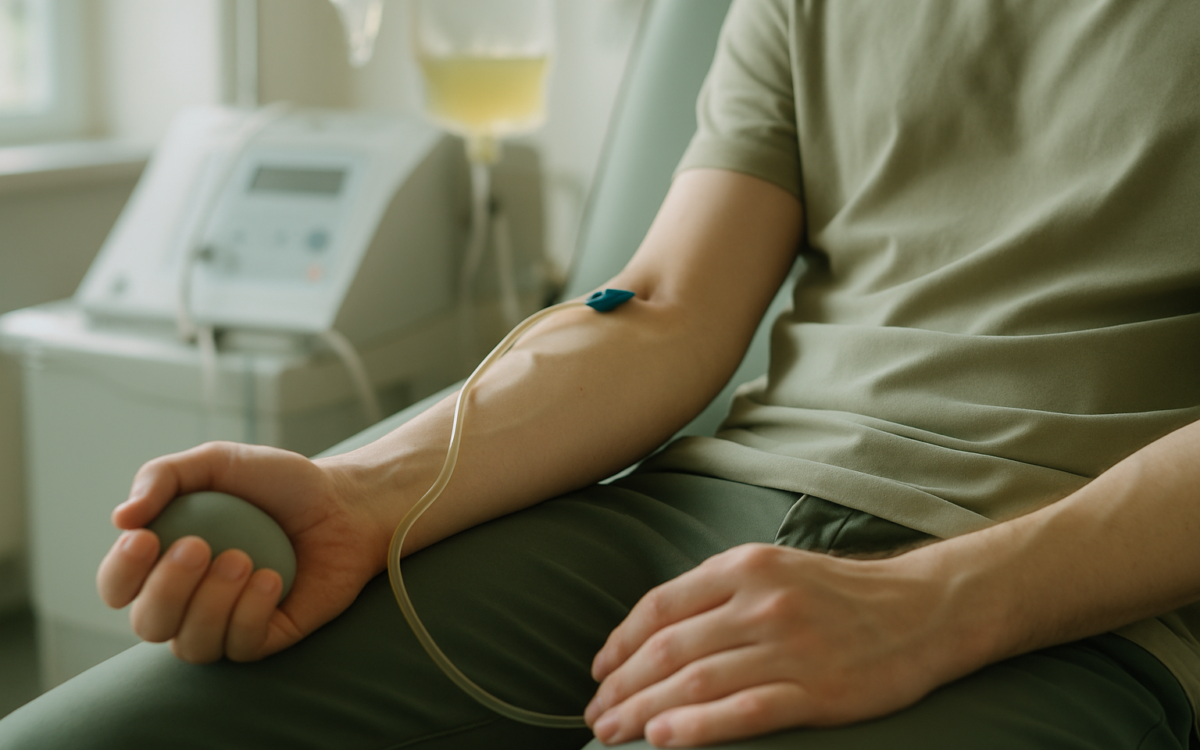
Donating blood plasma is a generous way to help those in need. Plasma, the liquid portion of blood, is crucial for various medical treatments, including those for patients with clotting disorders, burns, and autoimmune diseases. While the donation process is generally safe, it’s essential to be aware of potential side effects that may arise. This article dives into the possible side effects of donating plasma, ensuring you stay informed and healthy through your donation journey.
What is blood plasma?
Before we discuss the side effects, let’s understand what blood plasma is. Plasma makes up about 55% of our blood and contains water, salts, enzymes, antibodies, and proteins. It plays a vital role in maintaining blood pressure and volume, and it also helps with transporting nutrients and waste products. Donating plasma is similar to donating blood, but the process involves collecting only the plasma, with red blood cells and platelets returned to the donor’s body.
Common side effects of donating blood plasma
Despite being a routine procedure, donating plasma can lead to some common side effects. Understanding these can help you prepare and minimize any discomfort:
- Fatigue: One of the most reported side effects is fatigue. After donating plasma, some individuals may feel tired or lethargic. This is often due to the loss of blood volume, which can temporarily lower energy levels.
- Dizziness or lightheadedness: As your body adjusts to the loss of plasma, you might feel lightheaded or dizzy. Staying hydrated before and after your donation can help reduce this sensation.
- Bruising or soreness: Bruising at the needle site is common and usually resolves quickly. Some donors may also experience slight soreness in the arm where the needle was inserted.
- Nausea: A few donors report feelings of nausea after the donation. This may be due to stress or anxiety during the donation process. Taking deep breaths and staying calm may help alleviate these feelings.
Less common side effects
In addition to the common side effects, some individuals may experience less usual reactions. These are important to recognize:
- Low blood pressure: In rare cases, a significant drop in blood pressure can occur, especially if a donor does not consume enough fluids beforehand.
- Allergic reactions: Although uncommon, some people may have allergic reactions to the antiseptics used at the site or even to the donation process itself.
- Calcium deficiency: Since blood plasma contains proteins such as albumin, donating plasma may lead to temporary low levels of calcium in the body, especially in frequent donors.
Preparation before donating plasma
Proper preparation can help minimize the risk of side effects. Here are some tips to consider:
- Stay hydrated: Drink plenty of water before your donation. This helps maintain blood volume and can reduce feelings of dizziness or fatigue.
- Eat a healthy meal: Eating a balanced meal rich in protein and iron before your appointment can help keep your energy levels stable.
- Get enough rest: Ensure you get a good night’s sleep before your donation to help mitigate fatigue.
Recovery after donating plasma
After your donation, recovery is essential to ensure you feel your best:
- Rest: Take some time to relax post-donation. If you feel tired, it’s okay to take it easy for the rest of the day.
- Hydrate: Continue drinking fluids after donating. Consuming hydrating beverages can help replenish lost volume.
- Avoid strenuous activities: For the first day after donating, try to avoid heavy lifting or intense exercise routines. This allows your body time to recover.
When to see a doctor
While most side effects of plasma donation are mild and resolve on their own, some symptoms may warrant consulting a healthcare provider:
- Severe dizziness or fainting that doesn’t go away.
- Signs of infection at the needle site, such as increased redness, swelling, or discharge.
- Persistent nausea or vomiting that lasts more than a few hours after donation.
- Any other unusual or concerning symptoms that you can’t explain.
Conclusion
Donating blood plasma is a valuable act that can save lives, but being aware of potential side effects is necessary for a safe experience. By preparing adequately and understanding what to expect, you can manage side effects effectively. Remember, it’s always best to consult a healthcare professional if you have concerns or if you experience unusual symptoms after donating plasma. Together, we can ensure that donating remains a positive and impactful activity.
