
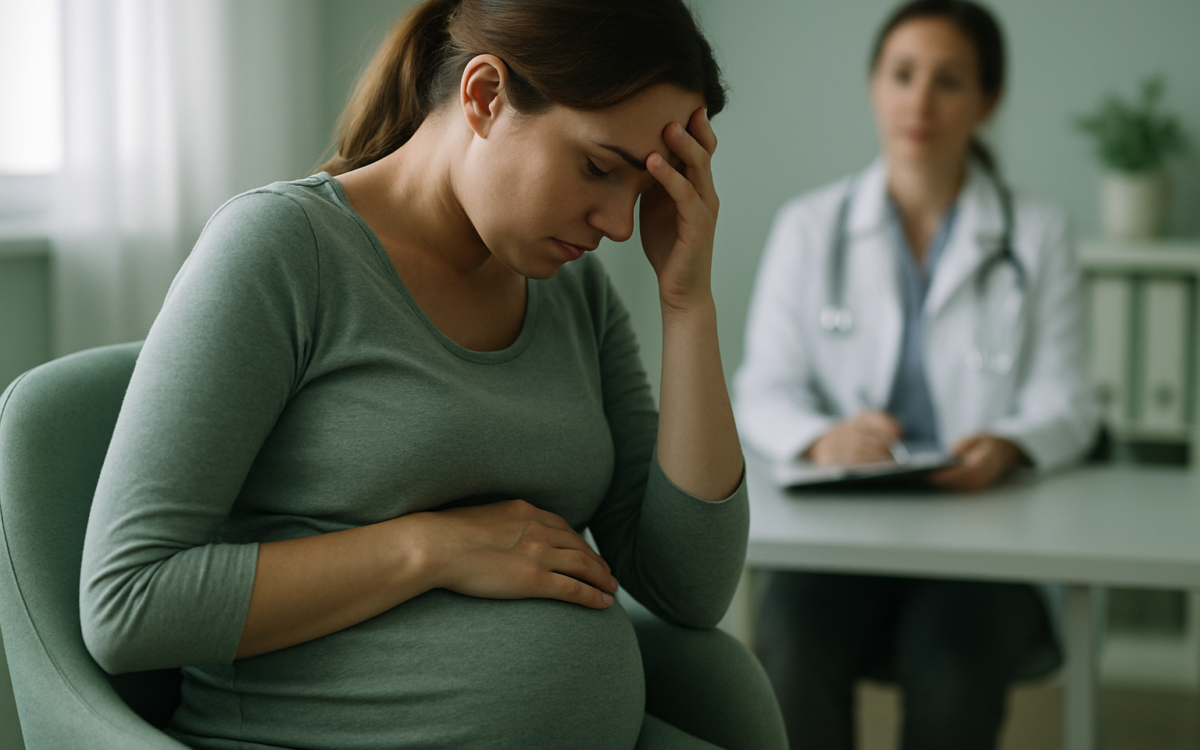
The journey of pregnancy can be a beautiful and transformative experience, but it can also be fraught with unexpected challenges. One such challenge is prenatal depression, a condition that affects many expecting mothers. Despite the joy that often accompanies pregnancy, some women may experience intense feelings of sadness, anxiety, or frustration during this time. Understanding prenatal depression is essential for recognizing its symptoms and seeking support.
What is Prenatal Depression?
Prenatal depression is a type of mood disorder that occurs during pregnancy. It can manifest as persistent sadness, anxiety, or changes in mood that interfere with daily life. This condition is not to be confused with the “baby blues,” which are common and typically resolve within two weeks postpartum. Instead, prenatal depression can have lasting effects on both the mother and the developing baby.
Symptoms of Prenatal Depression
Recognizing the signs of prenatal depression is the first step toward seeking help. Symptoms can vary greatly among individuals but may include:
- Feelings of sadness or hopelessness
- Anxiety or excessive worry
- Difficulty concentrating or making decisions
- Fatigue or lack of energy
- Changes in sleep patterns (insomnia or oversleeping)
- Changes in appetite or weight
- Loss of interest in activities once enjoyed
- Thoughts of self-harm or harming the baby
If you or someone you care about is experiencing these symptoms, it’s important to talk about it openly with a healthcare professional. Understanding that these feelings are common can help decrease feelings of isolation.
Causes and Risk Factors
Understanding the potential causes and risk factors for prenatal depression can help in recognizing who might be more susceptible. Some factors include:
- History of mental health disorders: Women who have experienced depression or anxiety in the past may be more likely to develop prenatal depression.
- Stressful life events: Major stressors, such as relationship challenges or financial difficulties, can contribute to feelings of depression.
- Lack of support: An unsupportive partner or family environment can increase the risk.
- Unplanned pregnancies: The stress of an unexpected pregnancy can lead to feelings of distress.
Recognizing these risk factors can be valuable in finding proactive support systems.
Impact on the Mother and Baby
Prenatal depression can impact both the mother’s well-being and the baby’s development. Mothers may face a higher risk of complications such as:
- Poor weight gain during pregnancy
- Higher likelihood of preterm birth
- Increased risk of postpartum depression
Research indicates that untreated prenatal depression can also affect the baby’s growth and development. Babies born to mothers experiencing depression may have a higher risk of low birth weight and may face challenges in emotional and behavioral development later on.
Finding Support and Treatment
There is hope and help for those experiencing prenatal depression. Here are some avenues toward finding support:
- Talk therapy: Therapy with a qualified mental health professional can help process feelings and develop coping strategies.
- Support groups: Connecting with other pregnant women facing similar challenges can provide a sense of community and understanding.
- Medication: In some cases, medication may be necessary and safe. Discussing this with a healthcare provider can help determine the best approach for each individual situation.
- Self-care: Engaging in regular exercise, ensuring good nutrition, and practicing relaxation techniques such as yoga or meditation can also be beneficial.
Every journey through pregnancy is unique, and what works for one person may not be right for another. It’s important to have open discussions with healthcare providers who can offer personalized advice and support.
When to See a Doctor
If you suspect you may be experiencing prenatal depression, it’s crucial to seek help. You should consider consulting a healthcare professional if:
- Your feelings of sadness or anxiety are overwhelming or persistent.
- You have thoughts of self-harm or harming your baby.
- Your symptoms interfere with daily activities or relationships.
Remember, seeking assistance is a sign of strength, and support is available.
Conclusion
Prenatal depression is a significant concern that deserves attention and understanding. Recognizing the symptoms, acknowledging the causes and risks, and knowing where to find support can make a positive difference in the lives of expecting mothers. The journey of pregnancy can be challenging, but with the right support and resources, mothers can navigate these emotional waters successfully. If you or someone you know is struggling, don’t hesitate to reach out for help.
