
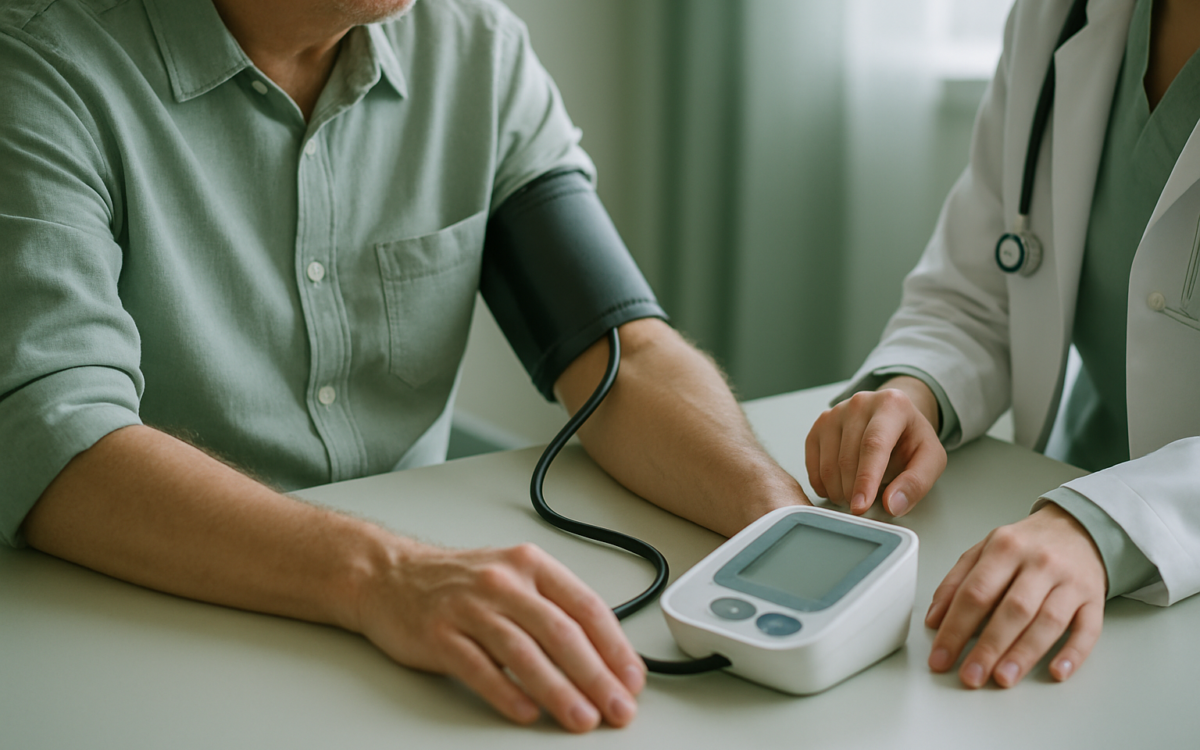
Primary hypertension, often called essential hypertension, is a condition that affects millions of people worldwide. Unlike secondary hypertension, which results from a specific underlying condition, primary hypertension usually develops gradually over many years and has no identifiable cause. This makes it a ‘silent killer,’ as many individuals may not even realize they have it until they experience serious health issues.
What Is Primary Hypertension?
Primary hypertension refers to high blood pressure that does not have a known or identifiable cause. Generally, blood pressure is measured in millimeters of mercury (mmHg) and is represented with two numbers: systolic (the top number, indicating pressure when the heart beats) and diastolic (the bottom number, indicating pressure when the heart rests between beats). A reading of 130/80 mmHg or higher is considered high blood pressure.
Causes and Risk Factors
While the precise cause of primary hypertension is still unclear, several factors may contribute to its development:
- Genetics: Family history can play a significant role. If your parents or siblings have high blood pressure, your risk increases.
- Age: As people grow older, blood vessels become stiffer, which can lead to higher blood pressure.
- Obesity: Excess weight puts additional strain on the heart and can lead to high blood pressure.
- Sedentary Lifestyle: Physical inactivity contributes to many health issues, including hypertension.
- Poor Diet: High salt intake, low potassium, and excessive alcohol consumption can affect blood pressure levels.
- Stress: Chronic stress may contribute to elevated blood pressure.
Symptoms of Primary Hypertension
One of the most troubling aspects of primary hypertension is that it often does not present noticeable symptoms. Many people have high blood pressure without ever realizing it. However, some may experience symptoms related to high blood pressure as levels increase, including:
- Headaches
- Dizziness
- Nosebleeds
- Fatigue
- Chest pain
If left untreated, primary hypertension can lead to serious health complications, including heart disease, stroke, kidney damage, and vision loss.
Diagnosis and Measurement
To diagnose primary hypertension, healthcare professionals typically measure blood pressure using a sphygmomanometer. It is important to have regular check-ups, especially if you have risk factors for high blood pressure. If your healthcare provider detects elevated readings, they may recommend additional tests to rule out secondary causes. These tests might include urine tests, blood tests, or a cardiovascular assessment.
Management and Treatment
While there is no cure for primary hypertension, it can often be managed effectively through lifestyle changes and, if necessary, medication. Here are some strategies to consider:
Lifestyle Changes
- Healthy Diet: Follow a balanced diet rich in fruits, vegetables, lean protein, and whole grains. The DASH (Dietary Approaches to Stop Hypertension) diet is specifically designed to help manage blood pressure.
- Regular Exercise: Even moderate physical activity, like walking, can help reduce blood pressure.
- Maintain a Healthy Weight: Losing even a small amount of weight if you’re overweight can have a significant impact on your blood pressure.
- Limit Alcohol and Tobacco: Reducing alcohol consumption and quitting smoking can improve heart health.
- Manage Stress: Techniques such as mindfulness, deep respiration, and yoga can help reduce stress levels.
If lifestyle changes are not enough to control blood pressure, your doctor may prescribe medications. Common types of blood pressure medications include diuretics, ACE inhibitors, and beta-blockers.
International Treatment Perspectives
When it comes to managing primary hypertension, treatment can vary significantly from one country to another. In some regions, innovative healthcare practices are being implemented to address cardiovascular health, including telemedicine and community intervention programs. Facilities like Acibadem International offer advanced treatments and technologies that can aid patients not just locally, but globally, providing a comprehensive approach to hypertension management.
Prevention Tips
Preventing primary hypertension often involves adopting healthy habits early on. Here are some prevention strategies:
- Get screened regularly, especially if you have risk factors.
- Monitor your blood pressure at home if advised by a healthcare provider.
- Stay informed about your family health history.
- Limit your sodium intake to no more than 2,300 mg per day, or less as recommended by your doctor.
When to See a Doctor
If you suspect you have high blood pressure or if your family has a history of hypertension, it’s important to consult your healthcare provider. Regular check-ups can help catch any issues early, ensuring you maintain your health and reduce the risk of complications that can arise from uncontrolled high blood pressure.
Be proactive about your health. Managing primary hypertension means staying informed, making necessary lifestyle changes, and working closely with your doctor to find the best approach for you.
Understanding primary hypertension is crucial in today’s world, where heart health is paramount. By being proactive, you can take control of your health and work toward a long, healthy life.
