
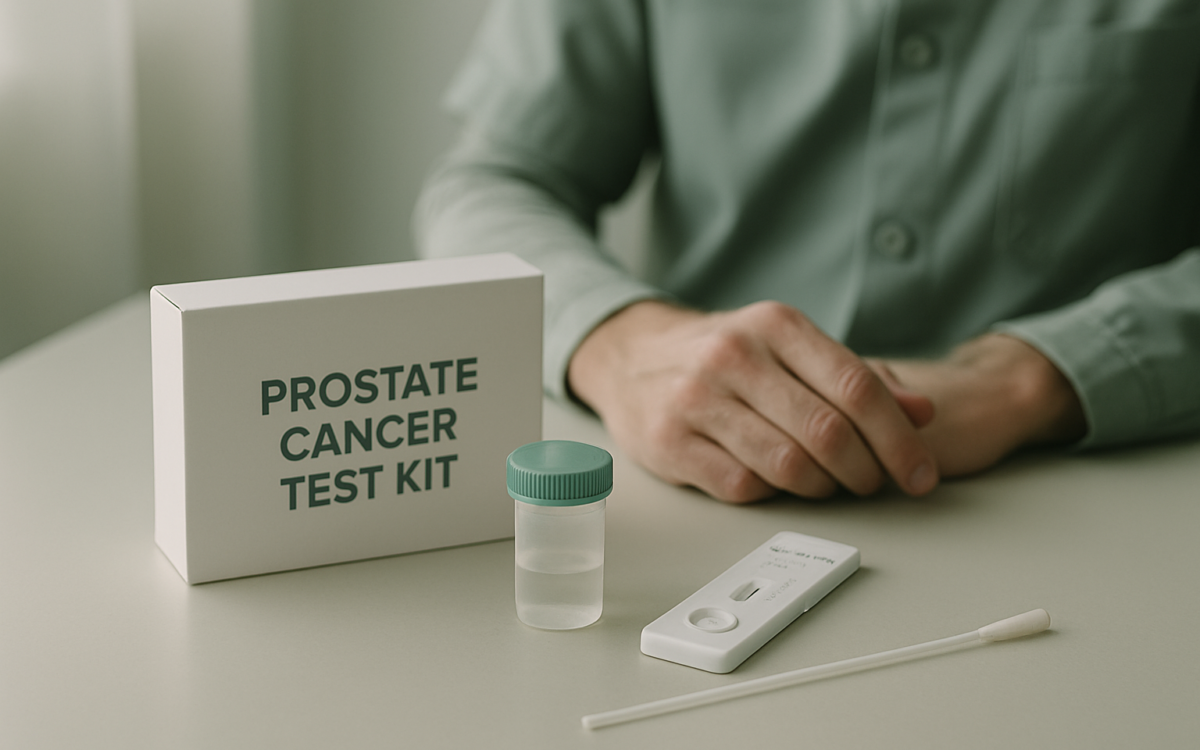
Prostate cancer is one of the most common cancers affecting men, and understanding your risk is crucial for early detection and effective treatment. While many people are familiar with traditional tests like the Prostate-Specific Antigen (PSA) test, new prostate cancer test kits are now on the market, providing a convenient way to assess your risk from home. These kits vary in design and purpose, but they all aim to empower men with knowledge about their health.
What are Prostate Cancer Test Kits?
Prostate cancer test kits typically allow individuals to assess their risk for developing prostate cancer without the need for a clinic visit. These kits can include a variety of tests, some of which may analyze urine or blood samples, while others might involve home sampling that is later analyzed in a lab.
Most commonly, these kits focus on measuring PSA levels, genetic markers, or additional biomarkers that may help indicate the possibility of prostate abnormalities. Recently developed test kits even look deeper into those genetic markers to better tailor risk assessments.
Types of Prostate Cancer Test Kits
There are several different types of prostate cancer test kits available. Here are a few common types:
- PSA Test Kits: These kits measure the level of PSA in your blood. Higher levels of PSA can indicate prostate cancer but are not definitive, as elevated PSA can also result from benign conditions.
- Urine Tests: Some kits analyze urine samples for specific markers that may signal prostate cancer. One example includes the SelectMDx test, which identifies genetic markers that can help determine the risk of aggressive prostate cancer.
- Genetic Testing Kits: These tests look for inherited genetic mutations that can increase your risk for prostate cancer. Some may analyze saliva or cheek swabs to gather your DNA.
Accuracy and Limitations
While these test kits can provide valuable information, it’s essential to understand their limitations. No test is 100% accurate, and false positives and negatives can occur.
For example, elevated PSA levels can be caused by non-cancerous conditions like prostatitis or an enlarged prostate. Moreover, the presence of genetic markers does not guarantee the development of prostate cancer. It may merely indicate a higher risk, which could lead to anxiety without the proper context from a medical professional. According to the Mayo Clinic, early detection is beneficial but should be combined with professional evaluations.
Why Use a Prostate Cancer Test Kit?
Prostate cancer test kits can be a useful tool for various reasons:
- Convenience: These kits typically allow you to collect samples at home, saving you time and possibly reducing anxiety associated with clinic visits.
- Empowerment: Many men appreciate being proactive about their health and having these kits can help them take charge of their prostate health.
- Early Detection: The sooner prostate cancer is caught, the more treatment options exist. Test kits can help identify individuals who may benefit from further evaluation by a healthcare provider.
What to Expect During the Testing Process
Using a prostate cancer test kit usually involves the following steps:
- Order the Kit: Most test kits can be ordered online or from a pharmacy.
- Collect a Sample: Follow the instructions carefully to collect your blood, urine, or saliva sample.
- Send It In: Mail your sample back to the specified laboratory as instructed.
- Receive Your Results: Results may be accessible online or sent directly to you, often with accompanying explanations or recommendations.
After receiving your results, it’s crucial to schedule a follow-up appointment with your healthcare provider to discuss the findings and any necessary next steps.
When to See a Doctor
If you notice any symptoms associated with prostate health, such as difficulty urinating, blood in urine, or persistent discomfort in the pelvic area, it’s essential to consult a healthcare professional regardless of any test kit results.
Also, if you’re considering using a prostate cancer test kit, discussing this with your doctor first is advisable to ensure it aligns well with your health needs and history. They can help interpret results and suggest further testing if required.
Conclusion
Prostate cancer test kits offer a novel and convenient way for men to assess their risk of prostate cancer from the comfort of their home. While these tests are helpful, they are not a substitute for professional medical advice or evaluations. Understanding your risk factors and having open discussions with your healthcare provider can lead to better health outcomes. Remember, early detection is key, and being proactive about your health is always empowering.
