
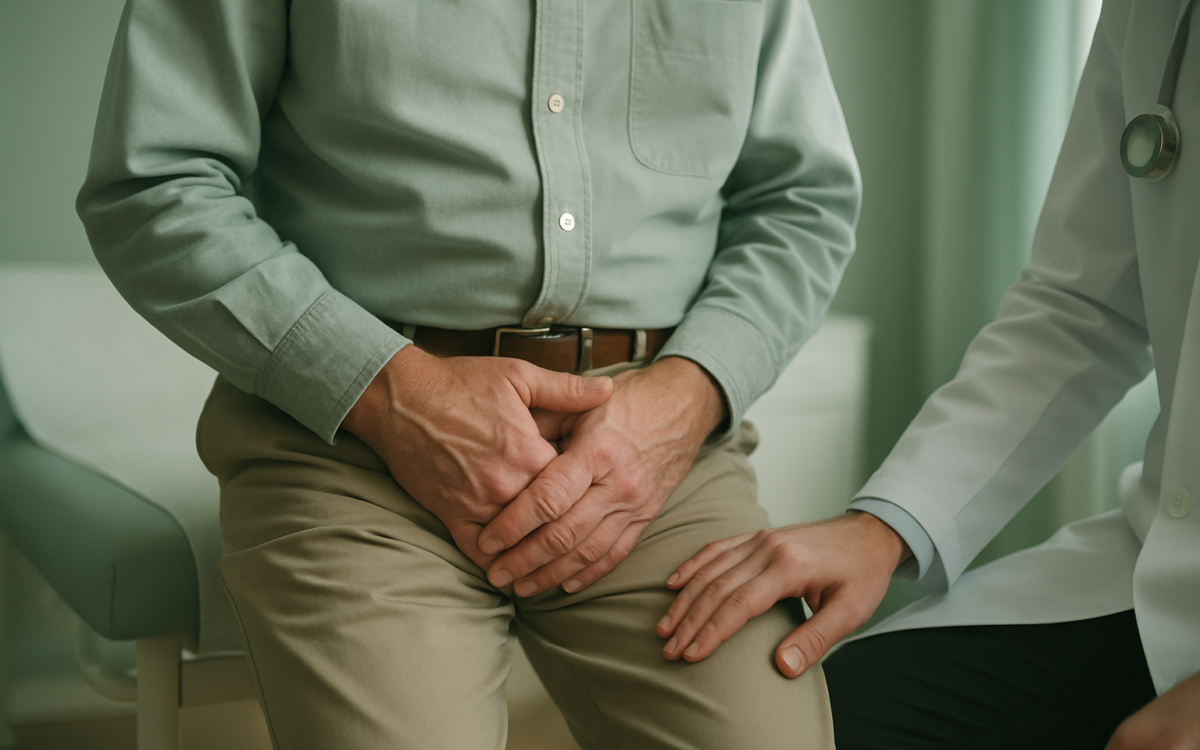
The prostate gland plays a crucial role in men’s reproductive health, but it can sometimes experience problems that lead to discomfort and concern. Understanding these issues is essential for promoting wellness and timely intervention. This article will explore the common problems associated with the prostate gland, their symptoms, potential treatment options, and when it’s important to seek medical advice.
What is the Prostate Gland?
The prostate gland is a small, walnut-sized organ located just below the bladder and in front of the rectum. It produces seminal fluid, which nourishes and transports sperm during ejaculation. As men age, the prostate can undergo changes that may cause various health issues.
Common Prostate Gland Issues
There are several common issues that men may face concerning their prostate gland. These can affect urinary function and overall well-being. Understanding these conditions can help men seek help early and make informed health decisions.
Benign Prostatic Hyperplasia (BPH)
BPH is a non-cancerous enlargement of the prostate that commonly occurs as men age. While it isn’t life-threatening, it can lead to bothersome urinary symptoms.
- Frequent urination, especially at night
- Difficulty starting urination
- Weak urine stream
- Incomplete bladder emptying
Though BPH isn’t cancerous, its symptoms can significantly affect a man’s quality of life. Treatment options may include lifestyle changes, medication, and sometimes surgery. For those considering treatment abroad, international patient services can offer valuable insights into available options.
Prostatitis
Prostatitis is the inflammation of the prostate gland and can be caused by bacterial infections or other factors. There are acute and chronic forms of prostatitis.
- Acute prostatitis: Sudden onset, often with severe symptoms such as fever and chills
- Chronic prostatitis: More frequent but less intense symptoms, lasting longer than three months
Symptoms typically include pelvic pain, painful urination, and discomfort during ejaculation. Treatment often requires antibiotics and anti-inflammatory medications.
Prostate Cancer
Prostate cancer is one of the most common cancers affecting men. Early-stage prostate cancer may not present any symptoms, making regular screenings vital, particularly for high-risk populations. Symptoms can develop as the disease progresses, including:
- Frequent urination
- Difficulty starting or stopping urination
- Painful urination or ejaculation
- Blood in urine or semen
Detecting prostate cancer early significantly increases treatment success rates. Screening methods include the prostate-specific antigen (PSA) blood test and digital rectal exam (DRE).
Factors Affecting Prostate Health
Several factors can impact prostate health, including:
- Age: The risk of prostate problems increases with age.
- Family History: A family history of prostate issues can increase a man’s risk.
- Diet: A diet high in red meat and dairy has been linked to prostate issues, while a diet rich in fruits and vegetables may offer protective benefits.
Maintaining a healthy lifestyle through regular exercise, a balanced diet, and routine health check-ups can reduce the risk of developing prostate problems.
When to See a Doctor
It’s essential to be aware of your body and recognize when something isn’t right. You should see a doctor if you experience any of the following:
- Persistent urinary symptoms such as pain, urgency, or difficulty urinating
- Blood in urine or semen
- Severe pelvic pain
- Repeated urinary tract infections
Regular check-ups and discussions about prostate health with your doctor can help identify issues early and keep you informed.
Conclusion
Prostate gland issues can significantly impact a man’s health and wellness, but early detection and appropriate management can make a difference. Understanding the common diseases associated with the prostate gland and recognizing the symptoms can empower men to seek medical advice when necessary. Regular check-ups and a healthy lifestyle play a vital role in maintaining prostate health, leading to a better quality of life.
