
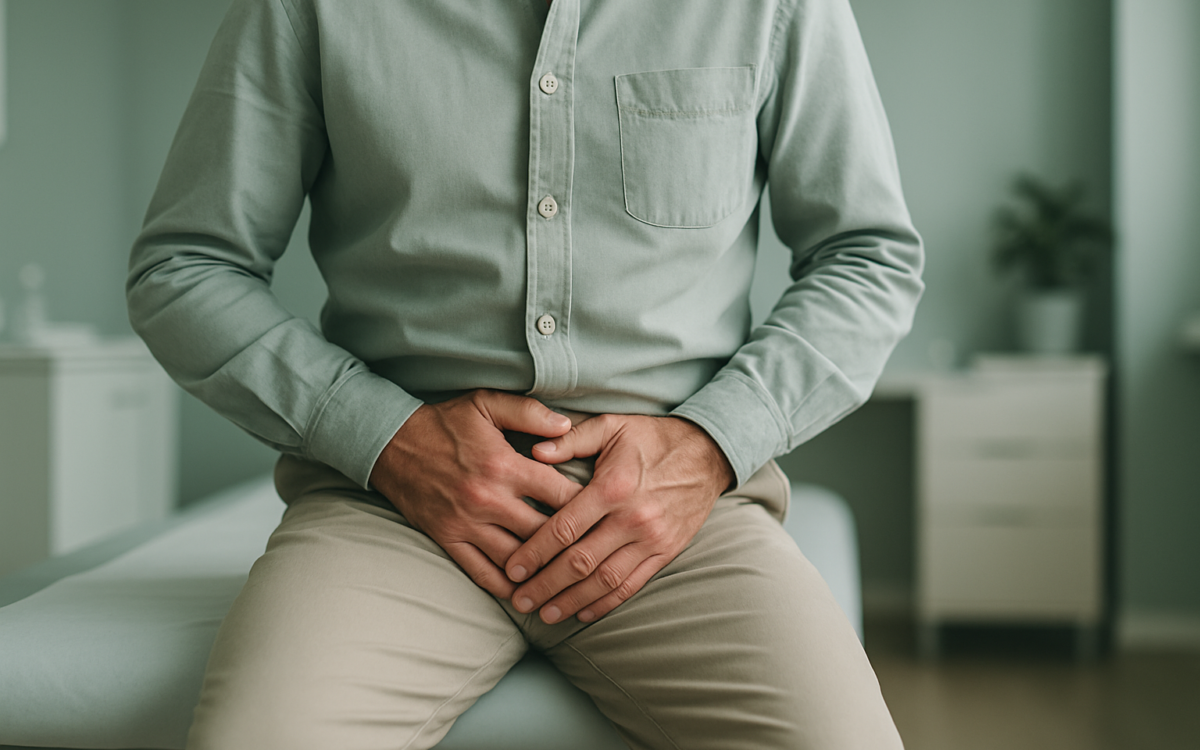
Prostate pain can be a distressing experience for many men. Often associated with conditions such as prostatitis or benign prostatic hyperplasia (BPH), this discomfort can interfere with daily life and well-being. Understanding what causes prostate pain, along with effective treatment options, is crucial for those experiencing these symptoms.
What is the Prostate?
The prostate is a small gland located below the bladder and in front of the rectum. It plays an essential role in the male reproductive system by producing seminal fluid, which nourishes and transports sperm. While many men go through life without any issues with their prostate, some may develop problems that lead to pain or discomfort.
Common Causes of Prostate Pain
Several conditions can lead to prostate pain. Understanding these can help you determine the right approach to treatment:
- Prostatitis: Inflammation of the prostate is one of the most common causes. It can be acute (sudden onset) or chronic (long-lasting). Bacterial infections often contribute to acute prostatitis, while chronic prostatitis can have various non-bacterial causes.
- Benign Prostatic Hyperplasia (BPH): As men age, the prostate can enlarge, leading to pressure on the bladder and urinary tract. This condition is typically non-cancerous but can cause discomfort and pain.
- Prostate Cancer: Although prostate cancer typically does not cause pain in the early stages, advanced cancer can lead to discomfort in the pelvic area. Early detection is vital for better outcomes.
- Pelvic Floor Dysfunction: Tension or dysfunction in the pelvic floor muscles can contribute to prostate pain and is often overlooked as a potential cause.
Symptoms Accompanying Prostate Pain
Besides the actual pain, other symptoms may occur based on the underlying cause:
- Pain during urination or ejaculation
- Frequent urination, especially at night
- Difficulty starting or stopping urination
- Pain in the lower back, perineum, or genitals
Diagnosing Prostate Pain
If you experience prostate pain, it’s essential to consult a healthcare provider. Diagnosis typically involves:
- Medical History and Symptoms: Your doctor will likely ask about your symptoms, medical history, and family history of prostate issues.
- Physical Examination: This may include a digital rectal exam (DRE) to assess the prostate’s size and feel for abnormalities.
- Laboratory Tests: Blood tests, including prostate-specific antigen (PSA) levels, urinalysis, or cultures, can help rule out infections or cancer.
Treatment Options for Prostate Pain
Treatment for prostate pain varies widely depending on the underlying cause. Here are some common approaches:
- Medications: Over-the-counter pain relievers, antibiotics for bacterial infections, or medications to relax the bladder may be prescribed.
- Physical Therapy: If pelvic floor dysfunction is a contributing factor, physical therapy may help relieve tension and discomfort.
- Lifestyle Changes: Incorporating a healthy diet, regular exercise, and stress management techniques can also play a pivotal role in treatment.
- Advanced Treatments: For chronic or recurrent conditions, treatments such as nerve blocks may be considered. Additionally, international treatment options available at acibademinternational.com offer advanced therapies that might not be widely available elsewhere.
Preventive Measures for Prostate Health
While not all prostate pain can be prevented, certain lifestyle choices may help maintain prostate health:
- Regular Health Check-ups: Routine screenings can catch issues early when they are most treatable.
- Healthy Diet: A diet rich in fruits, vegetables, healthy fats, and whole grains may support prostate health. Some studies suggest that a diet low in red meat and high in omega-3 fatty acids can be beneficial.
- Stay Active: Regular exercise is not only good for overall health but also helps maintain a healthy weight, reducing the chance of BPH and other prostate-related issues.
When to See a Doctor
If you experience persistent or severe prostate pain, especially if accompanied by fever, chills, or urinary difficulties, seek medical attention promptly. Early intervention can help prevent potential complications.
Prostate pain, while often treatable, can indicate more serious underlying conditions. Understanding the causes and taking preventive measures can contribute to better prostate health.
