
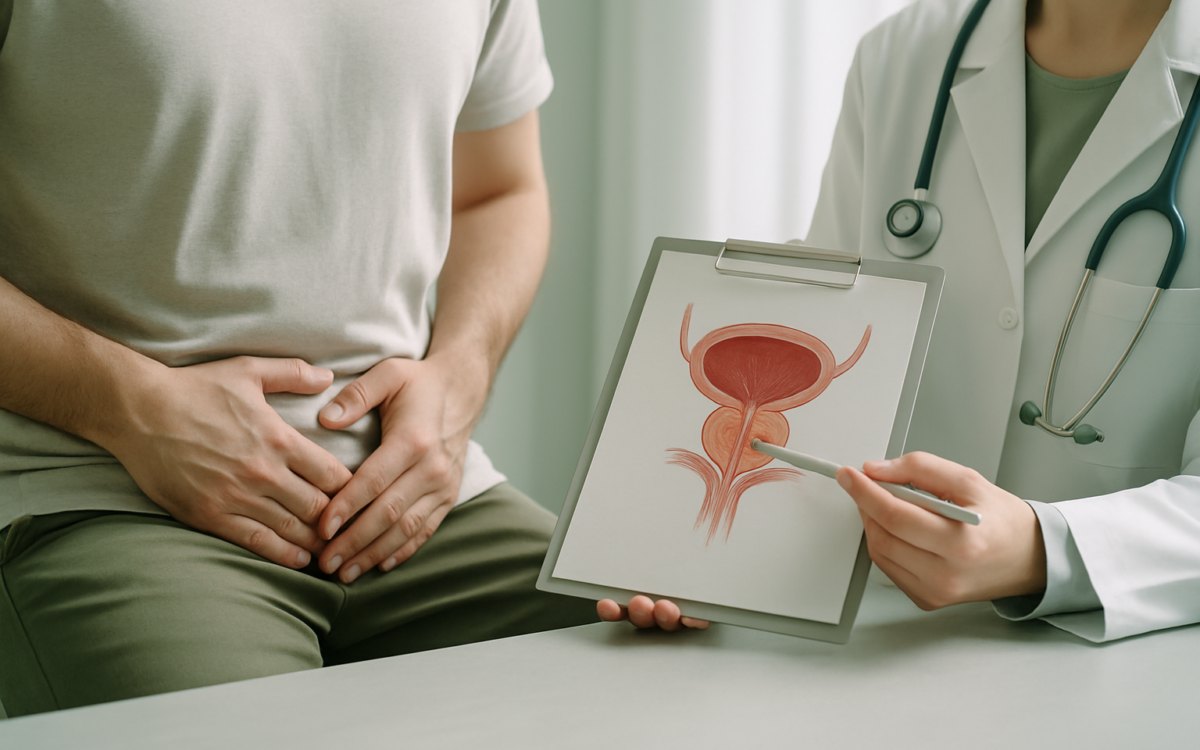
Prostatitis is a condition that affects many men, yet it remains a topic shrouded in mystery for many. Characterized by inflammation of the prostate gland, it can lead to uncomfortable symptoms and impact quality of life. Understanding what causes prostatitis can help shed light on this common issue and empower those affected to seek appropriate care.
What is Prostatitis?
Before diving into the causes, it’s essential to understand what prostatitis is. The prostate is a small gland located below the bladder and in front of the rectum. It produces seminal fluid, which nourishes and transports sperm. When inflammation occurs, it can cause a variety of symptoms that may include:
- Pain in the pelvic area
- Difficulty urinating
- Frequent urination, especially at night
- Painful ejaculation
Prostatitis can be divided into different types, each with distinct causes and symptoms. The most common types are acute bacterial prostatitis and chronic prostatitis/chronic pelvic pain syndrome (CP/CPPS).
Acute Bacterial Prostatitis
Acute bacterial prostatitis is a sudden bacterial infection of the prostate gland. This type can be severe and often requires immediate medical attention. Common causes include:
- Bacterial Infections: The condition is often caused by bacteria that enter the prostate through the urinary tract. This could occur during urinary catheters, sexual contact, or due to an existing urinary tract infection.
- Weakened Immune System: Individuals with a compromised immune system are more susceptible to infections, thus increasing the risk of developing acute bacterial prostatitis.
Chronic Prostatitis/Chronic Pelvic Pain Syndrome (CP/CPPS)
Chronic prostatitis is more challenging to diagnose, as its exact cause often remains unclear. There are a few theories regarding its development, including:
- Nerve Damage: Some men with CP/CPPS may have nerve damage affecting the pelvic area, causing pain independent of infection.
- Inflammatory Response: In some cases, an inflammatory response without a bacterial infection (non-bacterial prostatitis) may occur, which can lead to chronic pain.
- Pelvic Floor Dysfunction: Tension or dysfunction in the pelvic floor muscles can also contribute to symptoms of CP/CPPS.
Other Contributing Factors
Prostatitis can also be influenced by various lifestyle and health factors, such as:
- Age: Prostatitis is more common in men aged 30 to 50, though it can occur at any age.
- Pelvic Injuries: Trauma to the pelvic area can trigger prostatitis symptoms, potentially due to physical damage or inflammation.
- Sexual Activity: Certain sexual activities may also contribute to developing prostatitis, although more research is needed to clarify this relationship.
Diet and Lifestyle Considerations
While the exact lifestyle connections to prostatitis may not be fully understood, some dietary and behavioral factors could increase inflammation or irritation in the prostate. Consider the following:
- Caffeine and Alcohol: Both substances can irritate the bladder and prostate, potentially exacerbating prostatitis symptoms.
- Spicy Foods: Some men report that spicy foods can irritate their symptoms as well.
- Hydration: Keeping hydrated helps to dilute urine, which may alleviate discomfort when urinating.
Preventing Prostatitis
Although not all cases of prostatitis can be prevented, there are some steps men can take to reduce their risk:
- Practice Safer Sex: Using condoms can reduce the risk of sexually transmitted infections that may lead to prostatitis.
- Stay Hydrated: Drinking plenty of water can help flush bacteria and irritants from the urinary system.
- Limit Irritants: Reducing intake of alcohol, caffeine, and spicy foods may help mitigate symptoms for those who are prone to prostatitis.
When to See a Doctor
If you experience persistent symptoms such as pelvic pain, difficulty urinating, or painful ejaculation, it may be time to consult a healthcare professional. Early diagnosis and appropriate management can significantly improve outcomes. Acute bacterial prostatitis requires immediate medical evaluation due to its potentially serious nature.
Conclusion
Prostatitis is a complex condition with various causes, from bacterial infections to nerve issues and lifestyle factors. Understanding the different types and their potential origins is crucial for anyone experiencing symptoms. If you have concerns about prostatitis, don’t hesitate to reach out to a healthcare provider for guidance. Being proactive about your health can lead to better outcomes and improved quality of life.
