
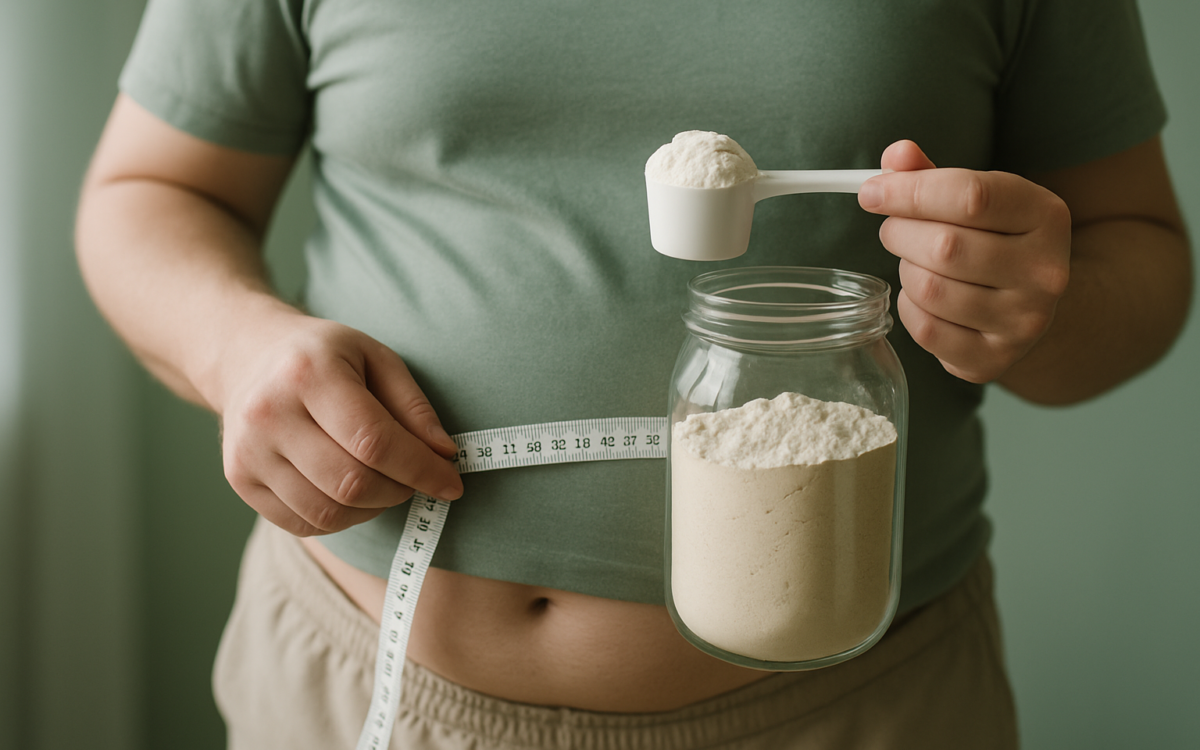
Many people concerned about their diet often wonder: can protein make you gain weight? While protein is essential for many bodily functions, its relationship with weight management can be complex. Understanding this dynamic can help you make better dietary choices.
What Is Protein?
Protein is one of the three main macronutrients, alongside carbohydrates and fats. It is made up of amino acids, which are the building blocks of muscles, tissues, and enzymes. The body uses protein to repair and build tissues, produce hormones, and support immune function. Foods high in protein include meat, fish, eggs, dairy products, legumes, and nuts.
How Does Protein Affect Weight?
The possibility of gaining weight from protein largely depends on several factors, including overall calorie intake, activity level, and the type of protein consumed. Here’s a closer look at these aspects:
1. Protein and Caloric Surplus
Weight gain occurs when you consume more calories than your body uses. Protein, like other macronutrients, provides calories—about four calories per gram. If you increase your protein intake without adjusting your overall diet or increasing physical activity, you could consume more calories than you need, leading to weight gain.
2. The Role of Muscle Mass
Protein plays a crucial role in building and repairing muscle tissue. When combined with regular strength training, an increase in protein intake can help build muscle mass. Muscle is metabolically active, meaning it burns more calories at rest compared to fat. Thus, having more muscle can help facilitate weight loss or maintenance. However, if the additional protein is consumed without exercising, it may lead to weight gain instead of muscle growth.
Protein Sources: Quality Over Quantity
Not all protein sources are created equal. The type of protein you consume can influence weight management:
- Animal Proteins: Sources like lean meat, chicken, fish, eggs, and low-fat dairy are high in protein and contain essential nutrients. However, processed meat can also be high in unhealthy fats, which can contribute to weight gain.
- Plant Proteins: Foods like beans, lentils, chickpeas, and quinoa are good sources of protein. They also provide fiber, which can promote fullness and help regulate body weight.
The Importance of Portion Control
Portion sizes can significantly impact your dietary protein intake. While it’s essential to consume enough protein for muscle health, excessive intake can lead to unintentional weight gain. Understanding recommended serving sizes can help:
- A typical serving of meat is about 3 to 4 ounces—approximately the size of a deck of cards.
- A serving of legumes is generally ½ cup cooked.
- For dairy, one cup is usually considered a serving of milk or yogurt.
Protein’s Role in Satiety
Interestingly, protein is known to increase feelings of fullness or satiety more than carbohydrates and fats. Consuming a diet rich in protein can help curb hunger, potentially leading to a natural reduction in calorie intake. This can be an effective strategy for weight management.
Regular Physical Activity Matters
Incorporating regular exercise into your routine is crucial for anyone looking to manage their weight effectively. Engaging in both aerobic (like running or cycling) and strength training exercises can help balance calorie intake and expenditure, allowing for healthier weight management with adequate protein intake.
When to See a Doctor
If you’re concerned about your weight, dietary choices, or if you have specific health conditions that may be affected by protein intake, consulting a healthcare professional is a wise decision. They can help tailor a nutrition plan suited to your individual needs. You may want to see a doctor or a registered dietitian if:
- You experience significant changes in weight without trying.
- You have specific dietary restrictions or health conditions.
- You need personalized nutrition advice.
Conclusion
In summary, while protein alone does not directly cause weight gain, it can contribute to weight changes depending on overall caloric intake and activity levels. It’s important to focus on a balanced diet, incorporating high-quality protein sources, and maintaining an active lifestyle. Understanding your body’s needs will empower you to harness the benefits of protein while managing your weight effectively. For further information, you can refer to resources from the NIH or the Mayo Clinic.
