
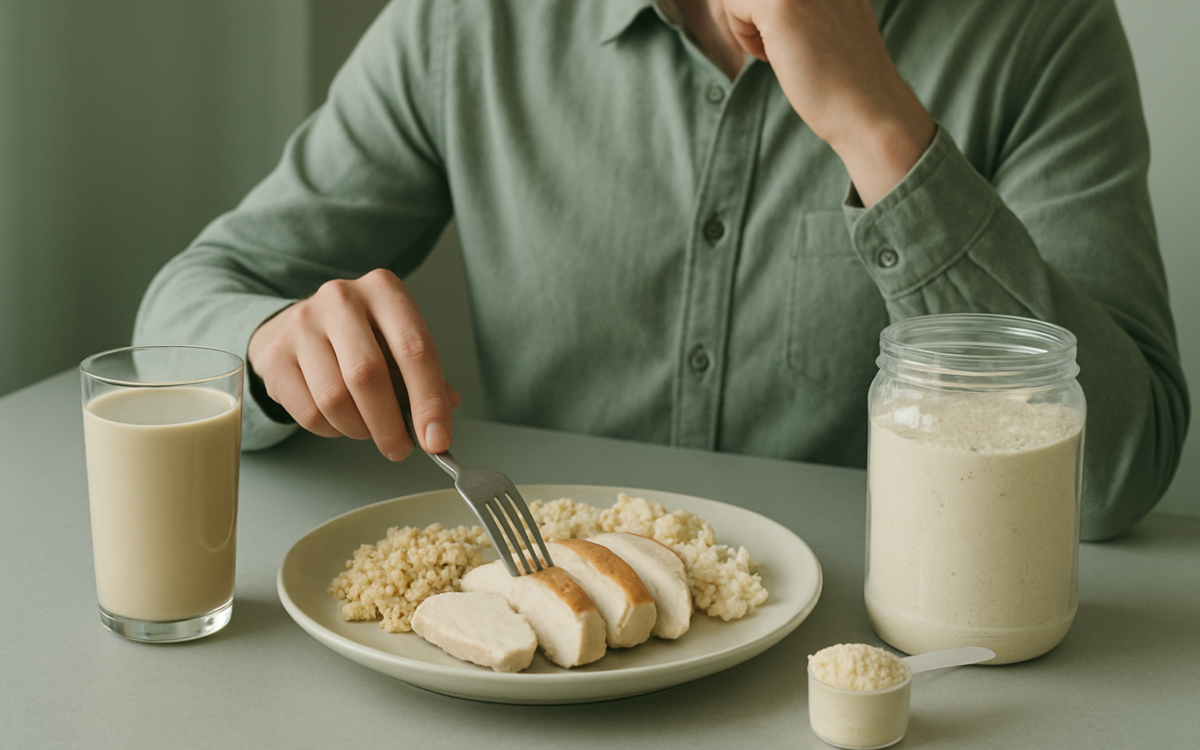
Protein is a vital nutrient essential for our health. It supports growth, repair, and the overall functioning of our bodies. While it’s commonly recognized that we need protein to thrive, you might wonder: can you consume too much protein? In this article, we’ll explore how much protein you really need, the potential effects of excessive intake, and tips for maintaining a balanced diet.
What is Protein and Why Do We Need It?
Protein is one of the three macronutrients, alongside carbohydrates and fats. It comprises amino acids, which are the building blocks of our bodies. We use protein to build and repair tissues, make enzymes and hormones, and support immune function.
The Recommended Dietary Allowance (RDA) for protein is around 0.8 grams per kilogram of body weight for most adults. For example, a person weighing 70 kg (about 154 pounds) would need approximately 56 grams of protein daily. However, athletes and active individuals may require more to support muscle recovery and growth.
How Much Is Too Much Protein?
Determining how much is too much can vary significantly based on individual factors like age, sex, activity level, and overall health. While some people thrive on high-protein diets—such as those often followed by bodybuilders and fitness enthusiasts—others may experience negative impacts from excessive protein consumption.
Research suggests that a protein intake above 2 grams per kilogram of body weight is generally considered excessive for most people. This level can lead to negative health consequences, especially if sustained over time.
Potential Health Risks of Excessive Protein Intake
While protein is vital, consuming it in excessive amounts can pose risks to your health, including:
- Kidney Damage: High protein intake may put extra strain on your kidneys, especially in individuals with pre-existing kidney conditions. This can worsen kidney function and lead to complications.
- Dehydration: Protein metabolism produces nitrogen waste that needs to be excreted in urine. Higher protein diets can lead to dehydration if fluid intake is not sufficiently increased.
- Digestive Issues: Consuming too much protein, particularly from animal sources, may result in insufficient fiber intake, leading to constipation and other digestive problems.
- Nutrient Imbalances: Focusing heavily on protein at the expense of other food groups can create imbalances in your diet, potentially missing out on essential vitamins and minerals.
How to Balance Protein in Your Diet
To ensure you’re getting the right amount of protein, aim for a balanced diet that includes:
- Variety: Include a range of protein sources in your diet, including lean meats, fish, eggs, dairy, legumes, nuts, and seeds. This not only helps with protein balance but also provides other essential nutrients.
- Proper Portions: Consider portion sizes when including protein-rich foods. A serving of meat, poultry, or fish should be about the size of your palm. Incorporate plant-based proteins like beans and lentils, which can be lower in calories and saturated fats.
- Focus on Overall Diet: While protein is important, ensure that you’re also consuming carbohydrates and healthy fats to round out your diet. Whole grains, fruits, and vegetables are excellent additions.
The Role of Individual Needs
Every individual has unique nutritional needs. Factors such as metabolic rate, activity level, and specific health goals affect how much protein is suitable for you. It’s crucial to listen to your body and adjust your intake accordingly.
If you’re engaging in intense exercise or strength training, you might benefit from slightly increasing your protein intake to support recovery and muscle growth. However, it’s still vital to stay aware of how much you’re consuming and maintain balance.
When to See a Doctor
If you have concerns about your protein intake or experience symptoms like persistent kidney pain, digestive disturbances, or unintentional weight changes after increasing your protein consumption, it’s wise to consult a healthcare professional. They can provide personalized recommendations based on your health history and dietary needs.
Final Thoughts
Protein is a crucial part of a healthy diet, but moderation is key. While it’s vital for bodily functions, too much protein can lead to health risks and imbalances. Focus on creating a balanced diet that meets your individual nutritional needs, and don’t hesitate to consult with a healthcare provider if you have any questions about your protein intake.
