
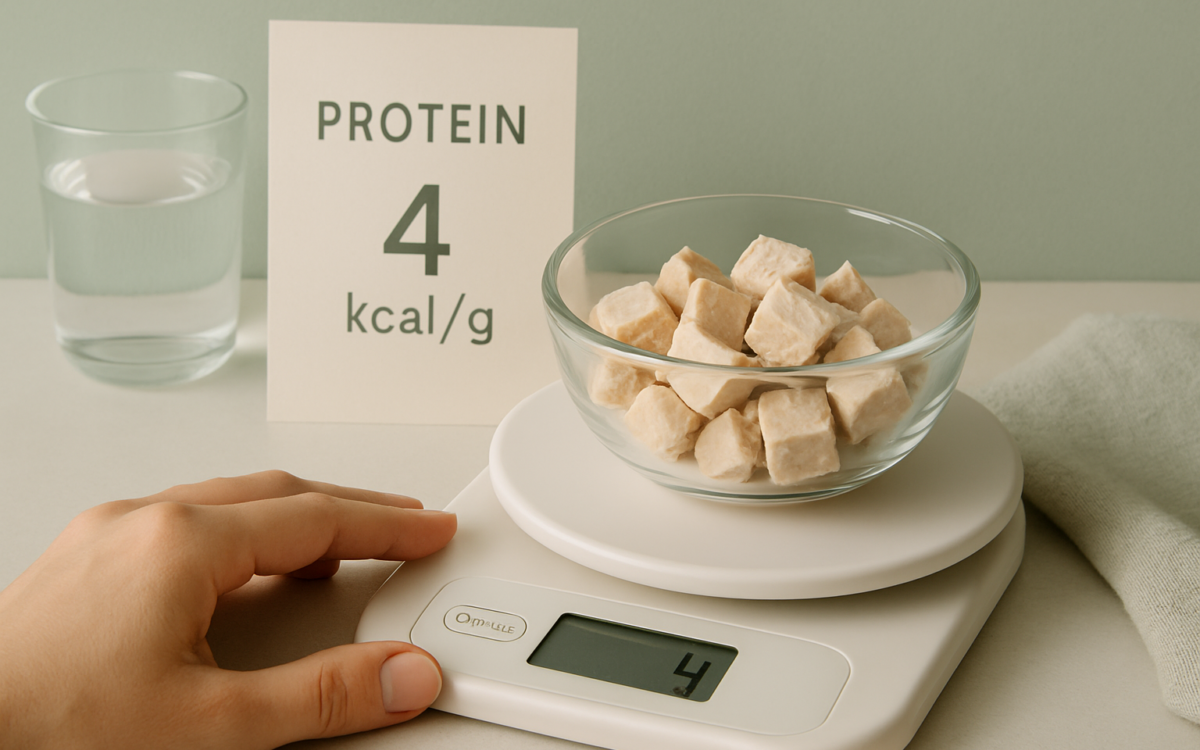
When it comes to nutrition, protein is often celebrated as a vital macronutrient. Whether you’re a fitness enthusiast, a beginner trying to eat healthier, or just curious about your food, understanding how protein fits into your diet is crucial. One common question that arises is, “How many calories are in a gram of protein?” Let’s explore this question in detail and uncover the broader implications of protein in our diets.
Caloric Content of Protein
To understand the caloric content, it’s essential to know the basic facts. Each gram of protein contains approximately 4 calories. This caloric count is consistent with other macronutrients, where carbohydrates also provide about 4 calories per gram. In contrast, fats are denser in energy, offering about 9 calories per gram.
The Role of Protein in Your Diet
Protein plays a multitude of roles in the body. It helps repair tissues, builds muscles, and is crucial for the production of hormones and enzymes. Here are some key points to consider:
- Muscle Building: Protein is crucial for muscle growth and repair. Consuming adequate protein can help support muscle recovery after exercise.
- Satiation: High-protein meals can help you feel fuller longer, which may assist in weight management by reducing the urge to snack.
- Nutritional Variety: Incorporating protein sources like lean meats, dairy products, legumes, and nuts adds variety and nutritional value to your meals.
Protein Sources and Their Calories
Different sources of protein come with varying combinations of calories, fats, and other nutrients. Here are some common protein sources and their typical caloric content:
- Chicken Breast: Approximately 31 grams of protein and around 165 calories per 100 grams.
- Eggs: About 6 grams of protein and roughly 68 calories per large egg.
- Tofu: Contains around 8 grams of protein and 76 calories per 100 grams.
- Greek Yogurt: Offers about 10 grams of protein with around 100 calories per 100 grams.
By looking at these sources, it becomes clear that not all protein is created equal when it comes to caloric content and other nutrients. It’s wise to consider the overall value of the food you’re eating.
Protein and Weight Management
Many people are interested in how protein affects weight management. As mentioned, protein can help you feel fuller, which is beneficial if you are looking to reduce your caloric intake. Additionally, protein has a higher thermic effect, meaning your body burns more calories digesting protein compared to fats or carbohydrates. However, the overall balance of your diet is essential for weight loss or gain.
Calculating Your Protein Needs
Your protein needs vary based on your age, sex, physical activity level, and health goals. The Dietary Guidelines suggest that most adults should aim for about 46 grams (women) to 56 grams (men) of protein per day. For athletes or those looking to build muscle, this number may be higher. The National Heart, Lung, and Blood Institute emphasizes tailoring your protein intake to fit your personal health goals.
Potential Risks of Excessive Protein Intake
While protein is essential for health, it’s important to consume it in appropriate amounts. Taking in too much protein can lead to adverse effects:
- Kidney Strain: Excessive protein intake can place strain on the kidneys, especially in individuals with preexisting kidney conditions.
- Nutrient Imbalance: Focusing too much on protein may lead to an imbalanced diet lacking in other essential nutrients like fiber, vitamins, and minerals found in fruits and vegetables.
Maintaining a balanced intake of all nutrients is crucial for overall health.
When to See a Doctor
If you have specific health concerns about your protein intake—especially if you have kidney issues, dietary restrictions, or if you’re considering a dramatic change in your diet—it’s a good idea to consult with a healthcare professional. They can provide personalized dietary recommendations based on your individual health needs and goals.
Conclusion
Balancing your caloric intake from protein is just one piece of the larger puzzle of nutrition. Understanding that there are about 4 calories per gram of protein can help you make informed choices. Protein is essential for various bodily functions and can play a significant role in how you feel day-to-day. By incorporating diverse protein sources into your meals, you can enjoy the many benefits while keeping your overall diet balanced.
