
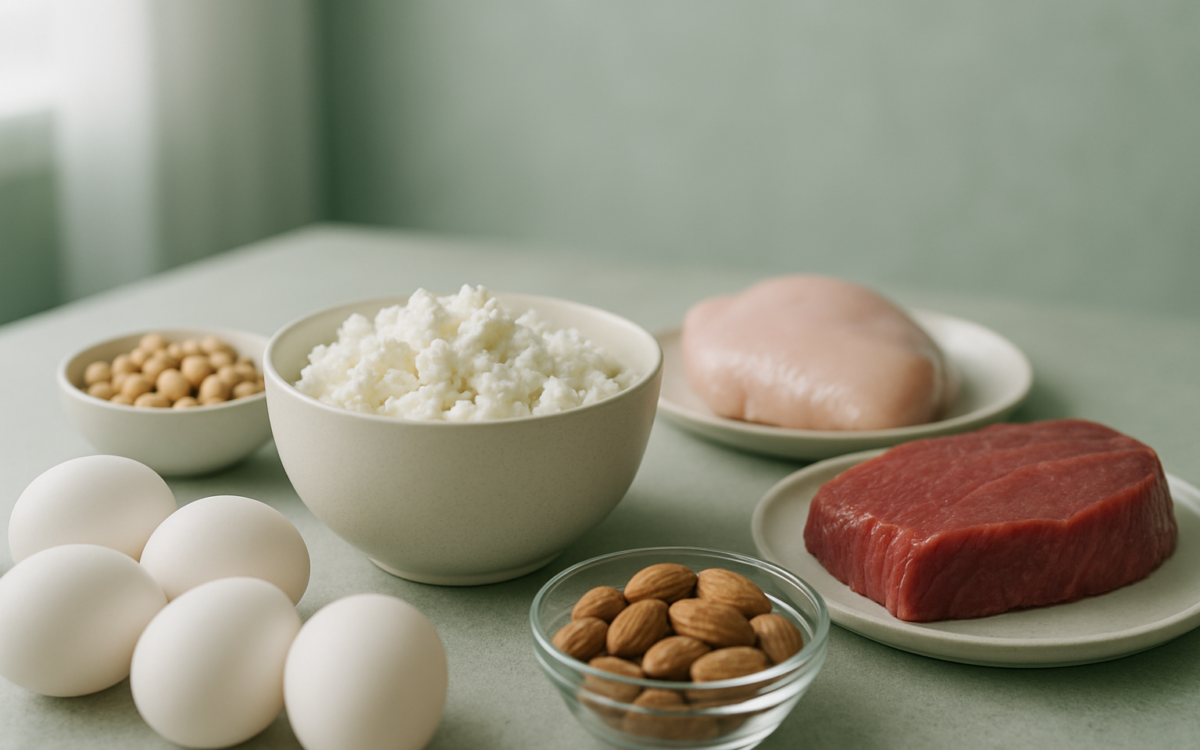
Protein is often hailed as one of the essential building blocks of life. It plays a crucial role in nearly every bodily function, from building and repairing tissues to producing enzymes and hormones. But how many grams of protein should you aim to consume each day? Understanding your individual protein needs can help you optimize your diet and improve your overall health.
What is Protein and Why is it Important?
Proteins are large, complex molecules made up of smaller units called amino acids. They are found throughout the body in muscle, bone, skin, and hair. There are 20 different amino acids, nine of which are essential, meaning your body cannot produce them and you must get them from your diet.
Protein is vital for:
- Muscle growth and repair: After exercise, your muscle fibers sustain tiny tears that require protein for recovery and growth.
- Immune function: Antibodies are proteins that help your body fight off infections.
- Hormonal balance: Many hormones are proteins, influencing various bodily functions including metabolism and mood.
- Enzyme production: Enzymes, which speed up chemical reactions in the body, are primarily composed of protein.
Daily Protein Intake Recommendations
The recommended dietary allowance (RDA) for protein varies based on factors such as age, sex, and level of physical activity.
Generally, most adults should aim for:
- About 46 grams per day for women
- About 56 grams per day for men
- About 1.2 to 2.0 grams per kilogram of body weight for athletes, depending on their training intensity
These figures, however, can vary widely based on individual circumstances and dietary needs.
Factors Affecting Protein Needs
Understanding your protein requirements means considering several factors:
1. Age
As you grow older, your protein needs may change. Older adults may require more protein to maintain muscle mass and strength. Research from the NIH indicates that protein intake might help mitigate the natural decline of muscle mass associated with aging.
2. Activity Level
Active individuals, especially those involved in strength training or endurance sports, typically need more protein to support muscle repair and growth. According to the Mayo Clinic, protein is also essential for repairing the body’s tissues after workouts.
3. Health Status
Conditions like pregnancy, lactation, injuries, or chronic illnesses can increase protein needs. Consulting a healthcare provider can help clarify needs in these situations.
4. Dietary Preferences
Your source of protein can also affect how much you should consume. For instance, vegetarians and vegans may need to diversify their protein sources to ensure they get all essential amino acids. Plant-based protein sources often have lower overall protein content than animal-based sources.
How to Calculate Your Protein Needs
To find out how many grams of protein you need daily, you can use a simple formula based on your weight:
- Determine your weight in kilograms (1 kilogram = 2.2 pounds).
- Multiply your weight by the appropriate protein requirement based on your activity level:
- For sedentary adults: 0.8 grams per kilogram
- For active adults: 1.0-1.2 grams per kilogram
- For athletes: 1.2-2.0 grams per kilogram, depending on their sport
For example, if you weigh 70 kg and are moderately active, you might aim for around 56-84 grams of protein a day.
Best Protein Sources
Knowing how many grams of protein you need is one thing; knowing where to find it is another. Here are some excellent sources of protein:
Animal-Based Sources
- Meat (chicken, beef, pork)
- Fish (salmon, tuna)
- Dairy (yogurt, cheese, milk)
- Eggs
Plant-Based Sources
- Legumes (beans, lentils, chickpeas)
- Nuts and seeds (almonds, chia seeds, peanuts)
- Whole grains (quinoa, brown rice)
- Tofu and tempeh
Combining various protein sources can help ensure you meet your amino acid requirements while keeping your diet diverse and enjoyable.
When to See a Doctor
If you have concerns about your protein intake or dietary needs, it’s vital to consult with a healthcare provider or a registered dietitian. They can help assess your current dietary habits and health status, appropriately guiding you on any necessary dietary adjustments.
Conclusion
Understanding how many grams of protein you need is crucial for supporting your health. By considering factors like age, activity level, and dietary preferences, you can calculate an appropriate protein intake. Regardless of your protein sources, aim for a balanced diet that supports your overall well-being. Always feel free to consult a healthcare professional for tailored advice on your dietary needs.
