
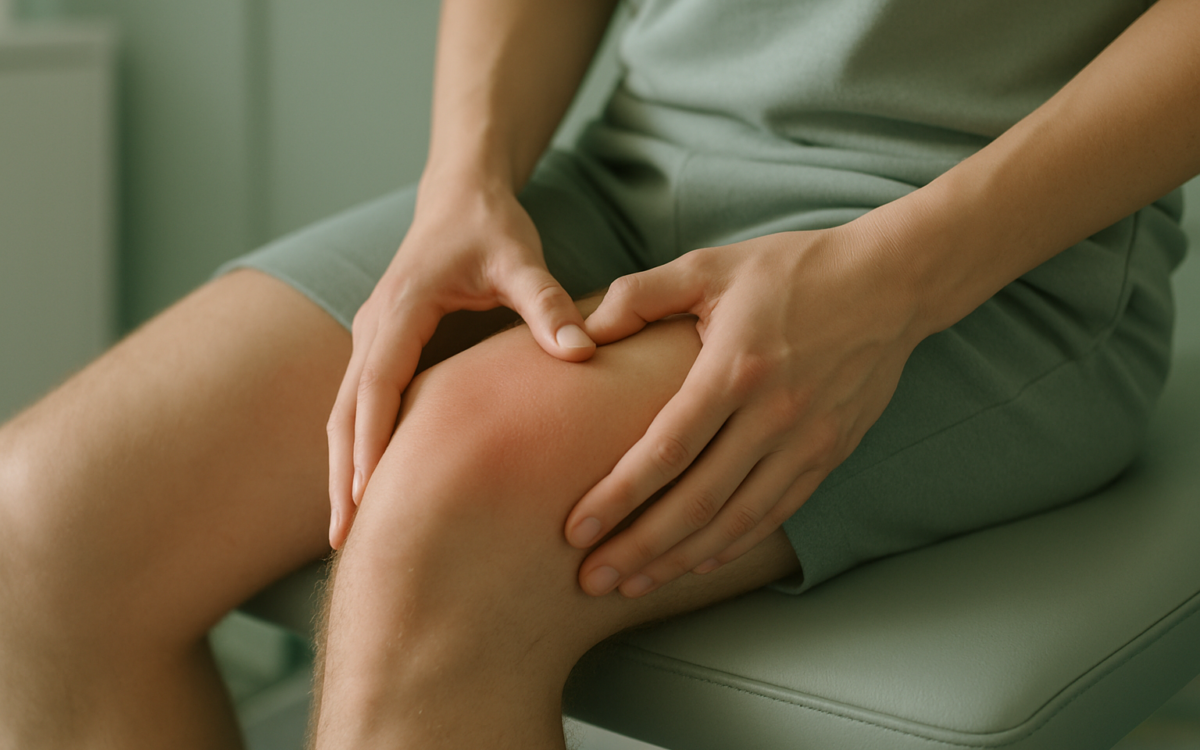
Have you ever felt a nagging pain in your knee that just won’t go away? This could be a sign of quadriceps tendonitis, an ailment often affecting athletes and active individuals. Understanding this condition can help you manage symptoms and get back to doing what you love.
What is Quadriceps Tendonitis?
Quadriceps tendonitis is an inflammation of the quadriceps tendon, which connects the thigh muscles to the kneecap (patella). This tendon plays a crucial role in knee stability and movement, especially during activities like running, jumping, or climbing stairs. When the tendon becomes inflamed, it can lead to pain and discomfort, keeping you from enjoying physical activities.
Causes of Quadriceps Tendonitis
Quadriceps tendonitis is often linked to activities that put repeated stress on the knee joint. Here are some of the most common causes:
- Overuse: Engaging in repetitive movements, such as running or jumping, can irritate the tendon over time.
- Sudden Increase in Activity: Jumping into a more intense training regimen without proper conditioning can strain the tendon.
- Aging: As we age, tendons naturally lose flexibility and strength, making them more susceptible to injury.
- Poor Technique: Improper form in sports or exercises can put additional strain on the quadriceps tendon.
Symptoms to Watch For
If you’re wondering whether you might have quadriceps tendonitis, pay attention to the following symptoms:
- Knee Pain: Usually felt just above the kneecap, this pain may worsen during activities or after exercise.
- Swelling: The area around the tendon may appear swollen or feel warmer than usual.
- Stiffness: Many people experience stiffness in the knee, especially after periods of inactivity.
- Reduced Range of Motion: Difficulty bending or straightening the knee can occur as pain intensifies.
Diagnosis of Quadriceps Tendonitis
If you suspect you have quadriceps tendonitis, the first step is to consult a healthcare professional. They will typically conduct a physical examination and may ask about your symptoms and activity levels. To rule out other conditions, they might recommend imaging tests such as:
- X-rays: Useful in identifying bone issues or injuries.
- Ultrasound: Helps visualize soft tissue structures, including the quadriceps tendon.
- MRI: Provides detailed images of both the tendon and surrounding tissues.
Treatment and Management Strategies
While quadriceps tendonitis can be frustrating, several management strategies can promote healing. Here are some to consider:
1. Rest and Activity Modification
One of the most effective ways to manage quadriceps tendonitis is to reduce activities that aggravate it. Consider taking breaks from high-impact activities and substituting them with low-impact exercises, like swimming or cycling, to maintain your fitness while allowing your tendon to heal.
2. Ice Therapy
Applying ice to the affected area can help reduce swelling and pain. Aim for 15-20 minutes of icing several times a day, especially after activities that exacerbate your symptoms.
3. Physical Therapy
A physical therapist can design a personalized rehabilitation program to strengthen the quadriceps and improve flexibility. This typically includes exercises that not only focus on the quadriceps but also on the muscles surrounding the knee for better support.
4. Non-Steroidal Anti-Inflammatory Drugs (NSAIDs)
Over-the-counter medications like ibuprofen or naproxen can help alleviate pain and reduce inflammation. Always consult your healthcare provider before introducing any medications into your routine.
Prevention Tips
Preventing quadriceps tendonitis involves being mindful of your activities and ensuring your body is conditioned for performance. Here are a few strategies to consider:
- Warm Up Properly: Engage in a good warm-up routine before any physical activity to prepare your muscles and tendons.
- Strength Training: Incorporate strength training into your routine to enhance muscle support around the knee.
- Flexibility Exercises: Regularly stretch your quadriceps and hamstrings to maintain flexibility.
- Listen to Your Body: Don’t ignore pain. It’s your body’s way of signaling that something needs attention.
When to See a Doctor
If your knee pain persists despite rest and home treatment, it’s crucial to seek medical advice. You should also consult a healthcare provider if:
- The pain becomes severe or you have difficulty walking.
- You notice significant swelling or warmth around the knee.
- You cannot fully straighten or bend your knee.
Conclusion
Quadriceps tendonitis can be a challenging condition, especially for those who enjoy an active lifestyle. By recognizing the symptoms, understanding the causes, and following appropriate management strategies, you can steer toward recovery. Remember, however, to prioritize your health and consult with a healthcare professional when needed. For more information, visit trusted resources like the NIH or Mayo Clinic.
