
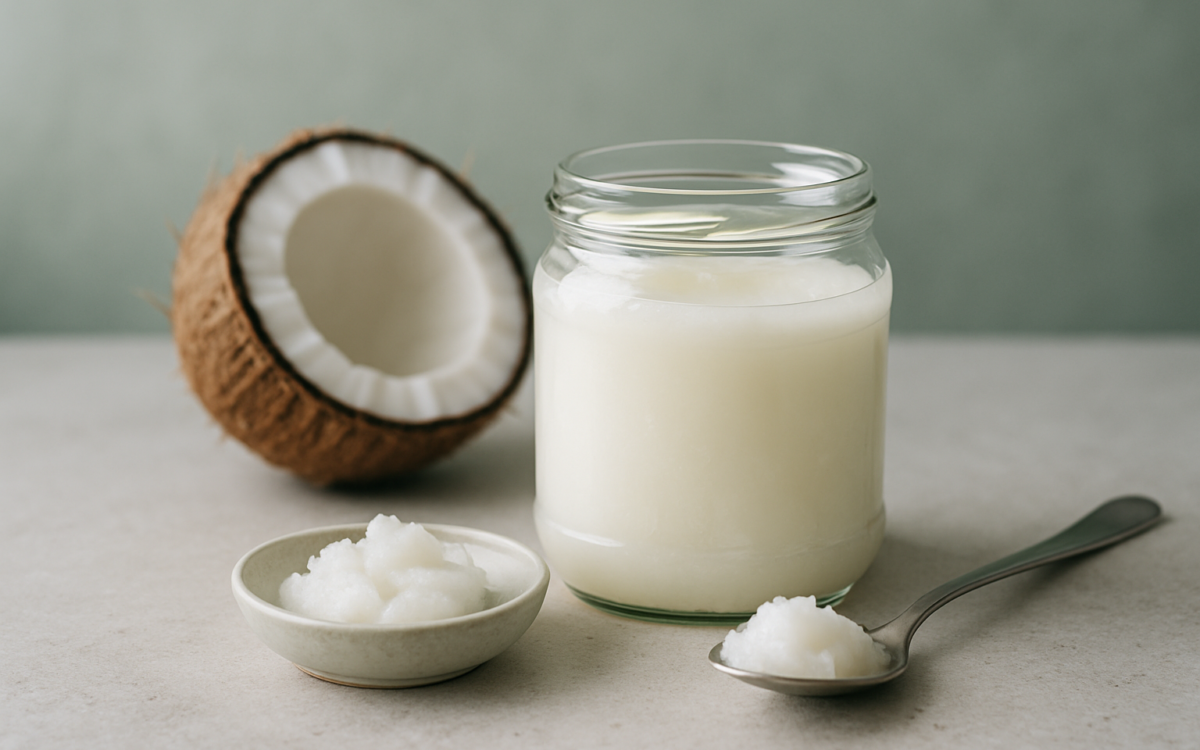
Coconut oil has made a significant splash in the health and wellness community over the years. While many people are familiar with the unrefined version, which has a rich coconut flavor, refined coconut oil often flies under the radar. Understanding the characteristics, uses, and potential benefits of refined coconut oil can help you make informed choices about incorporating it into your diet and lifestyle.
What is refined coconut oil?
Refined coconut oil is produced from dried coconut meat, also known as copra. The oil is extracted from the copra and then refined, bleach, and deodorized to remove impurities and the strong coconut flavor. This process can make it more suitable for various recipes, especially when you desire a neutral taste and high smoke point.
How is refined coconut oil different from unrefined coconut oil?
Both refined and unrefined coconut oil come from the coconut fruit, but they undergo different processing methods. Here are the key differences:
- Flavor and Aroma: Unrefined coconut oil has a distinct coconut taste and aroma, while refined coconut oil is neutral in taste.
- Smoke Point: Refined coconut oil has a higher smoke point (around 450°F or 232°C) compared to unrefined coconut oil (about 350°F or 177°C). This makes refined coconut oil easier to use for high-heat cooking methods.
- Nutrient Content: Unrefined coconut oil retains more nutrients and antioxidants during processing, while some beneficial compounds may be lost during refining.
Potential health benefits of refined coconut oil
Despite the differences in processing, refined coconut oil still offers some health benefits. However, it’s essential to consume it in moderation.
1. Source of medium-chain triglycerides (MCTs)
Refined coconut oil contains MCTs, which are a type of saturated fat that the body can quickly use for energy. MCTs may also support weight loss by promoting a feeling of fullness and increasing metabolic rate. However, further research is needed to better understand these effects (NIH).
2. Supports heart health
The relationship between coconut oil and heart health is still under investigation. Some studies suggest that the MCTs in coconut oil can help improve cholesterol levels by raising HDL (good cholesterol) while potentially affecting LDL (bad cholesterol) levels. This dual effect may improve heart health, but it’s essential to treat this finding with caution and discuss it with your doctor.
3. Antimicrobial properties
Coconut oil contains lauric acid, which has been shown to have antimicrobial properties. This can help the body fight off various pathogens, including bacteria and viruses. While refined coconut oil still contains some lauric acid, unrefined versions have higher concentrations.
Uses of refined coconut oil in cooking
Refined coconut oil is a versatile cooking oil that can complement various dishes. Here are some common uses:
- High-heat cooking: With its high smoke point, refined coconut oil is a great option for frying, sautéing, or baking.
- Salad dressings: Blend it into vinaigrettes for a lighter taste.
- Substitute for butter: Use refined coconut oil as a dairy-free alternative in baked goods.
Considerations and potential drawbacks
While refined coconut oil has its benefits, there are potential drawbacks to consider:
1. High in saturated fats
Refined coconut oil is predominantly composed of saturated fats, which can be a concern for heart health when consumed in excess. The American Heart Association recommends limiting saturated fat intake to less than 10% of total daily calories. Those with existing cardiovascular conditions should consult their healthcare provider regarding their fat consumption.
2. May not be suitable for all diets
If you follow a diet low in saturated fats or have specific dietary restrictions, refined coconut oil may not align with your goals. Be sure to consult with a healthcare professional about incorporating it into your regimen.
When to see a doctor
If you experience any adverse reactions after consuming refined coconut oil or have concerns about how it fits into your dietary needs, consult your healthcare provider. They can provide personalized advice based on your health history and nutritional needs.
Conclusion
Refined coconut oil is a versatile cooking oil with potential health benefits, especially when used in moderation. Understanding its characteristics, uses, and potential drawbacks can help you make informed choices about its role in your diet. Whether you choose to use it in cooking or baking, it’s always a good idea to consult with a healthcare professional about the best dietary practices for your individual health needs.
