
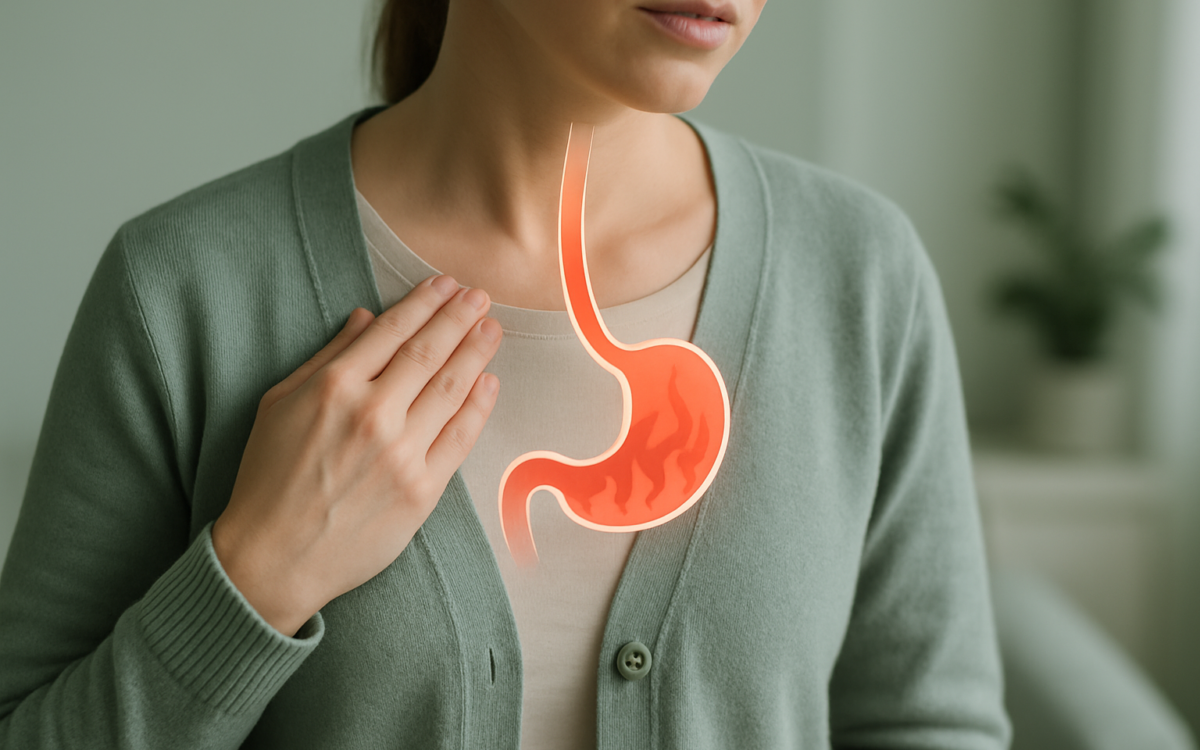
Reflux, commonly known as acid reflux or gastroesophageal reflux disease (GERD), is a condition that many people experience. It occurs when stomach acid flows back into the esophagus, leading to uncomfortable symptoms. Silent reflux, on the other hand, is a form of reflux where individuals do not display the classic symptoms, making it trickier to diagnose. Understanding these two conditions can be crucial for effective management and relief.
What is Reflux?
Reflux happens when stomach acid escapes into the esophagus. This can cause a burning sensation in the chest, known as heartburn. Other common symptoms include regurgitation of food or sour liquid, difficulty swallowing, and a persistent cough. Reflux can occur occasionally in healthy individuals, but when it becomes frequent, it may be classified as GERD.
What is Silent Reflux?
Silent reflux, medically referred to as laryngopharyngeal reflux (LPR), differs from typical reflux as it often goes unnoticed due to the lack of visible symptoms. While many may experience the familiar burning sensation of heartburn, those with silent reflux might not. Instead, symptoms can include:
- Chronic cough
- Sore throat or hoarseness
- Feeling of a lump in the throat
- Postnasal drip
These symptoms can be subtle yet persistent, contributing to the difficulty in diagnosing the condition. Unlike typical reflux, silent reflux can affect the throat and voice box, leading to a range of complications if left untreated.
Common Causes of Reflux and Silent Reflux
The causes of reflux and silent reflux can vary, but several common factors are noted:
- Poor diet: High-fat, spicy, or acidic foods can trigger reflux episodes.
- Obesity: Extra weight can put pressure on the stomach, increasing the likelihood of reflux.
- Smoking: Tobacco use can relax the lower esophageal sphincter, leading to greater reflux.
- Alcohol consumption: Alcohol can also relax the lower esophageal sphincter.
- Hiatal hernia: This occurs when the upper part of the stomach bulges through the diaphragm, making reflux more likely.
- Pregnancy: Hormonal changes and added pressure on the abdomen can provoke reflux symptoms.
Identifying trigger foods or lifestyle habits is essential in managing and preventing these conditions.
Diagnosis of Reflux and Silent Reflux
Diagnosing reflux typically begins with a thorough medical history and discussion of symptoms. For silent reflux, additional steps may include:
- Endoscopy: A thin tube with a camera is inserted to examine the esophagus and stomach.
- pH monitoring: This test measures the acidity in the esophagus over a 24-hour period.
- Esophageal manometry: This assesses the muscle contractions in the esophagus during swallowing.
These procedures help to identify the presence and severity of reflux and silent reflux, guiding appropriate treatment options.
Management and Treatment Options
Managing reflux and silent reflux usually involves a multi-faceted approach:
- Lifestyle changes: Adopting a healthy diet, losing weight, quitting smoking, and reducing alcohol intake can significantly alleviate symptoms.
- Over-the-counter medications: Antacids, H2 blockers, and proton pump inhibitors can help decrease stomach acid production and provide relief.
- Regular meals: Eating smaller, more frequent meals can help reduce pressure on the stomach.
- Sleeping position: Elevating the head while sleeping can minimize nighttime acid reflux.
In some cases, surgery may be required to strengthen the lower esophageal sphincter, preventing acid from flowing back into the esophagus.
Complications to Be Aware Of
Both reflux and silent reflux can lead to complications if not managed properly. These may include:
- Esophagitis: Inflammation of the esophagus due to repeated exposure to stomach acid.
- Strictures: Narrowing of the esophagus caused by long-term damage, leading to difficulty swallowing.
- Barrett’s esophagus: A condition where the lining of the esophagus changes, increasing the risk of esophageal cancer.
If you suspect you have reflux or silent reflux, it’s essential to follow up with a healthcare provider to discuss your symptoms and develop a personalized treatment plan.
When to See a Doctor
While occasional heartburn is common, it’s important to consult a doctor if you experience severe or persistent symptoms, such as:
- Frequent heartburn that disrupts daily life
- Difficulties swallowing or food getting stuck in your throat
- Chronic cough or hoarseness
- Unexplained weight loss
These could be signs of more serious conditions requiring medical attention. Your healthcare provider can conduct appropriate tests and recommend treatments tailored to your specific needs.
In conclusion, understanding the differences between reflux and silent reflux is key to effective management. By recognizing symptoms and identifying triggers, individuals can take proactive steps to address these conditions. If you suspect you may be suffering from either reflux or silent reflux, consider discussing your symptoms with your doctor, who can provide the appropriate guidance and treatment options to help improve your quality of life.
