
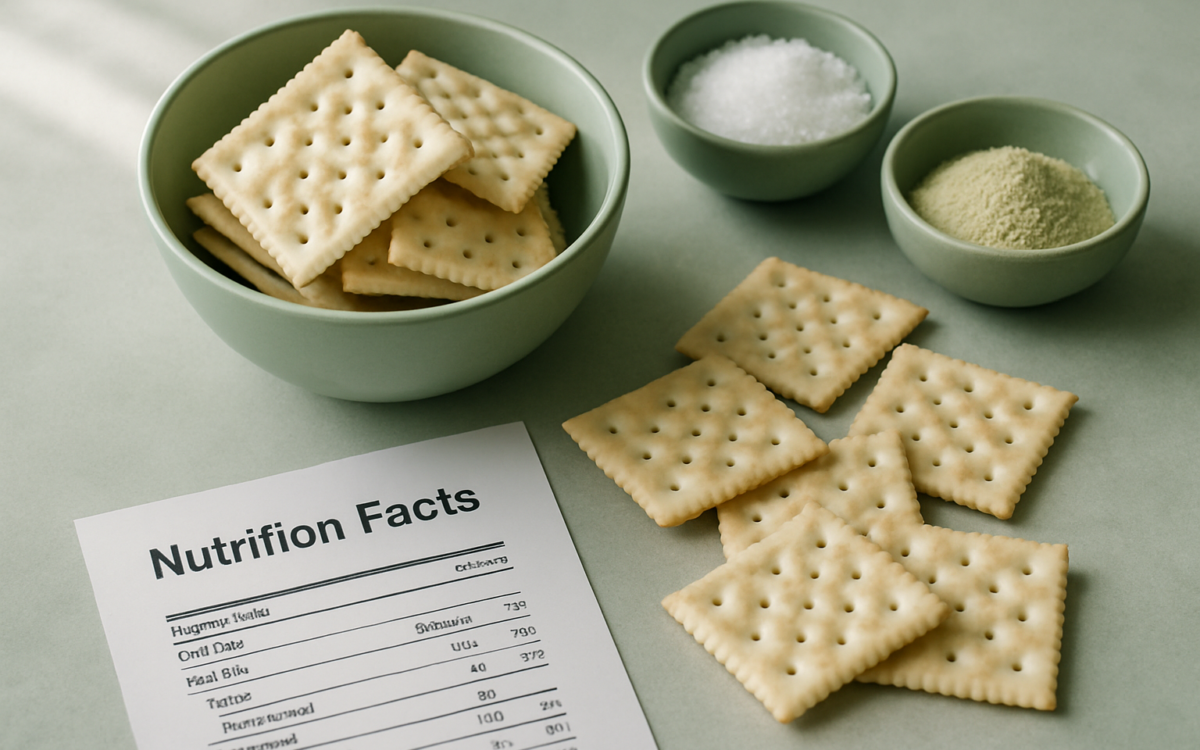
Saltine crackers have long been a staple snack in many households. Their light, crisp texture and mildly salty flavor make them a go-to choice for everything from quick snacks to comforting soups and salads. But have you ever wondered about their nutritional value and how they fit into your overall diet? Let’s explore the nutrition info behind these popular crackers.
Nutritional Overview of Saltine Crackers
A typical serving of saltine crackers, usually comprised of about five to six crackers, contains:
- Calories: Approximately 120-150
- Carbohydrates: Around 22-25 grams
- Protein: 2-3 grams
- Fat: 2 grams or less
- Sodium: 200-300 milligrams
- Fiber: 0-1 gram
These values can vary by brand and specific recipe, but this range gives a good general idea of what you’re consuming.
Carbohydrates and Energy
Carbohydrates are the primary macronutrient found in saltine crackers. They provide a quick source of energy, which is why many people enjoy them as a light snack. However, while they can give you a boost of energy, the crackers are low in fiber, which means they may not keep you feeling full for long. Pairing saltines with protein or healthy fats can enhance their satiating qualities.
Sodium Concerns
One of the main nutritional aspects to consider is the sodium content in saltine crackers. With around 200-300 milligrams of sodium per serving, they can contribute significantly to your daily intake, especially if you consume multiple servings or pair them with salty foods. The American Heart Association recommends keeping sodium intake below 2,300 milligrams per day for most adults, with an ideal limit of around 1,500 milligrams for those with high blood pressure or heart concerns. Keeping track of your sodium intake can help maintain a healthy balance in your diet (American Heart Association).
Are Saltines a Healthy Snack?
When it comes to snacking, the answer isn’t entirely straightforward. Saltine crackers are low in essential nutrients like vitamins and minerals, which makes them less beneficial than whole grain snacks or fresh fruits and vegetables. However, they do provide a quick source of energy, making them useful in certain situations, such as while traveling or when you need something easy to digest when feeling unwell.
Some individuals might find them appealing when recovering from a stomach bug, as they are bland and easy to tolerate. For those managing their weight or looking for nutritious snacks, it’s advisable to enjoy saltines in moderation and consider pairing them with nutrient-dense foods like hummus, nut butter, or cheese for a balanced option.
Allergen Considerations
While saltines are a popular snack, they are generally made from wheat, which means they contain gluten. For individuals with celiac disease or gluten sensitivity, traditional saltine crackers can lead to adverse reactions. Fortunately, many brands now offer gluten-free alternatives that substitute wheat with other grains. Always check the packaging to ensure you’re choosing a product that fits your dietary needs.
How to Incorporate Saltines into Your Diet
If you enjoy saltine crackers and want to include them in your diet, there are a few creative ways to make them a bit more nutritious:
- Top them with protein: Spread peanut butter or hummus on saltines for added healthy fats and protein.
- Use them as croutons: Crush saltines and sprinkle them over salads or soups for added crunch.
- Pair with veggies: Enjoy with salsa or diced avocado for a fresh and flavorful snack.
By making thoughtful choices, you can enjoy your saltine crackers while contributing to a more balanced diet.
When to See a Doctor
If you have concerns about your sodium intake, dietary restrictions, or if you experience adverse reactions after eating saltines or similar snacks, consider consulting a healthcare professional. They can provide guidance tailored to your individual health needs and help you make informed dietary choices.
In conclusion, saltine crackers can be a convenient and enjoyable snack option. While they don’t pack a significant nutritional punch, understanding their role in your diet allows you to enjoy them mindfully. Pair them with more nutrient-rich foods, and you’ll have a satisfying snack that aligns with your health goals.
