
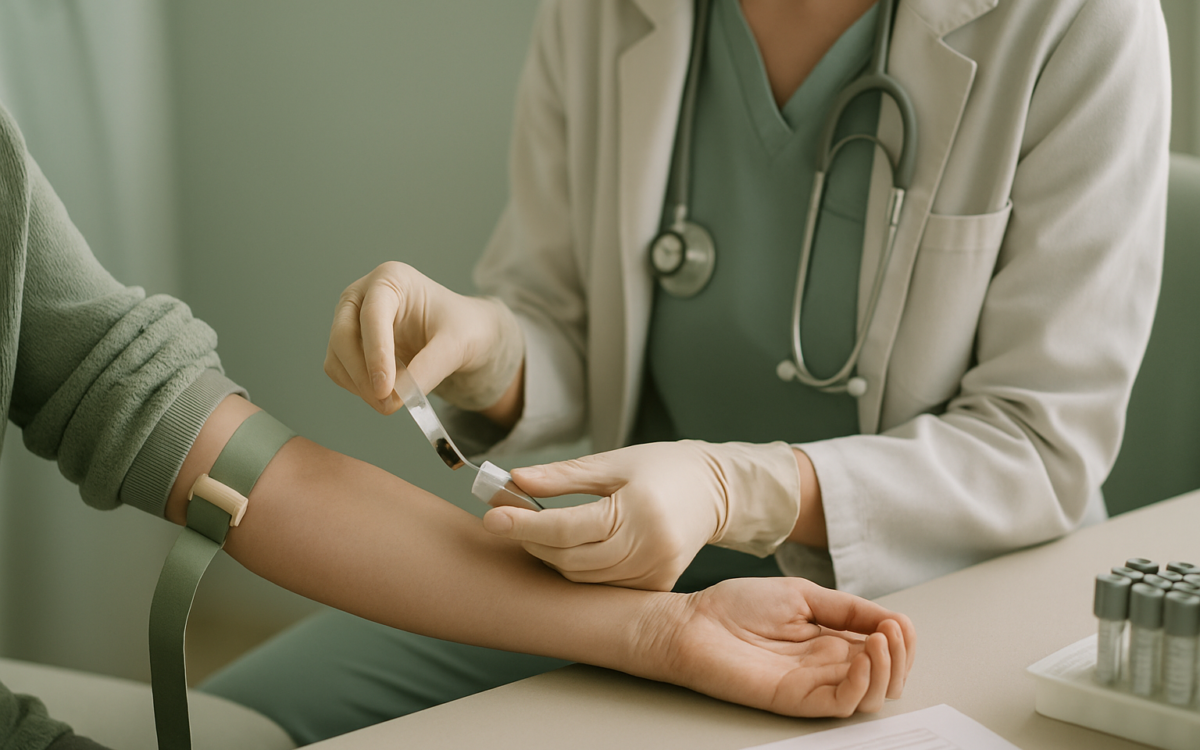
Screening testing is an important health tool that helps identify potential health issues before they develop into more serious problems. It involves performing medical tests on individuals who do not yet have symptoms of a particular condition. By catching diseases early, screening can lead to better outcomes and more effective treatment options. But what exactly does screening testing entail, and how does it work?
What Is Screening Testing?
At its core, screening testing is used to detect diseases or conditions in people who appear healthy. It can help identify risk factors or early signs of conditions such as cancer, diabetes, or heart disease. Common examples of screening tests include blood pressure checks, cholesterol tests, mammograms, and colonoscopies. Each test is designed to catch specific diseases early on, allowing for timely intervention.
Why Is Screening Testing Important?
The primary goal of screening tests is early detection. Many health conditions can be more easily treated and managed when caught early. For example, breast cancer may be easier to treat if detected through a mammogram before any lumps are felt. According to the CDC, screening can lead to reduced mortality rates and improved quality of life for individuals at risk.
Types of Screening Tests
Different screening tests are recommended based on age, sex, family history, and risk factors. Here are a few common categories of screening tests:
- Cancer Screenings: As mentioned, tests like mammograms for breast cancer and colonoscopies for colorectal cancer can help catch these diseases early.
- Cardiovascular Screenings: Blood pressure and cholesterol tests are commonly used to assess heart health and the risk of heart disease.
- Diabetes Screening: Blood glucose tests can help identify prediabetes and diabetes in its early stages.
- Sexually Transmitted Infection (STI) Screenings: Regular screenings for STIs can help prevent complications and the spread of infections.
Who Should Get Screened?
Deciding when to get screened varies based on several factors, including age, gender, medical history, and lifestyle choices. For example:
- Women should start getting mammograms at age 40 or earlier if they have a family history of breast cancer.
- Men and women should start screening for colorectal cancer around age 45.
- Individuals with a family history of heart disease may need cholesterol tests earlier than those without such a history.
It’s important to follow recommended guidelines and consult your healthcare provider to determine which screenings are appropriate for you. You may even explore international options for screenings, such as those offered by Acibadem International, where advanced technologies and treatments are accessible.
Benefits and Limitations of Screening Testing
While screening testing has many benefits, it also comes with some limitations. One of the primary advantages is the chance to catch diseases early, which can improve treatment prognoses. Screening tests can also provide peace of mind when results are negative.
However, not all screenings are perfect. False positives (test results that indicate a disease when there isn’t one) can lead to unnecessary anxiety and additional tests. False negatives can suggest that a condition is not present when it is. Therefore, it’s crucial to have open discussions with your healthcare provider about the benefits and any potential drawbacks of screening tests.
How to Prepare for Screening Tests
Preparing for a screening test will vary depending on the type of test you are undergoing. Here are some general tips:
- Know Your History: Provide your doctor with a complete health history and any family history of diseases that could affect your screening.
- Follow Instructions: Some tests may require fasting or avoidance of certain medications prior to the test.
- Stay Informed: Understand what the test entails and ask any questions you may have beforehand.
When to See a Doctor
If you have concerns about your health or family history of specific conditions, it’s essential to consult your doctor. They can help determine which screenings are suitable for you and recommend the appropriate timeline. Additionally, if you experience any unexplained symptoms or changes in your health, don’t hesitate to reach out to a healthcare professional.
Conclusion
Screening testing plays a vital role in preventive health care, enabling early detection and treatment of diseases. Staying informed about which tests are right for you and engaging in meaningful conversations with your healthcare provider can make a significant difference in your overall health and well-being. Remember, early detection saves lives.
