
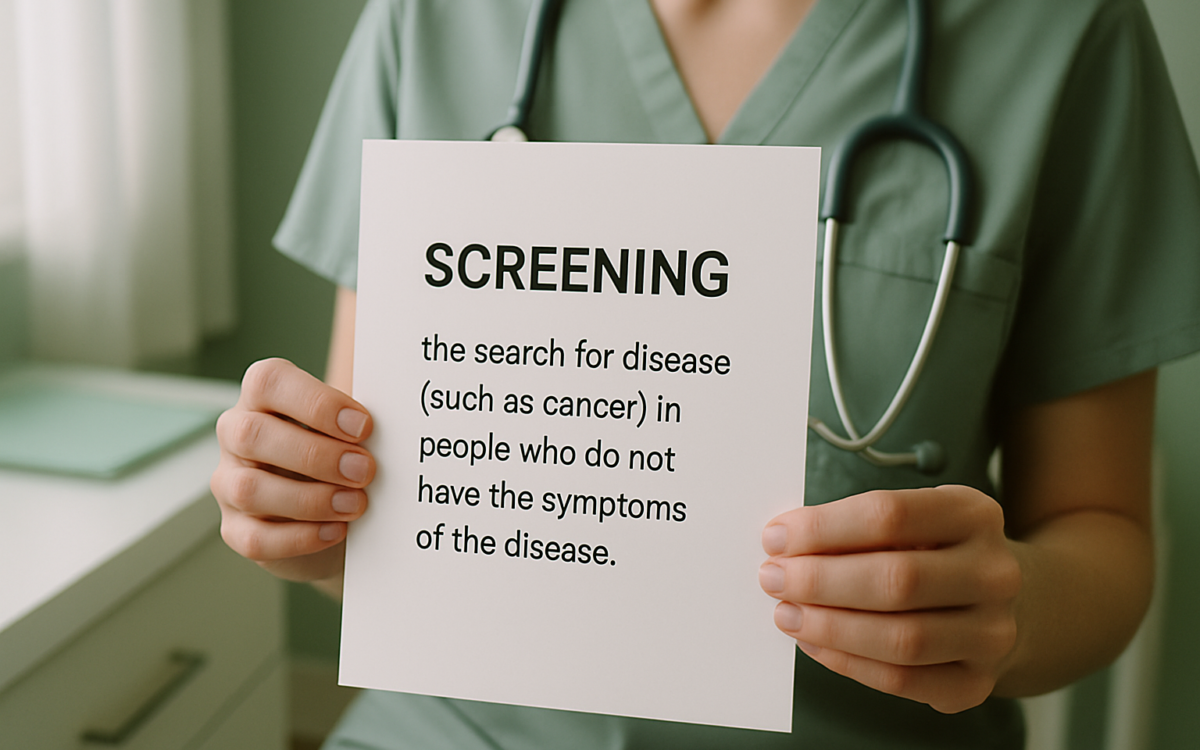
Screening is an essential concept in healthcare that often flies under the radar for many people. However, understanding what screening means can significantly impact your health and well-being. In simple terms, screening refers to the process of testing or assessing individuals for certain diseases or conditions before any symptoms arise. This proactive approach can lead to early detection and successful management of health issues, improving the chances of positive outcomes.
What Is the Medical Definition of Screening?
The medical definition of screening is a systematic examination of individuals to identify those who may have a specific disease or condition, even if they are asymptomatic, or showing no symptoms. According to the World Health Organization (WHO), effective screening programs aim to reduce morbidity and mortality by catching diseases in their early stages, where intervention can be more effective.
Types of Screening
Screening can be categorized into several types based on the diseases targeted and the methods used. Here are some common types of screenings:
- Cancer Screening: This includes tests like mammograms for breast cancer, Pap smears for cervical cancer, and colonoscopies for colorectal cancer. Early detection through these screenings can greatly improve survival rates.
- Cardiovascular Screening: Blood pressure measurements, cholesterol tests, and other cardiovascular assessments help identify those at risk for heart disease or stroke.
- Diabetes Screening: Blood glucose tests can determine a person’s risk for diabetes, allowing for early intervention strategies.
- Vision Screening: Regular eye exams can identify conditions like glaucoma or cataracts, which may not have obvious symptoms initially.
- Hearing Screening: Tests for hearing impairments can start early in life, ensuring children and adults receive appropriate care.
The Importance of Screening
The significance of screening cannot be overstated. Here are a few reasons why screening is crucial for overall health:
- Early Detection: Many diseases develop silently, without noticeable symptoms. Screening can detect these conditions early, when they are often more treatable.
- Reducing Treatment Costs: Early diagnosis through screening can lead to less costly interventions compared to treatments for advanced-stage diseases.
- Promoting Preventive Care: Screenings foster a culture of prevention, encouraging individuals to take charge of their health before issues arise.
- Public Health Impact: Widespread screening can contribute to better health outcomes at the community level by reducing the prevalence of severe diseases.
Screening Guidelines and Recommendations
Screening guidelines vary depending on factors like age, gender, and risk factors. Professional organizations such as the Centers for Disease Control and Prevention (CDC) and the Mayo Clinic provide specific recommendations for various types of screenings. Here are some general guidelines:
- Cancer Screenings: Women should begin mammograms at age 40, while men and women should discuss colorectal screening starting at age 45.
- Cholesterol Screening: Adults should have their cholesterol checked every four to six years, starting at age 20.
- Diabetes Screening: Adults aged 45 and older should consider getting screened for diabetes. Younger adults with risk factors should also be screened.
Barriers to Screening
Despite the importance of screening, several barriers can prevent individuals from participating in these crucial health checks:
- Awareness: Many people are simply unaware of the screenings they should undergo or when to start.
- Access: Geographic or financial barriers can limit access to screening facilities.
- Fear of Results: Fear of what the screenings might reveal can deter people from seeking them.
- Misinformation: Myths and misconceptions about certain screenings can lead to avoidance.
When to See a Doctor
If you’re unsure about what screenings might be appropriate for you, or if you have concerns about your health, it’s a good idea to consult with a healthcare provider. They can guide you based on your personal health history, age, and risk factors. Regular check-ups can help ensure that you’re on track with recommended screenings and overall health management.
In conclusion, understanding the medical definition of screening and its various forms is essential for maintaining your health. Regular screenings can lead to early detection of potential health issues, ensuring that you receive timely care. Don’t hesitate to discuss your screening options with your healthcare provider to develop a personalized screening plan that is right for you.
