
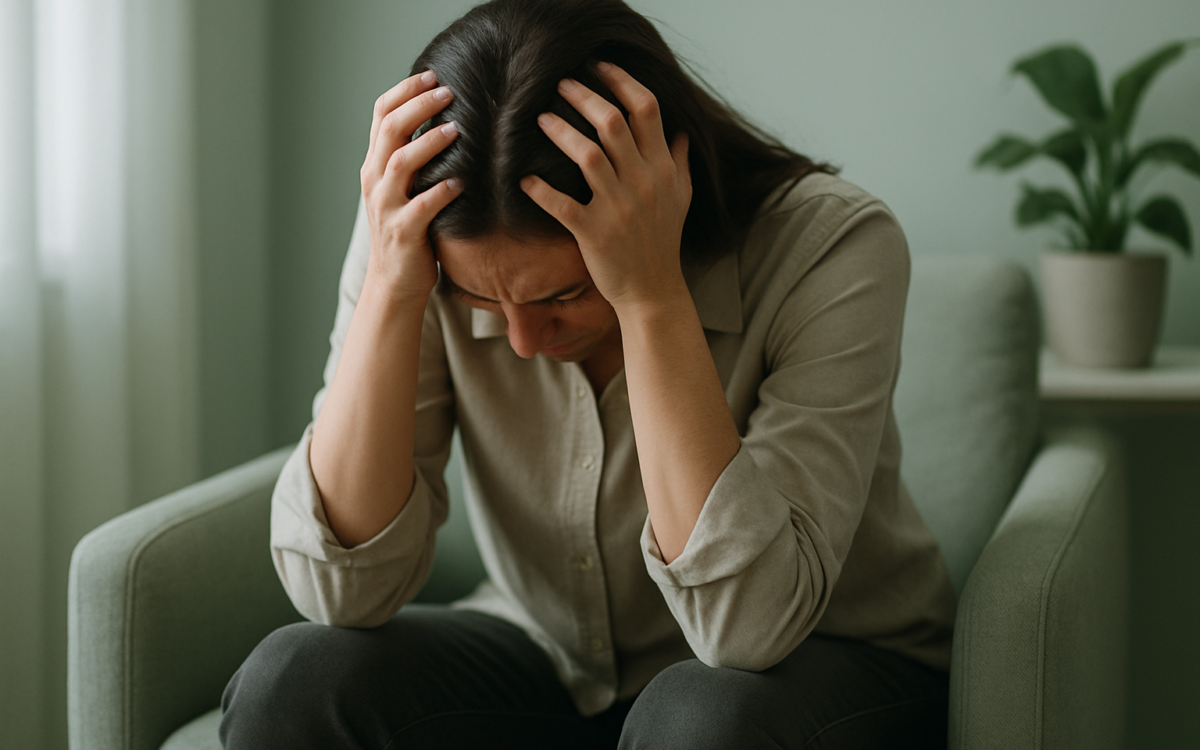
Anxiety is a normal response to stress, but when it becomes severe, it can be a debilitating experience. Many people face challenges in their day-to-day lives due to overwhelming feelings of fear and worry. Understanding severe anxiety can equip you with knowledge and coping strategies to improve your mental wellness.
What is severe anxiety?
Severe anxiety refers to intense feelings of worry and fear that can interfere with daily activities. This condition can manifest in various forms, such as generalized anxiety disorder (GAD), panic disorder, and social anxiety disorder. When someone experiences severe anxiety, they may find it difficult to concentrate, relax, and even perform everyday tasks.
Common symptoms of severe anxiety
The symptoms of severe anxiety can vary from person to person but often include both physical and emotional signs. Understanding these can help you identify when anxiety is becoming severe:
- Excessive worrying: Constantly fearing the worst, even in normal situations.
- Restlessness: Feeling unable to sit still or relax.
- Tightness in the chest: Physical symptoms like difficulty breathing or a racing heart.
- Fatigue: Feeling tired or worn out even after adequate rest.
- Difficulty concentrating: Finding it hard to focus on tasks.
- Sleep disturbances: Experiencing insomnia or restless sleep.
What causes severe anxiety?
Severe anxiety often arises from a combination of genetic, environmental, and psychological factors. Research suggests that an imbalance of chemicals in the brain, particularly neurotransmitters like serotonin, may play a role. Additionally, past trauma, ongoing stressors, or significant life changes can trigger or worsen anxiety symptoms.
Moreover, certain medical conditions and medications can also contribute to anxiety. Conditions such as thyroid problems, heart disease, and even certain vitamin deficiencies can amplify feelings of anxiety. It is essential to rule out any underlying medical issues before concluding that one has a severe anxiety disorder. You can find more information on this topic by visiting the Mayo Clinic.
Coping strategies for severe anxiety
Developing coping strategies is vital for managing severe anxiety. Here are some effective techniques to consider:
- Mindfulness meditation: Practicing mindfulness helps center your thoughts and can reduce anxiety. There are many apps available that guide you through meditation practices.
- Physical activity: Regular exercise has been shown to lower stress and anxiety levels. Even a short walk can help boost your mood.
- Deep breathing exercises: Techniques like deep abdominal breathing can help ground you and lessen anxiety symptoms. Try inhaling slowly through your nose, holding your breath for a few seconds, and then exhaling slowly through your mouth.
- Sufficient sleep: A regular sleep schedule can significantly affect your mental health. Aim for 7-9 hours of sleep per night.
- Talk about your feelings: Sharing your feelings with friends, family, or a support group can help alleviate feelings of isolation that anxiety may cause.
When to seek professional help
If your anxiety feels overwhelming or is impacting your daily life, seeking professional help is essential. Mental health professionals can provide therapy, medication, or other interventions to help you manage severe anxiety. Situations when you should consider consulting a doctor include:
- When anxiety symptoms last for an extended period.
- When you are unable to function in your daily activities.
- When you have thoughts of harming yourself or others.
Finding the right support can make a significant difference in your journey. Resources such as the World Health Organization are available to help you understand and tackle anxiety-related issues.
Conclusion
Severe anxiety can be a paralyzing condition that impacts many aspects of life. However, through understanding and employing coping strategies, individuals can take meaningful steps toward managing their anxiety. If you or someone you know is struggling with severe anxiety, remember that help is available, and seeking support can lead to a more fulfilling life.
