
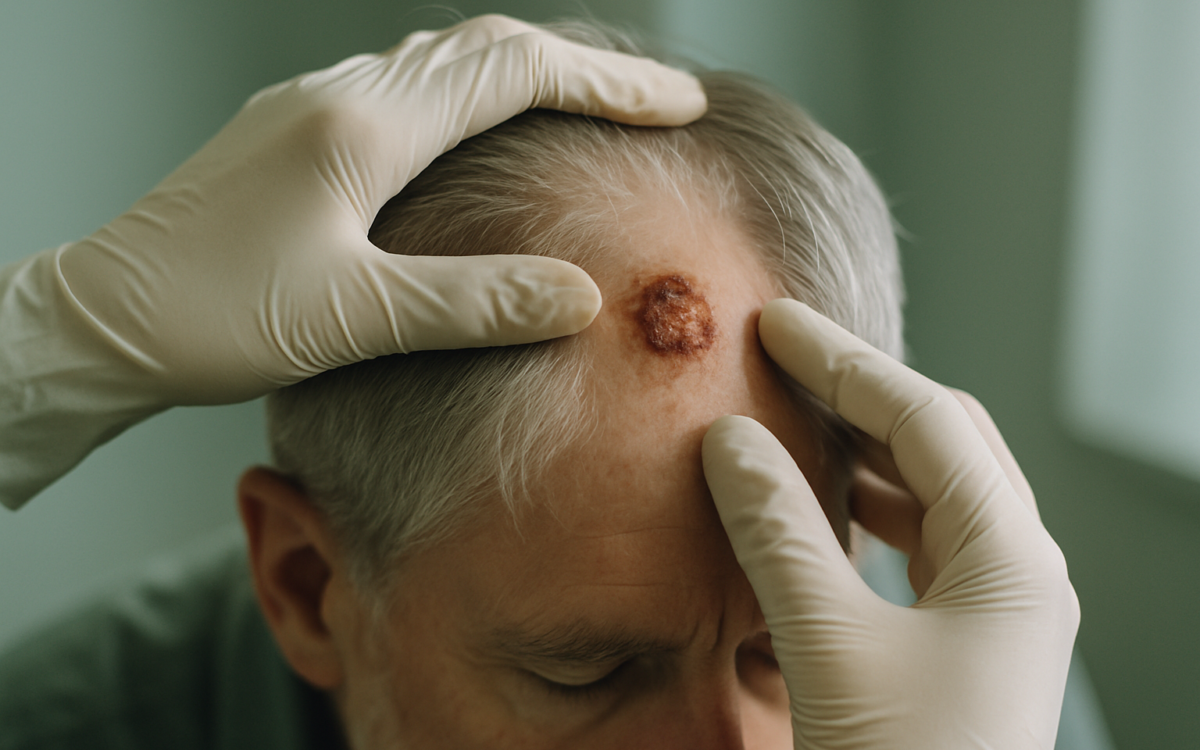
Skin cancer on the scalp is a growing concern for many, yet it’s often overlooked until significant damage is done. The scalp is a common area for skin cancer, primarily because it receives a lot of sun exposure. It’s important to be aware of the signs, types, and treatment options available to effectively manage this condition. In this article, we will explore the intricacies of scalp skin cancer, including its types, causes, symptoms, and prevention strategies.
Types of Skin Cancer Found on the Scalp
There are three main types of skin cancer that can develop on the scalp: basal cell carcinoma, squamous cell carcinoma, and melanoma.
Basal Cell Carcinoma (BCC)
This is the most common form of skin cancer, often characterized by a slow-growing tumor. BCC usually appears as a small, shiny bump or a flat, scaly patch on the skin. On the scalp, it may sometimes be mistaken for a harmless growth due to its subtle appearance. While BCC rarely spreads to other parts of the body, it can cause local damage if left untreated.
Squamous Cell Carcinoma (SCC)
SCC is the second most common type of skin cancer. It often presents as a firm, red bump or a sore that doesn’t heal. This type can be more aggressive than BCC and has a higher chance of metastasizing (spreading) if not addressed early. Regular monitoring of any changing spots is crucial.
Melanoma
Melanoma is the rarest but most dangerous type of skin cancer. It can develop in existing moles or appear as new, unusual moles. Early detection is vital, as melanoma can spread rapidly to other areas of the body. Knowing your skin and any changes that occur is key to catching melanoma early.
Causes and Risk Factors
The primary cause of skin cancer on the scalp is exposure to ultraviolet (UV) radiation from the sun. However, other factors can increase your risk:
- Fair Skin: Individuals with lighter skin tones are at a higher risk for developing skin cancers.
- Aging: The risk increases as you age, making routine skin checks crucial for older adults.
- History of Sunburns: Severe sunburns, especially in childhood, can lead to a greater likelihood of skin cancer.
- Family History: Genetics play a role; a family history of skin cancer can increase your risk.
- Immune Suppression: Conditions that weaken the immune system may make one more susceptible to skin cancers.
It’s essential to be mindful of these factors and take proactive measures to protect your scalp.
Recognizing Symptoms
Detecting skin cancer early can significantly improve the chances of successful treatment. Here are some common symptoms to watch for:
- New growths or sore that won’t heal
- Changes in the color or size of moles
- Rough, scaly patches that may bleed
- Itching or tenderness in specific areas
- Shiny bumps or nodules on the scalp
If you notice any of these symptoms, it’s important to consult a healthcare professional for further evaluation and potential diagnosis.
Prevention Strategies
While you might not be able to completely eliminate the risk of developing skin cancer, there are several strategies to minimize it:
- Use Sunscreen: Apply broad-spectrum SPF 30 or higher to your scalp and reapply every two hours.
- Wear Protective Clothing: Consider wearing hats with wide brims when outdoors to shield your scalp from UV rays.
- Avoid Tanning Beds: They can increase your skin cancer risk, so it’s best to avoid them altogether.
- Regular Skin Checks: Make a habit of checking your scalp regularly for any unusual changes or growths.
For those looking for more specialized options, seeking treatment in Turkey can provide access to advanced therapies and expertise in dermatology.
Diagnosis and Treatment Options
Diagnosing skin cancer on the scalp typically involves a physical examination and may include a biopsy to confirm the presence of cancerous cells. Once a diagnosis is made, treatment options may vary depending on the type and stage of cancer:
- Surgical Removal: This is often the first line of treatment and involves removing the cancerous tissue.
- Cryotherapy: Freezing the cancer cells with liquid nitrogen can sometimes effectively treat superficial cancers.
- Topical Treatments: Prescription creams are available that can be applied directly to the skin.
- Radiation Therapy: This may be employed in certain cases, especially if surgery is not an option.
Following treatment, regular follow-ups with your healthcare provider are essential to monitor for any signs of recurrence.
When to See a Doctor
If you notice any suspicious growths, changes in existing moles, or any unusual skin changes, it’s essential to see a healthcare professional. Early detection is key in managing skin cancer effectively, so don’t hesitate to seek help if something doesn’t seem right.
By staying informed about skin cancer on the scalp, using preventive measures, and seeking prompt medical advice, you can safeguard your health effectively.
Remember, early action can make all the difference when it comes to skin cancer, so stay vigilant and proactive about your skin health.
