
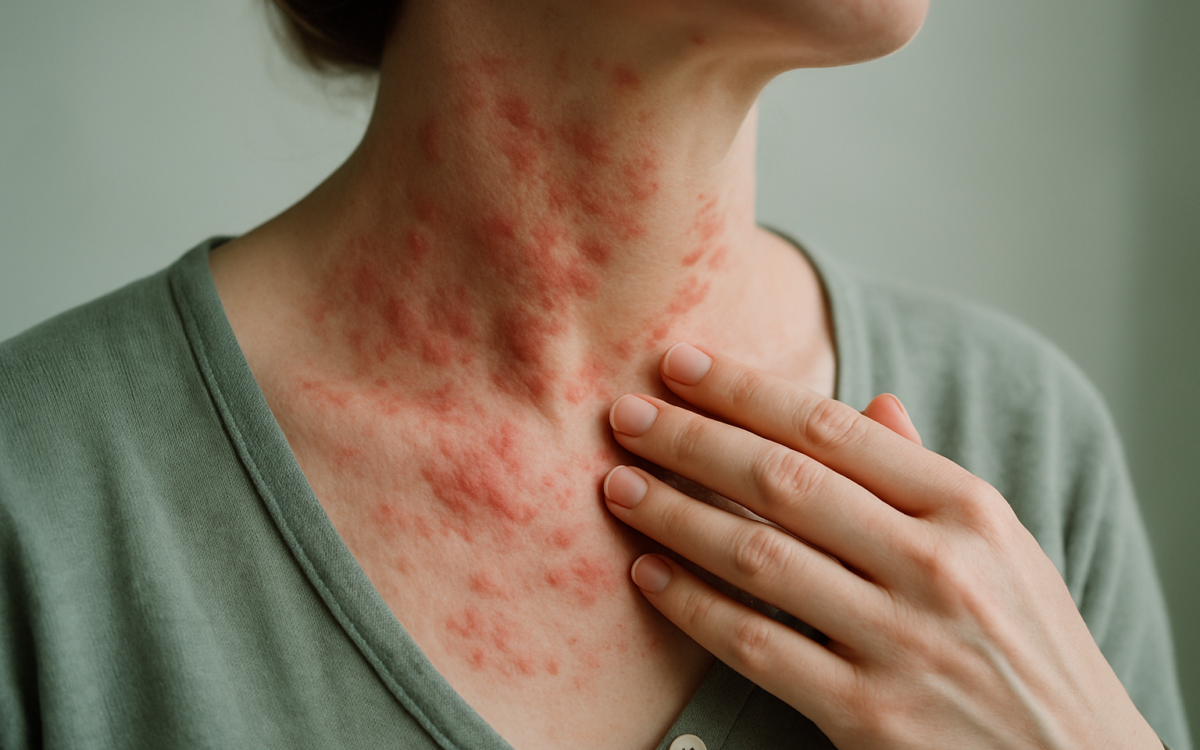
Thyroid disease can affect not just your metabolism and energy levels, but also the health of your skin. Many people are often surprised to learn that skin rashes can be one of the symptoms of thyroid conditions. Both hypothyroidism (underactive thyroid) and hyperthyroidism (overactive thyroid) can lead to various skin issues. In this article, we will explore the types of skin rashes associated with thyroid disease, their causes, and when to seek medical assistance.
Understanding Thyroid Disease
The thyroid is a small butterfly-shaped gland located in the front of your neck. It plays a crucial role in regulating your metabolism, energy levels, and overall hormonal balance. Disorders of the thyroid can arise, leading to conditions such as Hashimoto’s thyroiditis, Graves’ disease, and thyroid cancer. Understanding these conditions can help in recognizing associated symptoms, including skin changes.
Types of Skin Rashes Associated with Thyroid Disease
There are several types of skin rashes that can occur due to thyroid problems:
- Myxedema: This is primarily associated with severe hypothyroidism. It causes swelling, particularly around the eyes and on the face. The skin may appear thick and dry.
- Dermopathy: Commonly linked with hyperthyroidism, dermopathy involves thick, waxy skin, especially on the shins. It can be quite noticeable and make the skin appear shiny.
- Eczema: Patients with thyroid disease may find that they develop eczema, which leads to red, itchy patches on the skin. Stress related to thyroid dysfunction can exacerbate this condition.
- Psoriasis: Some individuals with thyroid disorders report flare-ups of psoriasis, a condition characterized by red, scaly patches on the skin.
How Thyroid Hormones Affect the Skin
Thyroid hormones have a direct impact on skin health. In hypothyroidism, low hormone levels can result in decreased blood circulation, which may lead to dry, flaky skin. Additionally, a slow metabolism can lead to reduced sweat production, leaving the skin vulnerable to dryness and irritation.
Conversely, hyperthyroidism can cause an overproduction of skin oils due to increased metabolism. This can lead to oily skin, acne, and in some cases, the thickening of skin that causes the aforementioned dermopathy.
Recognizing Symptoms and Triggers
Recognizing the connection between thyroid disorders and skin rashes is crucial for effective management. Because many believe skin conditions are unrelated to systemic diseases, people may overlook thyroid issues as a potential cause. If you notice persistent skin changes along with other symptoms like fatigue, weight changes, or mood swings, it is important to consider the possibility of a thyroid condition.
There are triggers that can aggravate skin rashes in individuals with thyroid issues. Stress, fluctuations in hormone levels, and even dietary factors can play a role. Maintaining a balanced diet rich in vitamins and minerals is essential for overall skin health, particularly if you have thyroid disease.
Treatment Options for Skin Rashes and Thyroid Disease
Treatment for skin rashes associated with thyroid disease often involves addressing the underlying thyroid disorder. Adjusting medication for hypothyroidism or hyperthyroidism can lead to improvement in both thyroid function and skin health.
For localized skin issues, dermatological treatments such as topical steroids, moisturizers, or other anti-inflammatory medications may be used. A dermatologist can provide tailored options based on the specific nature of your skin rash.
It is also worth exploring international treatment options. Several clinics around the world specialize in endocrinology and dermatology, offering integrated care for thyroid conditions and skin health. For those seeking broader perspectives and treatments, sites like acibademinternational.com might provide valuable resources and information.
When to See a Doctor
It’s advisable to consult a healthcare professional if you experience:
- A rash that doesn’t respond to over-the-counter treatments.
- Changes in skin texture, thickness, or color.
- Other symptoms of thyroid disease, such as weight loss, weight gain, fatigue, or mood changes.
A doctor can help conduct the necessary tests to determine if your thyroid is functioning properly and if your skin rash is related.
Conclusion
Recognizing the link between skin rashes and thyroid disease is an important step in managing both conditions effectively. Understanding your symptoms and when to seek medical assistance can lead to better health outcomes. By taking proactive steps, you can address your thyroid health and its impact on your skin.
