
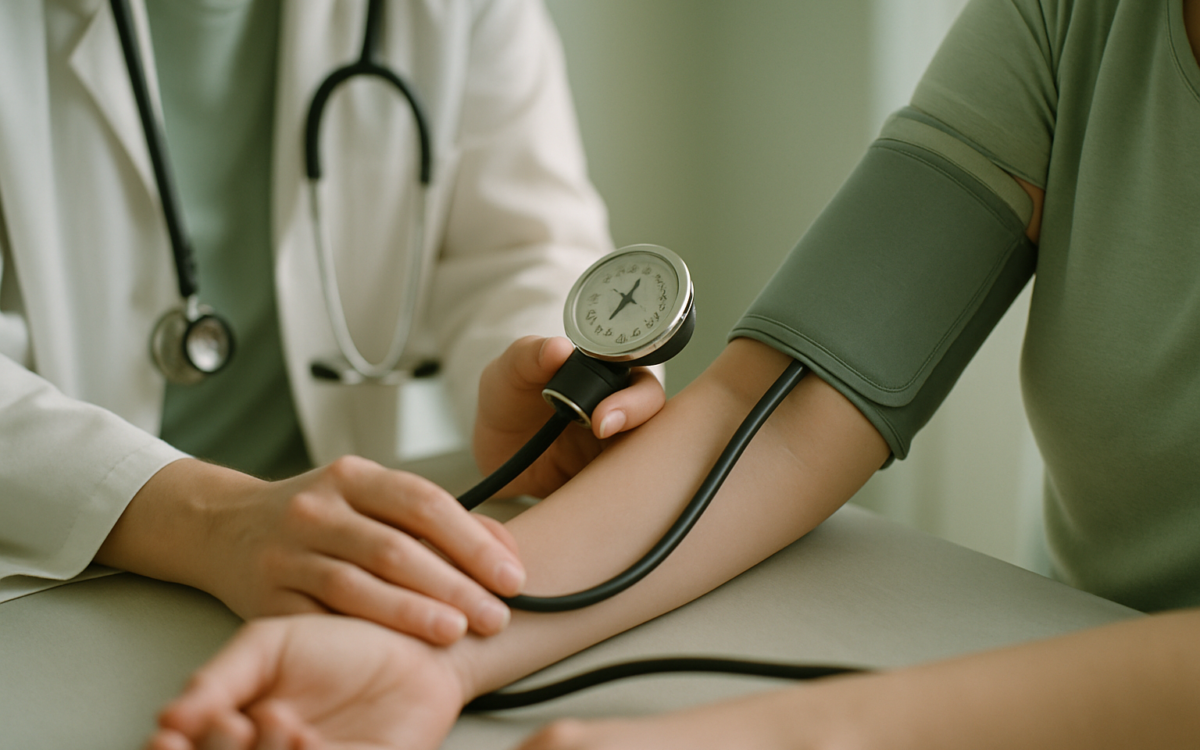
Hypertension, or high blood pressure, is often called the silent killer because it may not present noticeable symptoms until it reaches a serious level. Among the various stages of hypertension, stage 2 is a significant milestone that requires attention and management. This article aims to provide a clear understanding of stage 2 hypertension, its implications, and ways to manage it.
What Is Hypertension?
Hypertension is when the force of the blood against the arteries is consistently too high. Blood pressure is measured in millimeters of mercury (mm Hg) and is expressed with two numbers: systolic (the pressure when the heart beats) over diastolic (the pressure when the heart rests). According to the CDC, normal blood pressure is considered to be below 120/80 mm Hg.
Stages of Hypertension
Hypertension is categorized into different stages based on blood pressure readings. Here’s a breakdown according to the American Heart Association:
- Normal: Less than 120/80 mm Hg
- Elevated: Systolic between 120-129 and diastolic less than 80
- Stage 1 Hypertension: Systolic between 130-139 or diastolic between 80-89
- Stage 2 Hypertension: Systolic 140 or higher or diastolic 90 or higher
Stage 2 hypertension is particularly concerning as it may lead to serious health issues such as heart disease, stroke, or kidney damage if left unmanaged.
Signs and Symptoms of Stage 2 Hypertension
While high blood pressure often has no clear symptoms, some people may experience signs such as:
- Headaches
- Shortness of breath
- Nosebleeds
- Flushing
- Dizziness
However, these symptoms are usually associated with severe hypertension crises. As a result, many individuals with stage 2 hypertension may not realize they are affected until routine blood pressure checks are performed.
Understanding Risks Associated with Stage 2 Hypertension
The risks of stage 2 hypertension are significant. If blood pressure is not controlled, it can lead to severe complications, including:
- Heart Disease: High blood pressure forces the heart to work harder, which may lead to heart disease over time.
- Stroke: Chronic high blood pressure can cause blood vessels in the brain to rupture or block, resulting in a stroke.
- Kidney Damage: The strain of high blood pressure can damage the kidneys, resulting in reduced kidney function or kidney failure.
Being aware of these potential complications reinforces the importance of regular monitoring and management.
Managing Stage 2 Hypertension
Managing stage 2 hypertension typically involves lifestyle modifications and possibly medication. Here are some common strategies:
1. Lifestyle Changes
- Adopt a Heart-Healthy Diet: Incorporate fruits, vegetables, whole grains, and lean proteins, while reducing salt, sugar, and saturated fats.
- Exercise Regularly: Aim for at least 150 minutes of moderate aerobic activity each week.
- Limit Alcohol: Reducing alcohol intake can lower blood pressure; guidelines recommend moderation.
- Maintain a Healthy Weight: Even a modest amount of weight loss can help lower blood pressure if you are overweight.
2. Medications
Your healthcare provider may prescribe medications to help control blood pressure. Common medications include:
- Thiazide diuretics
- ACE inhibitors
- Calcium channel blockers
- Angiotensin II receptor blockers
It’s essential to follow your doctor’s instructions regarding any prescribed medications, as they can help manage your condition effectively.
Regular Monitoring is Essential
Regular blood pressure checks are crucial, especially if you’ve been diagnosed with stage 2 hypertension. At home, you can use a digital blood pressure monitor to keep track of your readings. Discuss your readings with your doctor during visits to ensure that any treatment plans are adjusted as needed.
When to See a Doctor
If you suspect you have high blood pressure or experience symptoms such as severe headaches, shortness of breath, or sudden changes in vision, seek medical attention promptly. Regular check-ups are also important to monitor your blood pressure and overall health.
Conclusion
Understanding stage 2 hypertension is key to preventing significant health risks associated with high blood pressure. By recognizing its signs, managing your lifestyle, and adhering to prescribed treatments, you can work toward maintaining a healthy blood pressure level. Always consult your healthcare provider for medical advice tailored to your situation.
