
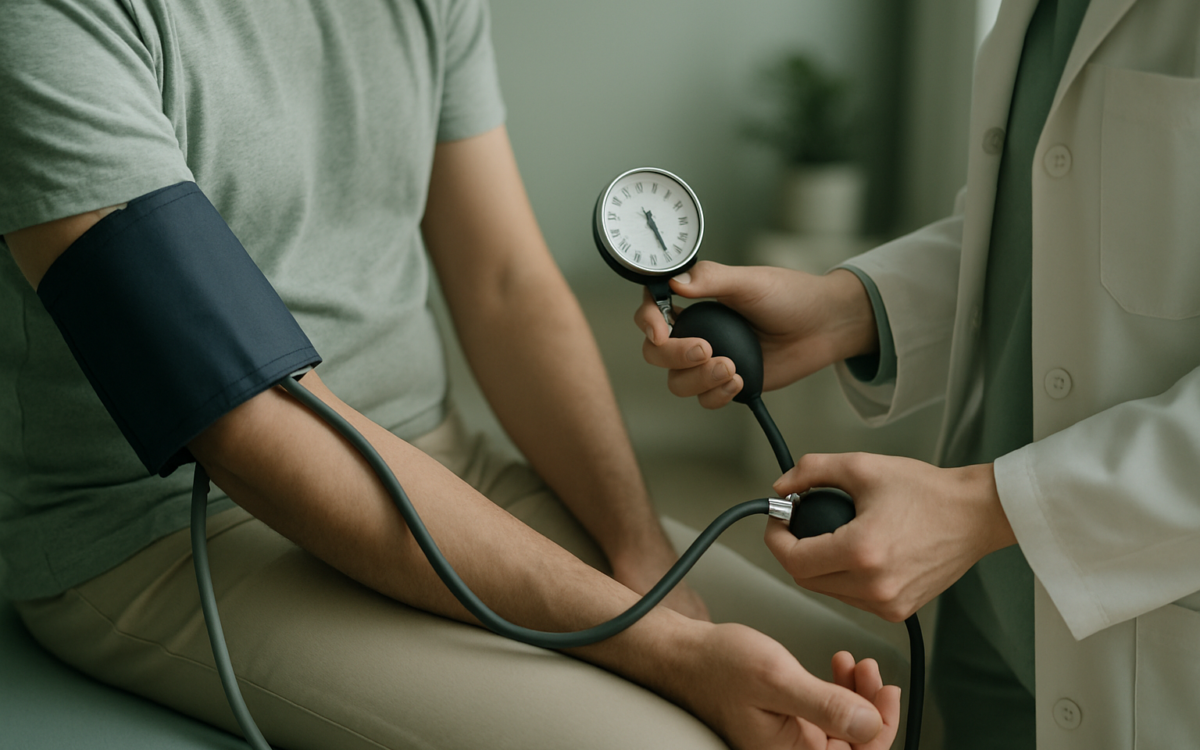
Hypertension, or high blood pressure, is often called the “silent killer” because it usually has no symptoms. However, once it reaches stage 2, the situation becomes critical and demands both attention and action. Stage 2 hypertension indicates that your blood pressure has reached a level that significantly increases your risk for heart disease and stroke. Understanding this condition is essential for maintaining good health and preventing severe complications.
What is Stage 2 Hypertension?
Stage 2 hypertension is defined as having a systolic blood pressure of 140 mm Hg or higher, or a diastolic blood pressure of 90 mm Hg or higher. Blood pressure readings are classified into different stages by the American Heart Association. The stages are as follows:
- Normal: Less than 120/80 mm Hg
- Elevated: Systolic between 120-129 and diastolic less than 80
- Stage 1: Systolic between 130-139 or diastolic between 80-89
- Stage 2: Systolic at least 140 or diastolic at least 90
This classification helps doctors identify the severity of high blood pressure and determine appropriate treatment methods. Stage 2 hypertension requires immediate lifestyle changes and often medical intervention.
Causes of Stage 2 Hypertension
Understanding the underlying causes of stage 2 hypertension can help in managing it effectively. Common causes include:
- Obesity: Carrying excess weight increases the strain on your heart and raises blood pressure.
- Lack of physical activity: A sedentary lifestyle contributes to weight gain and higher blood pressure levels.
- High sodium intake: Consuming too much salt can lead to fluid retention, which increases blood pressure.
- Chronic kidney disease: Kidney problems can affect how your body regulates blood pressure.
- Hormonal disorders: Conditions like Cushing’s syndrome or hyperthyroidism can elevate your blood pressure.
- Genetics: A family history of high blood pressure can increase your risk.
Addressing these factors involves proactive lifestyle changes and, in some cases, medication.
Recognizing Symptoms
Most people with stage 2 hypertension do not experience obvious symptoms, which makes regular check-ups crucial. However, some may notice:
- Headaches
- Dizziness
- Nosebleeds
- Shortness of breath
- Visual changes
If you experience any of these symptoms, it’s important to consult with a healthcare professional. Late-stage symptoms could indicate severe complications like hypertensive emergencies.
Management and Treatment Options
Managing stage 2 hypertension revolves around making significant lifestyle changes, often in conjunction with medication. Here are some methods to help control your blood pressure:
Dietary Changes
Adopting a heart-healthy diet is essential. This includes:
- Reducing sodium intake
- Eating plenty of fruits and vegetables
- Choosing whole grains over refined grains
- Incorporating lean proteins, such as fish and poultry
The Dietary Approaches to Stop Hypertension (DASH) diet is often recommended for individuals with high blood pressure.
Regular Physical Activity
Aim for at least 150 minutes of moderate aerobic activity or 75 minutes of vigorous activity each week. Exercise helps maintain a healthy weight and strengthens your heart.
Medication
If lifestyle changes do not sufficiently lower blood pressure, your doctor may prescribe medications. Common types of medications include:
- Diuretics
- ACE inhibitors
- Calcium channel blockers
- Beta-blockers
Always take medications as prescribed and never stop them without consulting your healthcare provider.
International Perspectives
For those considering treatment options abroad or looking for comprehensive care, resources like international patient services can provide guidance. Every country’s healthcare system is different, and additional support can make accessing treatments more manageable.
Preventing Complications
Stage 2 hypertension poses a significantly increased risk for complications, such as:
- Heart attack
- Stroke
- Heart failure
- Vision loss
- Kidney damage
Preventative measures include consistent monitoring of blood pressure, making lifestyle changes, and adhering to treatment plans. Regular communication with healthcare professionals is key to reducing your risk.
When to See a Doctor
While regular check-ups are vital for everyone, you should consult a doctor promptly if:
- Your blood pressure readings start to rise significantly.
- You experience severe headaches, vision changes, or shortness of breath.
- You notice any unusual symptoms that concern you.
Early intervention can prevent worsening of your condition and minimize the risk of complications.
Conclusion
Managing stage 2 hypertension is crucial for preserving your overall health. With a combination of lifestyle changes, medication when needed, and routine check-ups, you can effectively control your blood pressure and reduce the risk of serious health issues. Stay informed, make necessary adjustments, and prioritize your heart health.
