
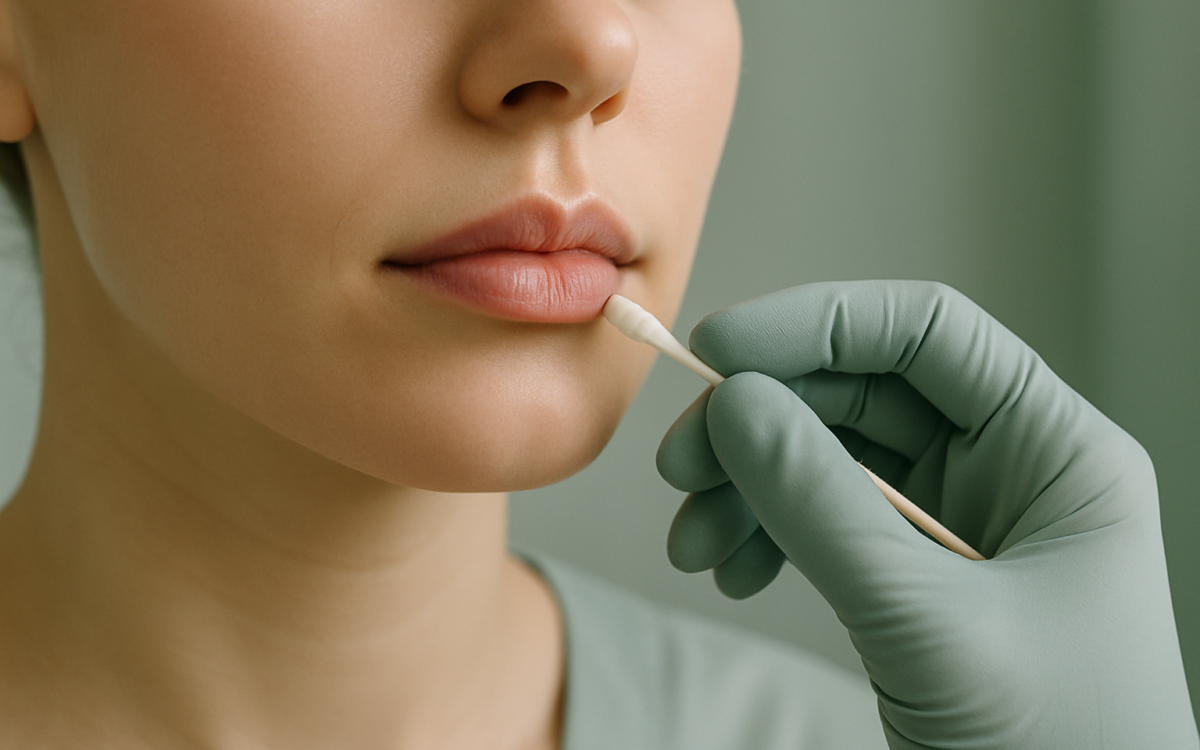
Lips are a fundamental part of our facial features, serving both functional and aesthetic purposes. They enable us to communicate, eat, and express emotions. Yet, lip health often goes overlooked in our everyday wellness routines. Understanding what constitutes ‘standard lips,’ along with their care and common issues, can enhance both appearance and function.
What Are Standard Lips?
Standard lips are often described as having a balanced shape, symmetrical contours, and a healthy color and texture. Typically, they comprise an upper lip, known as the vermilion, and a lower lip, each characterized by their unique shapes and sizes. A person’s genetic background, ethnicity, and age can greatly influence the shape and fullness of lips.
The Anatomy of Lips
Lips consist of several layers, each contributing to their overall health and appearance. The primary components include:
- Skin Layer: The outer layer of the lips is covered with skin, which protects the underlying tissues.
- Mucosa: Beneath the skin is a moist layer, filled with tiny blood vessels, which gives lips their pinkish hue.
- Muscles: Lips are made up of orbicularis oris muscles, allowing for movement and expression.
- Fatty Tissue: This gives volume and prevents lines from forming.
Common Concerns Related to Lips
Several common issues can affect lip health:
- Chapped Lips: A frequent concern, especially in colder months, chapped lips occur when the skin loses moisture and becomes dry and cracked. This can be exacerbated by dehydration, certain medications, and environmental factors.
- Cold Sores: Caused by the herpes simplex virus, cold sores are fluid-filled blisters that can be painful and contagious.
- Lip Dermatitis: This can arise from allergic reactions to cosmetics, toothpaste, or even skin products. Symptoms often include redness, swelling, and irritation.
Lip Care: Maintaining Healthy Lips
Proper lip care is essential for their health and appearance. Here are some effective strategies:
1. Hydration is Key
Drinking adequate water helps maintain moisture levels, preventing chapped lips. Aim for at least eight 8-ounce glasses a day, adjusting based on activity level and climate.
2. Choose the Right Products
Using lip balms that contain hydrating ingredients, such as beeswax, shea butter, or coconut oil, can help lock in moisture. Avoid products with excessive fragrances or flavoring that may irritate sensitive skin.
3. Protect From the Elements
Exposure to wind, sun, and cold can damage lips. Wearing a lip balm with SPF when outdoors and a scarf in cold weather can protect against environmental stressors.
4. Avoid Licking Your Lips
While it may seem soothing momentarily, saliva can evaporate quickly, leading to increased dryness. It’s better to reach for lip balm instead.
When Lips Indicate Underlying Issues
In some cases, changes in lip color or texture can signal deeper health issues. For instance:
- Pale Lips: Can indicate anemia or circulation problems.
- Darkening Lips: May be a sign of certain underlying health conditions such as smoking.
- Cracked Corners: Angular cheilitis can develop from vitamin deficiencies, particularly B vitamins.
When to See a Doctor
If you experience persistent problems with your lips that don’t improve with home care, consider scheduling an appointment with your healthcare provider. Symptoms to watch for include:
- Severe or persistent pain
- Swelling or redness that worsens
- Recurring cold sores
- Unexplained changes in color or texture
Your doctor can help diagnose any issues and recommend suitable treatments. For more information about lip health, you can visit the Mayo Clinic or the NIH.
Conclusion
Lips play a remarkable role in our daily lives, from communication to expression. Understanding what constitutes standard lips, along with maintaining their health, can greatly impact your overall wellbeing. With the right care and attention, you can enjoy smooth, healthy lips that contribute positively to your health and self-esteem.
