
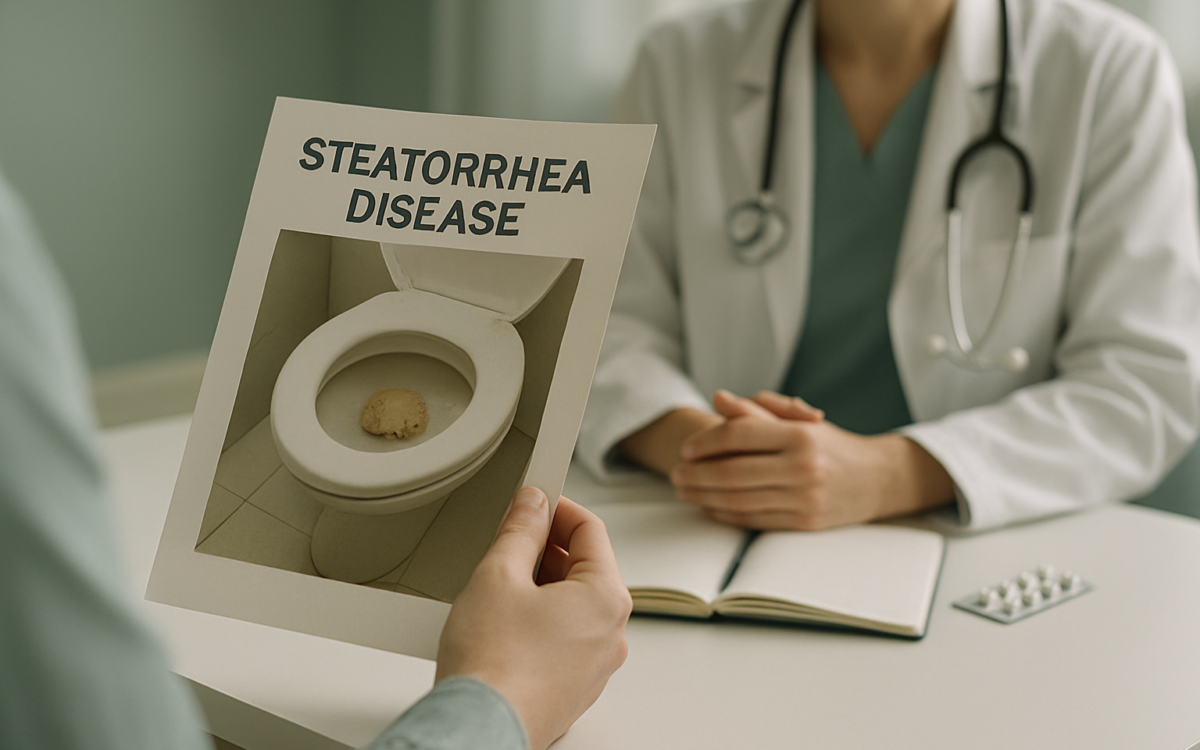
Steatorrhea is a term that refers to the presence of excess fat in the stools, resulting in bulky, greasy, and foul-smelling bowel movements. This condition can be an indicator of several underlying health issues that affect how the body absorbs fat. If you’ve noticed changes in your stools or other digestive symptoms, it’s important to understand what steatorrhea means and what it could signify about your health.
What Causes Steatorrhea?
Steatorrhea can occur due to various reasons, primarily linked to malabsorption disorders. These conditions prevent the body from properly absorbing nutrients from the food we eat. Here are some common causes:
- Celiac Disease: An autoimmune disorder where the ingestion of gluten leads to damage in the small intestine.
- Pankreatic Insufficiency: This condition occurs when the pancreas does not produce enough digestive enzymes, which are crucial for breaking down fats.
- Chronic Liver Disease: Liver conditions like cirrhosis can affect fat metabolism and storage.
- Giardiasis: An infection caused by a parasite that can lead to malabsorption in the intestines.
- Short Bowel Syndrome: This condition results from surgically removing a part of the intestine, reducing its ability to absorb nutrients.
Recognizing the Symptoms
The primary symptom of steatorrhea is the presence of excessively fatty stools. However, there are other related symptoms that can arise depending on the underlying cause:
- Frequent, loose stools
- Abdominal pain or cramping
- Weight loss
- Fatigue
- Nutritional deficiencies
If you find yourself experiencing these symptoms regularly, it’s essential to look into potential causes. Understanding the underlying issue can help guide effective treatment options.
Diagnostic Procedures
If you suspect you have steatorrhea, your healthcare provider may recommend several diagnostic tests to pinpoint the cause. These can include:
- Stool Tests: Your doctor may test your stool for fat content among other substances. This test can confirm the presence of excess fat.
- Blood Tests: These can assess for nutritional deficiencies and check liver and pancreas functionality.
- Imaging Studies: Techniques like ultrasound or CT scans may be used to evaluate the organs involved in digestion.
- Endoscopy: In certain cases, your doctor may suggest an endoscopy to directly visualize the intestines and check for conditions like celiac disease.
Treatment Options for Steatorrhea
Treatment for steatorrhea focuses on addressing the underlying cause. Once the cause is diagnosed, therapies can include dietary adjustments, nutritional supplements, or medications. Here are some common strategies:
- Dietary Changes: Modifying your diet to reduce fat intake or eliminate gluten (in cases of celiac disease) is often one of the first steps.
- Pancreatic Enzyme Supplements: If pancreatic insufficiency is the root cause, taking prescribed enzyme replacements can help improve digestion.
- Nutritional Support: Working with a dietitian may provide you with tailored meal plans to assist with absorption.
- Surgery: In severe cases, surgical options may be considered to correct anatomical issues.
- International Treatment Options: If seeking comprehensive care, patients explore options like treatment in Turkey, where advanced facilities focus on digestive disorders.
Living with Steatorrhea
Managing steatorrhea entails regular monitoring and making informed choices. Though it can seem daunting, many individuals successfully navigate their symptoms through lifestyle modifications and proactive healthcare. Here are some tips for living with steatorrhea:
- Maintain a food diary to identify trigger foods and monitor symptoms.
- Stay hydrated, especially if diarrhea is frequent.
- Keep regular follow-ups with your healthcare provider to manage and adjust treatment as necessary.
- Consider joining support groups or forums to connect with others who understand your experiences.
When to See a Doctor
Any persistent changes in bowel habits or concerning gastrointestinal symptoms should prompt a visit to your healthcare provider. Early intervention can prevent complications and facilitate effective treatment. Seek medical attention if you experience:
- Bloating or severe abdominal pain
- Significant weight loss
- Persistent diarrhea
- Signs of dehydration such as dizziness and dry mouth
- Fatigue or weakness interfering with daily life
Conclusion
Steatorrhea is not just a symptom; it’s a signal from your body that deserves attention. By understanding its causes, symptoms, and treatment options, you can navigate this condition more effectively. Remember, consultation with your healthcare provider is key to uncovering the underlying issues and finding the right management plan for you.
