
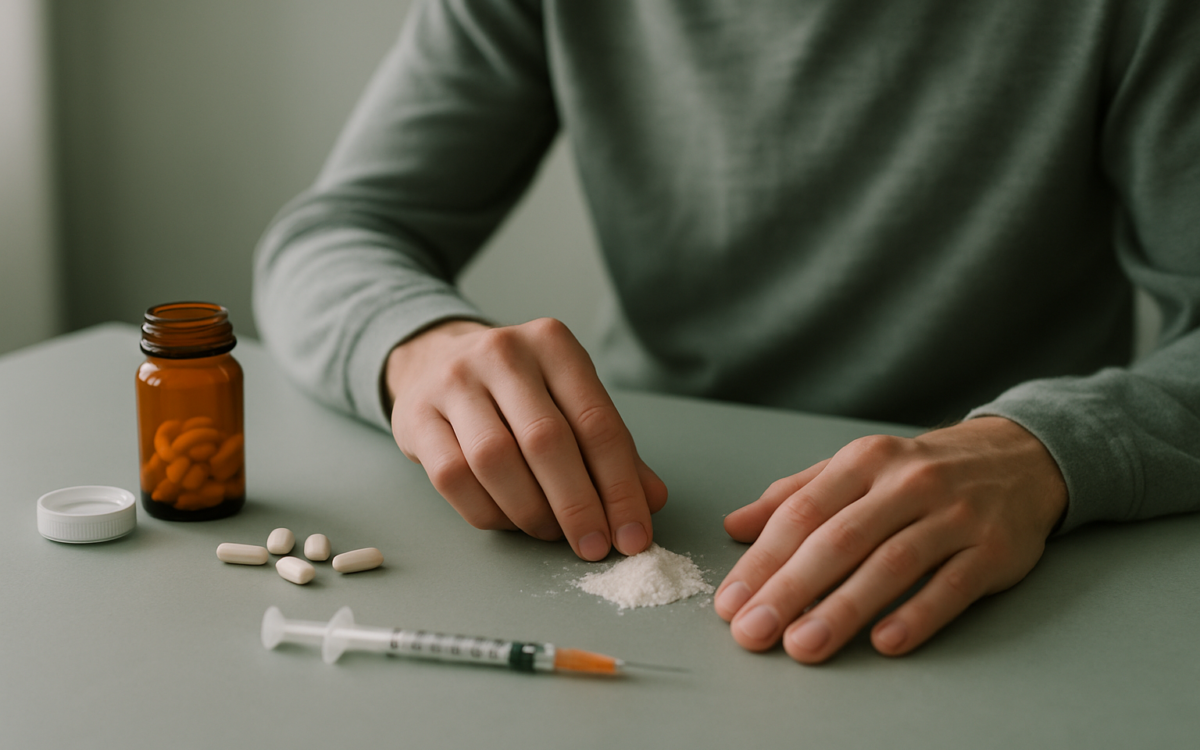
Substance use disorder (SUD) can be a challenging and misunderstood condition that affects millions of people and their families. It refers to a medical condition characterized by an inability to stop using a substance despite negative affects on one’s life. Understanding the signs, treatments, and resources available is crucial for anyone affected by this disorder. This guide aims to shed light on the complexities of SUD and offer support for those seeking help.
What is Substance Use Disorder?
Substance use disorder is a complex condition that encompasses a range of behaviors associated with the consumption of substances like alcohol, prescription medications, or illegal drugs. This disorder can lead to significant health issues and affect various aspects of life, including relationships, employment, and overall well-being.
The Diagnostic and Statistical Manual of Mental Disorders (DSM-5) classifies SUD into four categories, which include:
- Impaired control: Taking larger amounts of a substance than intended or wanting to cut down without success.
- Social problems: Continued use of the substance despite facing social or interpersonal issues.
- Risky use: Using the substance in dangerous situations or taking risks that could lead to harm.
- Pharmacological criteria: Experiencing tolerance (needing more of the substance for the same effect) or withdrawal symptoms.
Signs and Symptoms
Recognizing the signs of substance use disorder is the first step towards seeking help. Common symptoms can vary depending on the substance used but may include:
- Changes in behavior or personality
- Neglecting responsibilities at work, school, or home
- Loss of interest in activities previously enjoyed
- Physical health problems, like weight loss or poor hygiene
- Legal issues related to substance use
If you or someone you know exhibits these signs, it may be related to substance use disorder. Early intervention is often a key factor in effective treatment.
Treatment Options
Treatment for substance use disorder is not a one-size-fits-all approach and may include several methods, such as:
Behavioral Therapies
Behavioral therapies are a vital component of treatment and can help individuals change their attitudes and behaviors related to substance use. Cognitive-behavioral therapy (CBT) and motivational interviewing are common techniques.
Medication-Assisted Treatment
In some cases, medications may be used to manage cravings and withdrawal symptoms. Medications such as buprenorphine and methadone are commonly prescribed for opioid addiction, while naltrexone can be helpful in treating alcohol dependence.
Support Groups
Support groups, such as Alcoholics Anonymous (AA) or Narcotics Anonymous (NA), can offer community support and shared experiences, which can be essential for recovery.
Seeking International Treatment
For those considering treatment options outside their home country, international patient services provide resources to navigate healthcare systems abroad. Seeking treatment in different countries can sometimes offer access to specialized care or programs that may not be available locally.
Traveling for treatment can also allow individuals to start fresh in an environment free from old habits. However, it’s essential to research thoroughly and consult healthcare professionals to make informed decisions.
Barriers to Treatment
Despite the understanding of substance use disorder, several barriers can hinder individuals from seeking treatment. These may include stigmas surrounding addiction, lack of access to affordable care, or fear of judgment. Additionally, some individuals may underestimate the severity of their condition, thinking they can manage it alone.
Addressing these barriers is crucial for improving access to care. Talking openly about substance use disorder and educating ourselves and others can help in reducing stigma and misunderstanding.
Moving Forward: Recovery and Wellness
Recovery from substance use disorder is a journey that can take time, but it is achievable. Building a strong support network, engaging in healthy activities, and staying committed to treatment can significantly enhance the chance of lasting recovery. Connecting with counselors, participating in support groups, and practicing self-care are all essential steps on the road to wellness.
When to See a Doctor
If you suspect you or a loved one may be struggling with substance use disorder, it is important to seek medical advice. Warning signs include deterioration in mental or physical health, and inability to control substance use. A healthcare professional can conduct a thorough assessment and recommend appropriate treatment options.
Conclusion
Substance use disorder can be a daunting situation, but understanding it and recognizing the path to recovery can lead to positive outcomes. With the right support, resources, and treatments, individuals can reclaim their lives and health. If you or someone you know is facing this challenge, don’t hesitate to reach out for help.
