
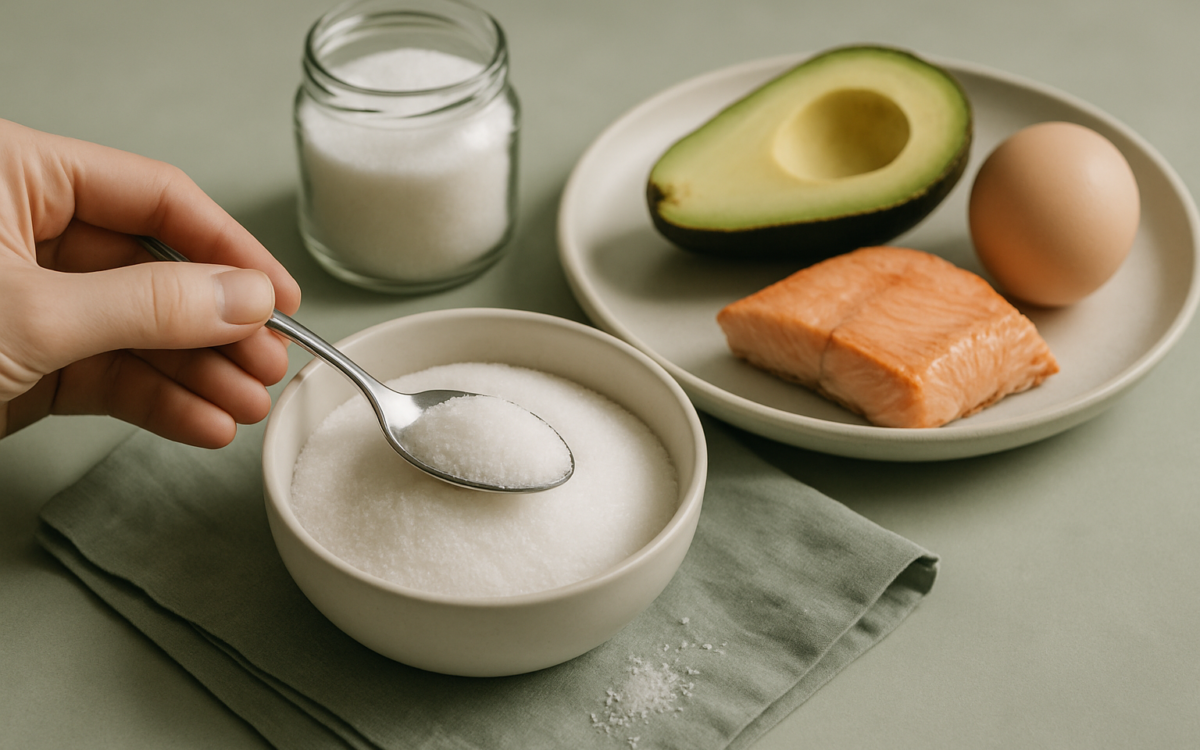
The ketogenic diet, commonly known as the keto diet, is a low-carb, high-fat eating plan that has gained significant popularity for its potential benefits in weight loss and blood sugar management. One of the challenges many face while following this diet is finding ways to satisfy their sweet tooth without derailing their progress. Sweeteners play a vital role in this journey, but choosing the right ones can be confusing. This article breaks down the options available, the benefits and drawbacks of each, and how to use them wisely in your keto lifestyle.
What Is a Keto Diet?
The keto diet is designed to put your body into a state of ketosis, where it burns fat for fuel instead of carbohydrates. To achieve this, you typically consume only about 5-10% of your daily calories from carbs, 70-80% from fats, and the rest from protein. This significant reduction in carbohydrate intake can make traditional sweets off-limits, leading many to seek out suitable alternatives. Understanding the different types of sweeteners available can help you maintain a flavorful diet while staying within your nutritional goals.
Types of Sweeteners for Keto
There are various types of sweeteners that can fit into a keto diet. They primarily fall into two categories: natural and artificial sweeteners.
Natural Sweeteners
Natural sweeteners are derived from plants and typically have fewer or no calories. Some popular natural sweeteners for keto include:
- Stevia: Extracted from the leaves of the Stevia rebaudiana plant, stevia is a highly concentrated sweetener with zero calories and carbs. It’s about 50-300 times sweeter than sugar, so a little goes a long way.
- Erythritol: A sugar alcohol found in many fruits, erythritol contains nearly zero calories and doesn’t spike blood sugar levels. It can be used in baking and cooking, making it a favorite choice among keto dieters.
- Monk Fruit Extract: This sweetener comes from monk fruit and has zero calories and carbs. It’s also 100-250 times sweeter than sugar. Look for monk fruit blended with erythritol for a balanced sweetness.
Artificial Sweeteners
Artificial sweeteners are synthetic sugar substitutes. While they can be effective in adding sweetness to foods, there are some concerns regarding their long-term health effects. Common artificial sweeteners include:
- Aspartame: Found in many diet sodas and sugar-free products, aspartame has been linked to various health concerns. It’s best to consume it in moderation.
- Sucralose: This is a chlorinated sugar molecule that is about 600 times sweeter than sugar and contains no calories. While it’s a popular choice, some research suggests it may impact gut health.
Evaluating Sweetener Impact on Health
While sweeteners can help satisfy cravings, it’s essential to consider how these options fit into your overall health. Some may have surprising effects on your body. For instance:
- Blood Sugar Levels: Natural sweeteners like stevia and erythritol typically do not affect blood sugar levels, making them suitable for individuals with diabetes or those monitoring their glucose.
- Digestive Issues: Some sugar alcohols like erythritol can cause digestive discomfort in large quantities. Experiment with small amounts to see how your body reacts.
- Cravings and Satiety: Some research indicates that sweeteners may maintain a desire for sugary foods, leading to cravings. Mindful consumption can help manage this.
How to Use Sweeteners in Keto Cooking
When it comes to cooking and baking on a keto diet, using sweeteners requires a bit of adjustment. Here are some tips:
- Check Ratios: Sweeteners vary in sweetness potency. For example, if a recipe calls for one cup of sugar, you may need only a small amount of stevia, monk fruit, or erythritol. Always check conversion charts.
- Combine Sweeteners: Mixing natural sweeteners can often yield better flavor and texture, reducing any aftertaste that can accompany certain alternatives.
- Experiment: Different sweeteners can behave differently in cooking. For example, erythritol may crystallize when it cools, affecting the texture of baked goods. Experiment with various options to find what works best for you.
Assessing Potential Risks and Concerns
While sweeteners can be a great addition to your keto diet, it’s vital to assess potential risks:
- Allergies and Sensitivities: Some individuals may have allergies to specific sweeteners. Always check the ingredient labels.
- Long-term Effects: The long-term effects of many artificial sweeteners are still debated. Research is ongoing, and some individuals may choose to avoid them altogether.
- Moderation is Key: Even healthy sweeteners can contribute to excess calorie consumption if used in large amounts. Monitor your intake to ensure balance.
When to See a Doctor
If you experience digestive issues, allergic reactions, or any other adverse effects from sweeteners, it might be time to consult with a healthcare provider. They can help assess your diet and make suggestions tailored to your needs.
Conclusion
Sweeteners can be valuable tools for those on a keto diet, providing ways to enjoy sweet flavors without breaking your carb limit. By understanding the options available and using them wisely, you can make informed decisions that support your health goals. Always remember to listen to your body and consult a healthcare provider as needed to ensure you’re on the right track.
