
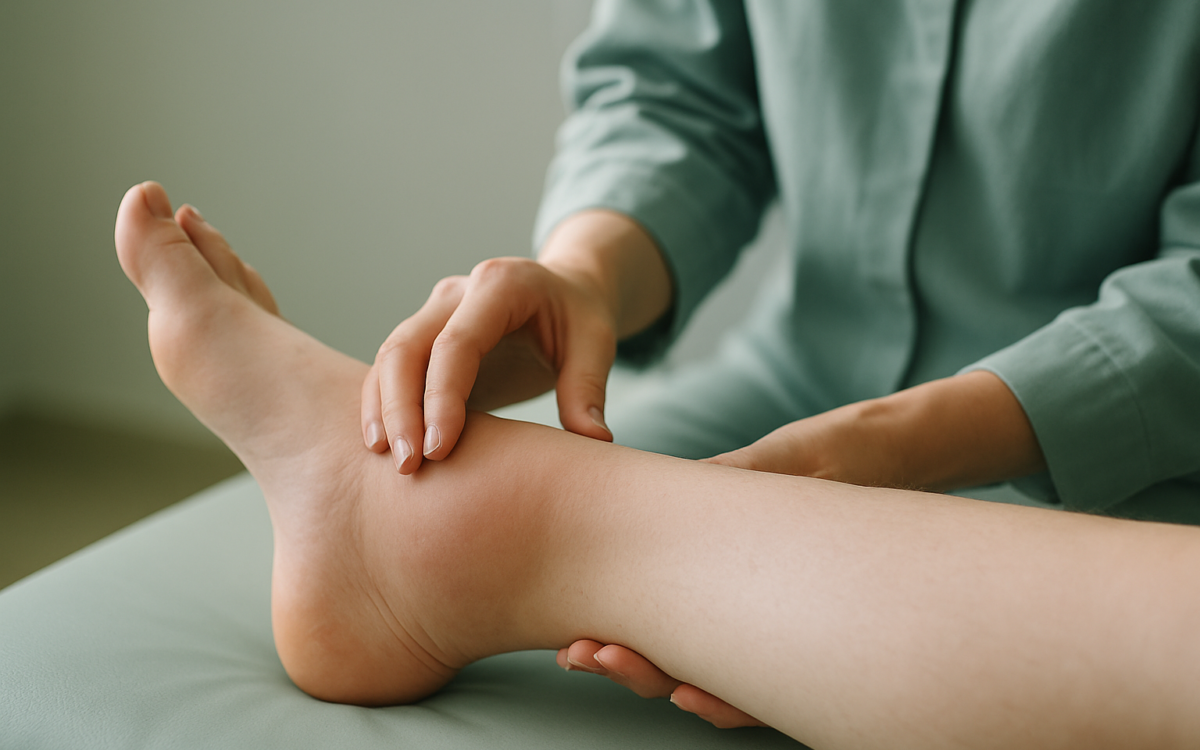
Many people experience swollen ankles at some point in their lives. Whether it’s due to long hours of standing, a recent injury, or an underlying health issue, understanding why your ankles swell and how to address it can help you feel more comfortable and informed.
What Causes Swollen Ankles?
Swollen ankles, medically known as pedal edema, occur when excess fluid builds up in the tissues of the ankle. This condition can arise from various factors, such as:
- Injury: Ankle injuries, like sprains or fractures, can lead to swelling as the body responds to trauma.
- Prolonged Standing or Sitting: Staying in one position for extended periods can cause fluid to pool in the lower parts of your legs.
- Obesity: Extra weight can put more pressure on your legs and contribute to fluid retention.
- Pregnancy: Hormonal changes and increased fluid volume during pregnancy can lead to swollen ankles.
- Medical Conditions: Conditions like heart, kidney, or liver disease can interfere with your body’s ability to manage fluid levels, leading to swelling.
Recognizing the Symptoms
Swollen ankles are typically noticeable. Common symptoms include:
- A visible enlargement of the ankle area
- Tightness or discomfort when wearing shoes
- A change in the appearance of the skin, which may look shiny or stretched
- Pitting edema, where pressing on the swollen area leaves an indent
These symptoms can vary in severity, depending on the underlying cause and how long the swelling persists.
Home Remedies for Swollen Ankles
If you’re dealing with swollen ankles, you might consider trying a few home remedies to reduce the discomfort:
- Elevation: Lifting your legs can help reduce swelling. Try propping your feet up while sitting or lying down.
- Compression: Wearing compression stockings or wraps can provide support and help prevent fluid from building up.
- Cold Packs: Applying a cold pack for about 15-20 minutes can soothe inflammation and reduce swelling.
- Hydration: Keeping hydrated can help your body manage fluids better. Drinking plenty of water might seem counterintuitive, but it can actually help reduce swelling.
- Movement: Regular movement and exercise can help improve circulation and prevent fluid retention.
While these remedies offer relief, they are not substitutes for professional medical treatment.
When to Seek Medical Attention
While many cases of ankle swelling are benign and can be managed at home, certain situations warrant a visit to your healthcare provider. Contact a doctor if you experience:
- Swelling that does not improve with home care
- Pain or tenderness that is severe
- Swelling in both legs or in combination with other symptoms like shortness of breath, chest pain, or fever
- Redness or heat in the ankle area
These symptoms may indicate a more serious underlying condition, such as deep vein thrombosis (DVT) or heart failure. For more information about symptoms and their potential causes, refer to resources such as the CDC or Cleveland Clinic.
Possible Medical Treatments for Swollen Ankles
If your doctor determines that the swelling is due to an underlying medical condition, treatment options may include:
- Medications: Diuretics may be prescribed to help reduce fluid build-up, while other medications may address specific health issues.
- Physical Therapy: A therapist can recommend exercises to improve mobility and strengthen the muscles supporting the ankle.
- Surgery: In rare cases, surgical intervention may be necessary to address issues such as severe varicose veins or an injury affecting circulation.
Your doctor will develop a treatment plan that aligns with your individual needs and circumstances.
Prevention Tips for Reducing Ankle Swelling
Taking steps to prevent swollen ankles can help you maintain healthier legs and feet. Here are some easy prevention tips:
- Move Regularly: Make it a point to get up and move around every hour, especially if you have a job that requires long periods of sitting or standing.
- Maintain a Healthy Weight: A balanced diet and regular exercise can keep your weight in check, ultimately reducing the strain on your legs.
- Wear Supportive Footwear: Choose shoes that provide adequate support and fit well to minimize stress on your ankles.
- Limit Salt Intake: Reducing salt can help prevent fluid retention in the body.
- Monitor Your Health: Regular check-ups with your healthcare provider can help you stay ahead of any potential health issues, including those that might affect your circulation.
Incorporating these tips into your daily routine can help you combat ankle swelling effectively.
Conclusion
Understanding the causes and remedies for swollen ankles is crucial to managing this common issue. While many cases can be treated at home with simple remedies, it’s essential to remain vigilant and know when to seek medical attention. By incorporating preventative measures into your daily routine, you can reduce the likelihood of swollen ankles and maintain better overall health.
