
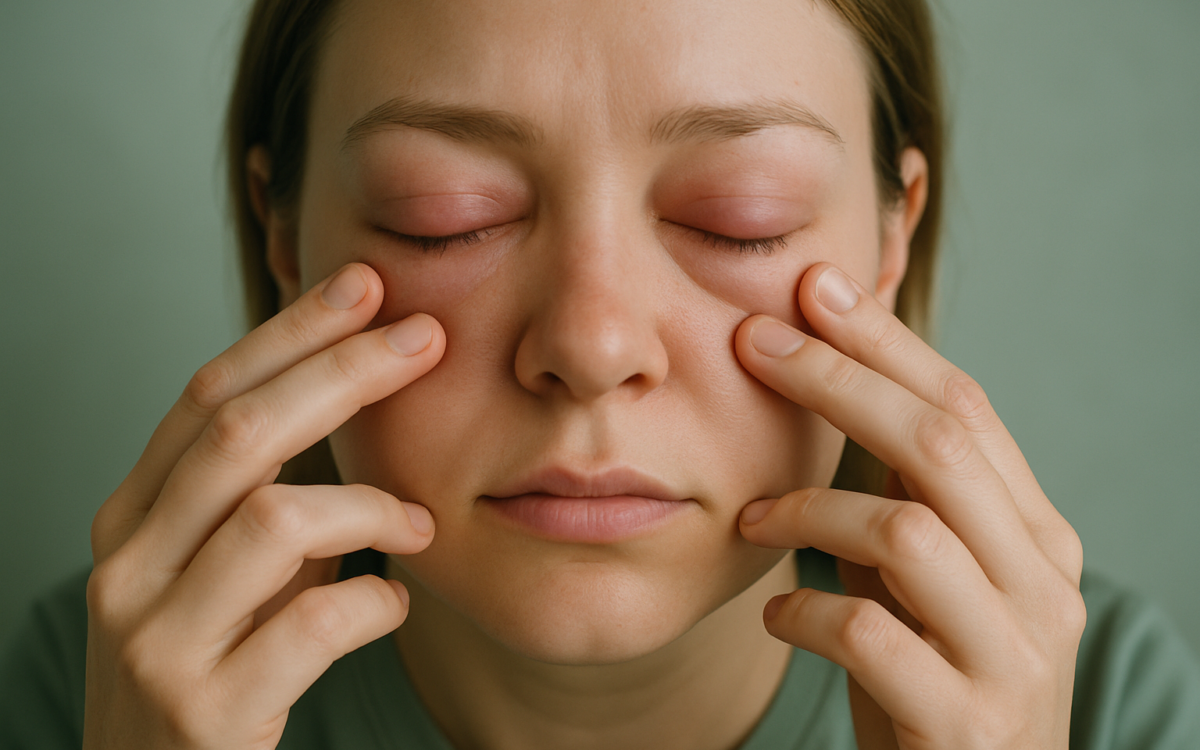
Swollen eyes are a common complaint that can arise for many reasons. Whether it’s due to allergy season, a lack of sleep, or more serious medical conditions, seeing puffiness around the eyes can be alarming. Understanding the causes and potential remedies can help you manage this frustrating condition and restore comfort to your daily life.
Common Causes of Swollen Eyes
Several factors can lead to swollen eyes, ranging from benign to serious. Here are some of the most common culprits:
- Allergies: Allergic reactions to pollen, pet dander, dust, or certain foods can cause the eyes to swell. When allergens enter the body, they trigger histamine release, leading to inflammation and puffiness.
- Infections: Conjunctivitis, or pink eye, is an infection that affects the outer layer of the eye. Bacterial, viral, or allergic conjunctivitis can cause swelling, redness, and discomfort.
- Injury: Any trauma or injury to the eye area can result in swelling. This could be from a direct blow, a fall, or even excessive rubbing of the eyes.
- Fluid Retention: Various factors, such as consuming too much salt or hormonal changes, can lead to fluid buildup in the body, including around the eyes.
- Sleep Issues: Lack of sleep or poor quality sleep can cause the eyes to appear swollen and tired. Insufficient rest affects blood circulation and can lead to puffiness.
Symptoms Associated with Swollen Eyes
Swollen eyes might be accompanied by other symptoms depending on the underlying cause. Here are some common signs to watch for:
- Redness: The affected area may appear red or irritated, especially if there is an allergy or infection.
- Itching or Burning: Allergy-related swelling often brings discomfort, including itching or a burning sensation.
- Tearing: Increased tear production can occur, particularly with allergies or infections.
- Discharge: In cases of conjunctivitis, there may be a discharge from the eye that may be clear, yellow, or green.
Home Remedies for Swollen Eyes
If you’re dealing with swollen eyes, there are several home remedies that may provide relief:
- Cold Compress: Applying a clean, cold compress to the eyes for 10-15 minutes can help reduce swelling. The coldness constricts blood vessels and diminishes puffiness.
- Tea Bags: Used tea bags, especially green or chamomile tea, can soothe swollen eyes. The tannins in the tea help reduce inflammation.
- Hydration: Drink plenty of water to keep your body hydrated and help reduce fluid retention, which can contribute to swelling.
- Limit Sodium Intake: Reducing salt in your diet can help decrease water retention and swelling in the body, including around the eyes.
When Allergies Are the Cause
Allergies are a significant reason for swollen eyes, and addressing them is critical for relief. Consider the following steps:
- Identify Triggers: Keep a diary of what you eat and your environment to pinpoint specific allergens.
- Avoid Allergens: Once you’ve identified what triggers your allergies, try to avoid those substances as much as possible.
- Over-the-Counter Antihistamines: Non-prescription antihistamines can alleviate allergy symptoms, including puffiness and irritation around the eyes.
If you suspect allergies are responsible, consult with an allergist for further evaluation and treatment options.
Swollen Eyes and Underlying Health Conditions
Occasionally, swollen eyes can signal a more serious health problem. Conditions such as thyroid dysfunction or kidney disorders can manifest through eye swelling. It’s essential to stay alert to other symptoms that may occur alongside swollen eyes, such as:
- Unexplained weight changes
- Persistent fatigue
- Changes in urination
If these symptoms manifest, it’s vital to seek medical advice for further evaluation. For instance, diseases like Graves’ disease, which affects thyroid function, can lead to significant swelling of the eyes and surrounding tissues.
When to See a Doctor
While swollen eyes are often benign, certain circumstances warrant a visit to a healthcare provider:
- If swelling persists beyond a few days without improvement.
- If you experience severe pain, vision changes, or significant discomfort.
- If swelling is accompanied by other symptoms like fever or a rash.
Your doctor might conduct tests to determine the underlying cause of the swelling and recommend appropriate treatments.
Conclusion
Swollen eyes can emerge from various sources, including allergies, infections, and lifestyle factors. By understanding the causes and available remedies, you can take steps to reduce swelling and promote eye health. As always, consult your doctor if symptoms persist or worsen to ensure proper diagnosis and treatment.
