
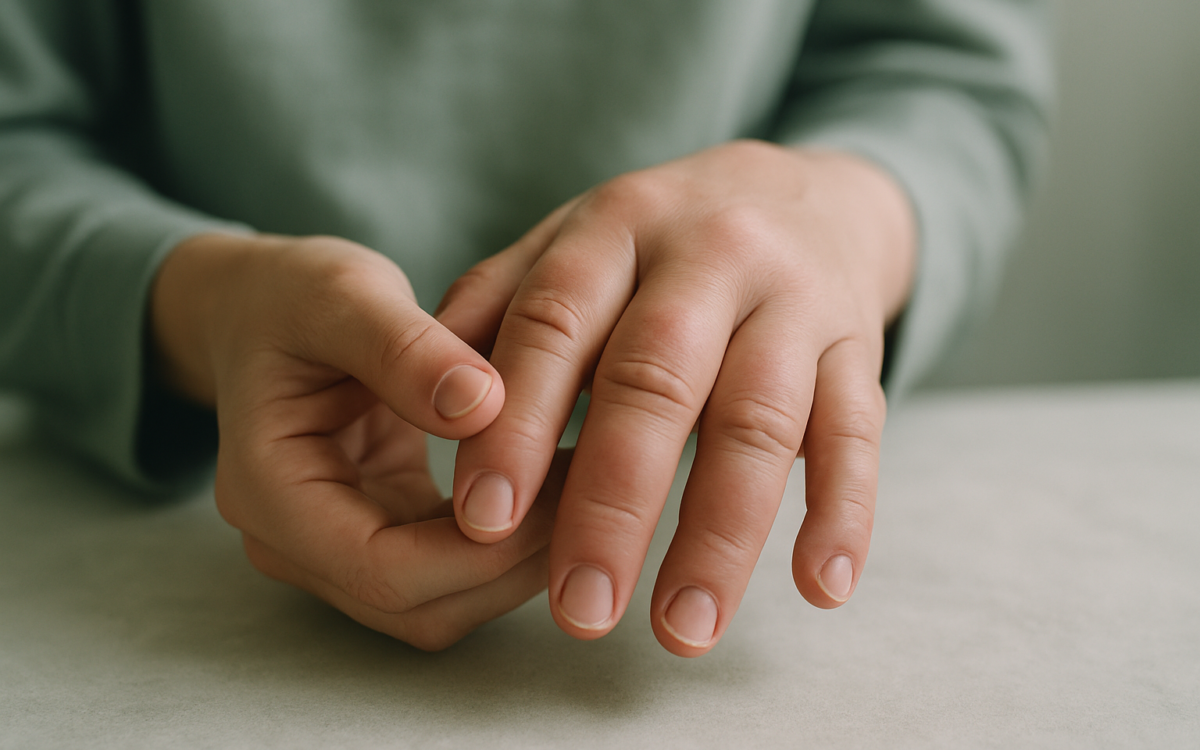
Many people experience swollen fingers at some point in their lives. It can be alarming to notice this sudden change in your body, as well as uncomfortable. Swelling can occur due to a variety of reasons, from minor issues to more serious medical conditions. Understanding the potential causes and options for relief can help you navigate this common problem.
What Causes Swollen Fingers?
Swollen fingers can result from a variety of factors, each with different implications. Understanding these causes can assist you in identifying the problem.
- Fluid Retention: One of the most common causes of swollen fingers is fluid retention, which may occur due to hot weather, excessive salt intake, or hormonal changes.
- Injury: A sprain, fracture, or other injury can lead to localized swelling. This is often accompanied by pain and bruising.
- Arthritis: Conditions like osteoarthritis or rheumatoid arthritis can cause inflammation and swelling in the joints of the fingers. This swelling is usually persistent and may also lead to stiffness.
- Allergic Reactions: Allergies to certain foods, plants, or insect bites can cause swelling. This type of swelling may be accompanied by redness and itching.
- Infections: A bacterial infection in the fingers, known as cellulitis, can also result in swelling. An infected finger may be warm to the touch and painful.
Common Symptoms of Finger Swelling
When fingers swell, you may experience various symptoms in addition to the visible swelling. Here are some common signs:
- Pain or Tenderness: Swollen fingers can be painful, especially if caused by an injury or infection.
- Limited Mobility: You may find it difficult to move or grip objects due to stiffness and swelling.
- Change in Color: Swollen fingers may appear red or feel warm compared to surrounding areas, particularly if infection is present.
Home Remedies and Treatments for Swollen Fingers
Before exploring home remedies, it’s important to monitor your symptoms. You can consider the following methods for managing swelling.
R.I.C.E Method
If the swelling is acute and possibly caused by an injury, you can use the R.I.C.E method:
- Rest: Avoid using the affected hand as much as possible.
- Ice: Apply a cold pack wrapped in a cloth to the swollen area for 20 minutes at a time.
- Compression: Use a compression bandage to help reduce swelling.
- Elevation: Keep your hand raised above the level of your heart to minimize swelling.
Lifestyle Adjustments
Making small changes to your lifestyle can also help reduce finger swelling:
- Stay Hydrated: Drinking enough water helps reduce the likelihood of fluid retention.
- Monitor Salt Intake: Reducing sodium in your diet may help with swelling, especially if you’re prone to fluid retention.
- Warm Soaks: Soaking your fingers in warm water with Epsom salts may help reduce inflammation.
When to See a Doctor
Most cases of swollen fingers are harmless and can be treated at home; however, you should consult a doctor if:
- The swelling persists for more than a few days.
- You notice severe pain or warmth in the swollen area.
- There is a visible change in skin color or appearance.
- You develop other symptoms, such as a fever or chills.
- The swelling is accompanied by joint stiffness that limits mobility.
Seeking medical advice can help diagnose any underlying issues that may need treatment.
Managing Chronic Conditions
For those with chronic health issues, swollen fingers may indicate a flare-up of a condition such as arthritis or kidney disease. Regular check-ups and open communication with your healthcare provider can help manage these conditions effectively and minimize episodes of swelling.
Preventative Measures
While some causes of swollen fingers may be unavoidable, there are measures you can take to prevent incidents:
- Regular Exercise: Keeping active promotes better circulation, which can help reduce swelling.
- Healthy Diet: Eating a balanced diet rich in fruits, vegetables, and whole grains supports overall health and can reduce inflammation.
- Avoid Prolonged Immobilization: If you are using the computer or doing a repetitive task, take breaks to stretch and relax your hands.
Understanding the reasons behind swollen fingers can equip you with the knowledge needed to address this common issue. While most cases are benign and manageable with home care, being attentive to your body’s cues and knowing when to seek professional help is vital in maintaining your health.
