
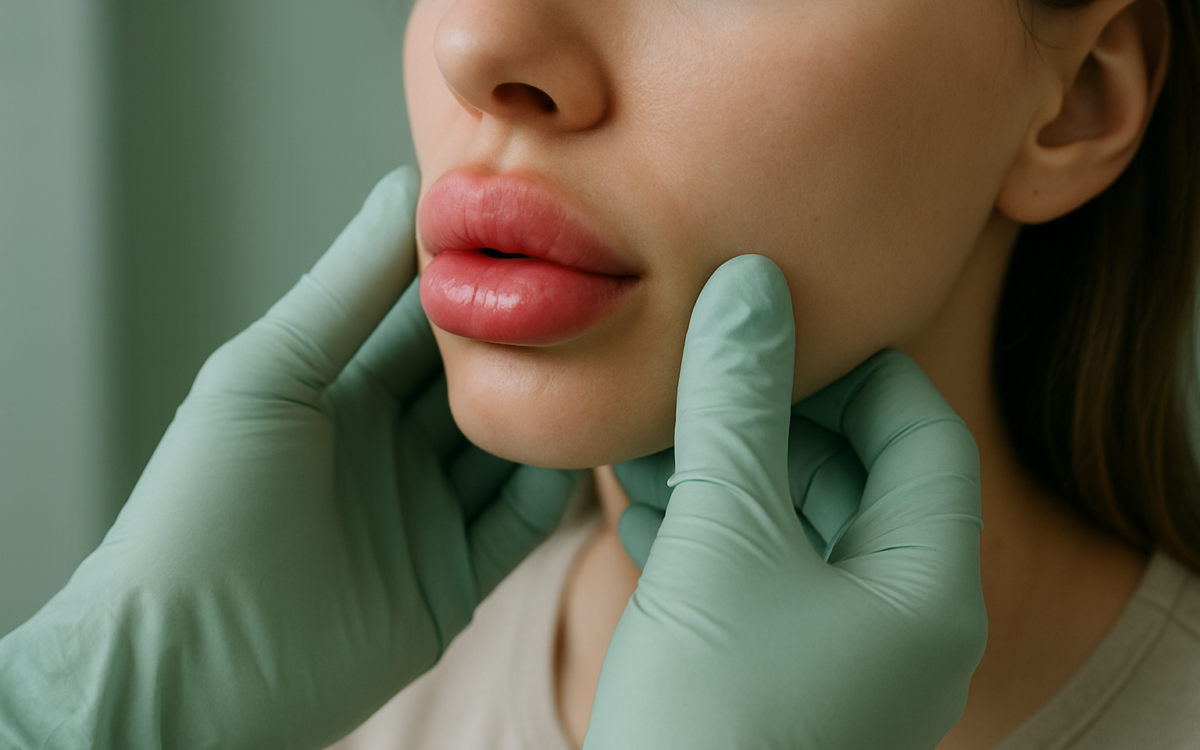
Swollen lips can be an unexpected and often alarming condition experienced by many people. They might occur suddenly or develop gradually, coming along with a variety of other symptoms. Understanding the reasons behind swollen lips can not only ease your mind but also guide you in managing the situation, whether through home remedies or medical treatment.
What Causes Swollen Lips?
Several factors can lead to swollen lips. Here, we explore some of the most common causes:
- Allergic Reactions: Allergies to foods, medications, or insect stings often result in a swollen reaction. Common allergens include nuts, seafood, and latex.
- Infections: Bacterial or viral infections can cause lip swelling. For example, cold sores caused by the herpes simplex virus often result in inflammation.
- Injury or Trauma: Accidental bites or impacts can lead to swelling as the body responds to the injury.
- Angioedema: This condition involves swelling beneath the skin and can be triggered by allergens, stress, or certain medications.
- Dermatitis: Skin conditions like eczema or contact dermatitis can cause inflammation and swelling of the lips.
- Dehydration: Insufficient hydration may result in dry and swollen lips. It’s essential to maintain good hydration.
Symptoms Accompanying Swollen Lips
Swollen lips can come with other symptoms that vary based on the underlying cause. Some of these symptoms include:
- Itching or burning sensation
- Redness in the area
- Pain or discomfort
- Cracking or dryness
- Fever, if accompanied by infection
Home Remedies for Swollen Lips
Many instances of swollen lips may not require medical treatment. Here are some home remedies that can provide relief:
- Cold Compress: Applying a cold compress can help reduce swelling and numb any discomfort. Just be sure to wrap ice in a cloth to protect your skin.
- Aloe Vera: Known for its soothing properties, applying aloe vera gel can help calm inflammation and promote healing.
- Hydration: Drinking plenty of water can alleviate dehydration-related swelling. Consider drinking herbal teas as well for extra hydration.
- Honey: Honey has anti-inflammatory properties and can be applied gently to the lips for soothing effects.
Medical Treatments for Swollen Lips
If home remedies don’t relieve the swelling or if the cause is serious, it may be necessary to seek medical assistance. Here are some treatments your doctor may recommend:
- Antihistamines: If the swelling is due to allergies, over-the-counter antihistamines may help reduce symptoms.
- Topical Corticosteroids: These can alleviate inflammation and are often prescribed for allergic reactions or eczema.
- Antibiotics: In case of bacterial infections, your doctor might prescribe antibiotics to help fight off the infection.
- Oral Medications: For severe cases of angioedema or allergic reactions, more potent medications may be necessary.
Considering International Treatment Options
For individuals looking for specialized treatment for swollen lips, especially due to cosmetic concerns or rare allergic reactions, exploring international patient services might be a viable option. Many countries offer advanced medical solutions that can assist with both diagnosis and treatment, providing a broader spectrum of choices.
When to See a Doctor
If you experience swollen lips accompanied by other concerning symptoms, it is essential to consult a healthcare provider. Seek immediate medical attention if:
- You have difficulty breathing or swallowing.
- The swelling spreads rapidly or occurs alongside a rash.
- You experience severe pain.
- Symptoms persist beyond a couple of days without improvement.
- You have a known history of allergies or have had a severe reaction in the past.
Conclusion
Swollen lips can arise from various causes, ranging from minor issues to more serious conditions. Understanding the common triggers and treatment options available can help you address any concerns confidently. Remember to consult your healthcare provider for personalized advice and care.
