
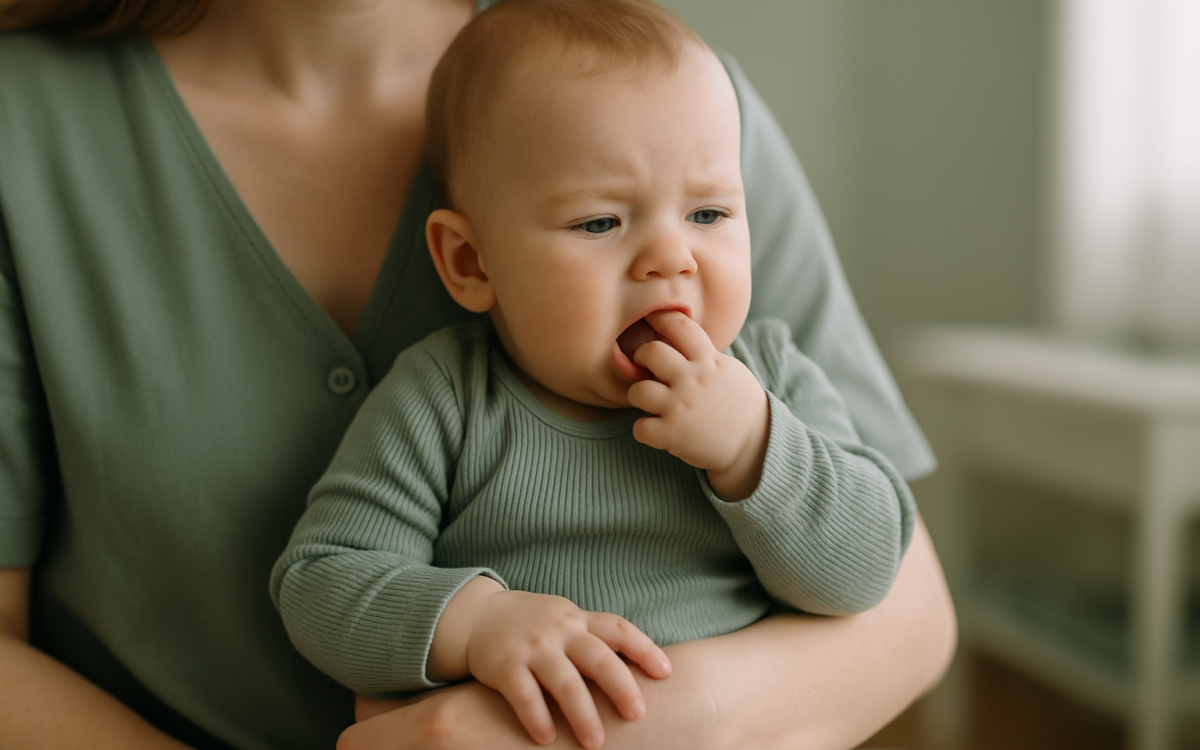
Teething is a significant milestone in a baby’s development, often accompanied by various symptoms that can be challenging for both the infant and the parents. Many caregivers wonder whether teething can cause diarrhea. Understanding this connection requires a closer look at teething, its symptoms, and how they may or may not relate to gastrointestinal issues.
What is teething?
Teething is the process of primary teeth emerging through the gums. This typically begins around six months of age but can vary widely—some infants may start teething as early as three months or as late as one year. The first teeth usually to appear are the lower central incisors, followed by the upper central incisors. While some children may experience little discomfort, others endure significant pain and distress during this process.
Common symptoms of teething
As a baby’s teeth begin to push through the gums, several symptoms may arise, including:
- Increased drooling: Many infants will produce more saliva during teething.
- Chewing on objects: Babies often seek relief by chewing on toys, fingers, or anything they can find.
- Gum sensitivity: The gums may appear swollen or tender.
- Irritability: The discomfort caused by teething can lead to fussiness and trouble sleeping.
- Changes in appetite: Some babies may refuse to eat due to gum pain.
Does teething cause diarrhea?
Parents frequently report that their infant develops diarrhea during teething, but current research provides mixed insights on this issue. While some caregivers draw a connection between teething and gastrointestinal symptoms, it is essential to consider that teething may not be the root cause of diarrhea.
According to the National Institutes of Health, studies suggest that while teething may cause minor disturbances in a child’s gastrointestinal tract, significant diarrhea (loose or watery stools) is unlikely to be directly caused by the teething process itself. Instead, any changes in stool consistency may be linked to the increased drooling that occurs during teething, which can lead babies to swallow more saliva, or they may pick up germs from excessive mouthing of toys and objects.
Other possible causes of diarrhea
If your baby experiences diarrhea during teething, it is crucial to explore other potential causes, including:
- Diet changes: Introduction of new foods can lead to changes in bowel movements.
- Infections: Viral or bacterial infections, such as rotavirus or norovirus, are common causes of diarrhea in infants and toddlers.
- Food allergies: Some babies may react to particular foods, resulting in gastrointestinal upset.
- Antibiotics: If your child has been prescribed antibiotics, these can alter gut flora, potentially leading to diarrhea.
When teething symptoms signal a concern
It’s essential for parents to monitor their child’s overall health during the teething process. While mild symptoms like increased drooling and irritability are common, seek medical advice if you notice:
- Persistent diarrhea lasting more than a few days.
- High fever (over 101°F or 38.3°C).
- Blood in the stool.
- Signs of dehydration: reduced urine output, dry mouth, or unusual lethargy.
Managing teething discomfort
While the teething process can be challenging, there are several strategies to help soothe your baby’s discomfort:
- Teething rings: Chilled (not frozen) teething rings can provide relief.
- Cold washcloths: Let your baby chew on a clean, wet washcloth stored in the refrigerator.
- Gentle massage: Gently rub your baby’s gums with a clean finger.
- Pain relievers: Consult your pediatrician before giving any over-the-counter pain relievers.
When to see a doctor
If you’re concerned about your child’s health and the symptoms they’re experiencing, it’s always a good idea to consult with a healthcare professional. You should reach out to your child’s pediatrician under the following circumstances:
- If diarrhea persists for more than a couple of days.
- If your child exhibits signs of dehydration.
- If symptoms appear severe or unmanageable.
Conclusion
Teething is a normal part of a child’s development, but its symptoms can be distressing for both infants and their parents. While many families report a connection between teething and diarrhea, it is crucial to remember that significant gastrointestinal issues are unlikely to arise solely from teething. Always keep an eye on your child’s overall health, be mindful of new symptoms, and don’t hesitate to seek medical advice if you have concerns. For more information on teething and child health, consider resources from the World Health Organization or the Mayo Clinic.
