
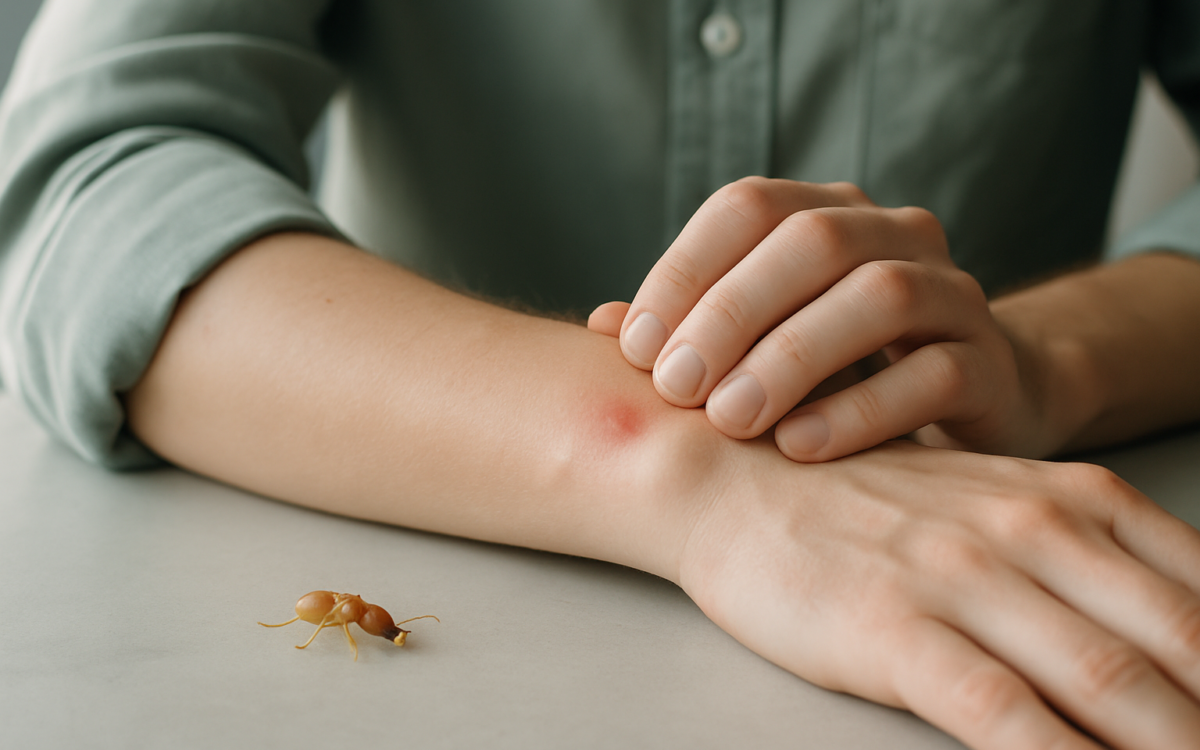
Termites are often viewed as destructive pests that can wreak havoc on homes and buildings. They are best known for their ability to chew through wood, causing significant structural damage. However, many people wonder about their interaction with humans. Do termites bite? This article will clarify the facts about termite behavior and whether they pose any bite risk to people.
What Are Termites?
Termites are social insects that belong to the order Blattodea, which also includes cockroaches. There are more than 2,600 known species of termites worldwide, and they play a crucial role in the ecosystem by breaking down cellulose, which is found in wood and plants. Termites mainly feed on dead and decaying plant material, contributing to soil formation and nutrient recycling.
Do Termites Bite Humans?
While termites are insects that can bite, they do not pose a risk to human health like some other pests. Most termites feed exclusively on wood and plant matter. The reason for this is that their digestive systems are designed to break down cellulose, a substance that makes up the cell walls of plants. Therefore, they are primarily interested in wood rather than flesh.
However, certain species of termites, such as the Formosan subterranean termites, have been observed to bite when threatened. Their bite can be mildly painful, but it is typically not adverse or injurious to a healthy human. Think of their bites more as a defensive mechanism rather than an act of aggression.
What to Expect from a Termite Bite
If you are bitten by a termite, you may experience a short-lived discomfort, similar to that of an ant or a bee sting. Here are some common aspects of a termite bite:
- Pain: The bite may cause minor pain, but it is generally not severe.
- Itching: You may experience mild itching around the bite area.
- Redness: Swelling and redness might occur, which usually resolve quickly.
- Infection: Although rare, anyone who has a weakened immune system should monitor the bite for signs of infection.
Impact of Termite Infestations
While termites might not pose a direct health risk to humans through bites, their primary threat lies in the potential for widespread structural damage. Here are some important considerations:
- Structural Damage: Termites can consume large quantities of wood, which can lead to damage in homes and buildings. This damage can sometimes go undetected, creating safety hazards.
- Financial Costs: The financial implications of a termite infestation can be substantial, with homeowners facing costly repairs and treatments.
- Signs of Infestation: Keep an eye out for signs of termites, such as mud tubes, shed wings, and hollow-sounding wood.
Preventing Termite Infestations
Given their potential to cause damage, it’s essential to take steps to prevent termite infestations in your home. Consider the following prevention methods:
- Moisture Control: Termites thrive in moist environments, so fix any leaks in your home and ensure that drainage systems direct water away from your foundation.
- Wood Treatment: Treat wooden structures with insecticides specifically designed for termite prevention.
- Regular Inspections: Conduct regular inspections of your property or hire professionals to ensure there are no signs of termite activity.
When to See a Doctor
If you experience a termite bite and notice severe pain, persistent itching, or signs of infection such as increased redness, swelling, or pus, consult a healthcare provider for evaluation. It’s always better to be cautious and have a professional assess any discomfort.
Conclusion
In summary, while termites can bite, they do not seek out humans for food and are not a significant threat in that regard. The real concern with termites lies in their ability to cause structural damage to homes and buildings. Taking preventive measures can protect your property from these pests and ensure a safe living environment. Always consult a health professional for any concerning symptoms following a bite or other insect interactions.
