
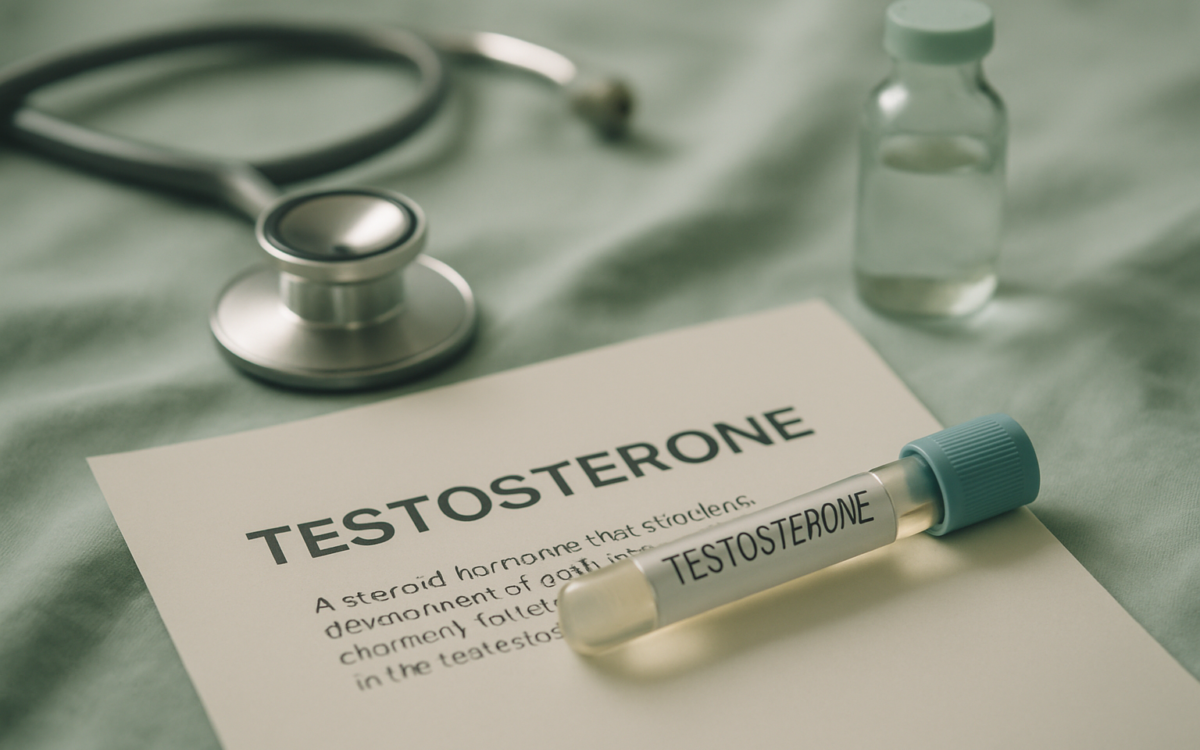
Testosterone is often referred to as the “male hormone,” but it’s much more than that. This vital hormone plays a crucial role in the overall health and well-being of both men and women. Understanding what testosterone is and how it affects the body can empower individuals to make informed health decisions. In this article, we will explore the definition of testosterone, its functions, and the importance of maintaining healthy levels.
What is Testosterone?
Testosterone is a hormone produced primarily in the testicles in men, and in smaller amounts in the ovaries in women and the adrenal glands in both sexes. The hormone is classified as an androgen, which is a group of hormones that includes male hormones and some female hormones.
The Role of Testosterone in the Body
Testosterone serves various functions that are essential for overall health. Here are some of its main roles:
- Development of male characteristics: Testosterone is responsible for the development of male physical features, such as a deeper voice, facial hair, and increased muscle mass.
- Regulation of libido: This hormone plays a vital role in sexual drive and function, influencing libido in both men and women.
- Bone density and muscle mass: It helps maintain bone density and supports the growth of muscle mass, contributing to stronger bones and muscles.
- Mood and energy levels: Testosterone can affect mood and energy, often impacting motivation and overall mental health.
- Red blood cell production: It plays a role in producing red blood cells, which are essential for carrying oxygen throughout the body.
How Testosterone Levels Change Over Time
Testosterone levels are highest during a man’s late teens and early twenties. After that, levels tend to decline gradually, typically about 1% each year after the age of 30. This decline can be affected by various factors, including lifestyle, health conditions, and genetics.
For women, testosterone levels are also highest in their twenties and gradually decrease with age, influencing different aspects of health as they transition through life.
Signs of Low Testosterone
Low testosterone, or hypogonadism, can significantly impact health and well-being. Common signs and symptoms include:
- Low libido or reduced sexual interest
- Fatigue and decreased energy
- Reduced muscle mass and strength
- Increased body fat
- Difficulty concentrating or memory issues
- Depressed mood or irritability
If you notice any of these symptoms, it might be a good idea to consult with a healthcare professional to determine whether your testosterone levels are a concern.
Factors Affecting Testosterone Levels
Many factors can influence testosterone levels, both positively and negatively:
- Lifestyle factors: Regular exercise, a healthy diet, and maintaining a healthy weight can help support optimal testosterone levels. Conversely, excessive alcohol consumption, smoking, and lack of activity may contribute to lower testosterone.
- Medical conditions: Certain illnesses, such as diabetes, obesity, and hormonal disorders, can affect testosterone production. Chronic stress and sleep apnea can also lead to a decrease in testosterone levels.
- Aging: As mentioned, testosterone levels naturally decline with age, leading to changes in health and body chemistry.
Testing and Treatment Options
If low testosterone is suspected, a doctor may recommend a blood test to measure testosterone levels. It’s important to conduct this test in the morning when levels are typically highest. If low levels are confirmed, treatment options could include:
- Lifestyle changes: Weight loss, increased physical activity, and a balanced diet can sometimes help boost testosterone levels naturally.
- Testosterone replacement therapy (TRT): Depending on individual needs, a doctor may prescribe treatments such as injections, patches, gels, or pellets.
While testosterone replacement therapy can be effective, it may also come with risks and side effects. Therefore, it is essential to have a thorough discussion with a healthcare provider to weigh the benefits against potential harm. For more information on testosterone therapy, the Mayo Clinic is an excellent resource.
When to See a Doctor
If you experience symptoms of low testosterone, such as fatigue, decreased libido, or mood changes, consider making an appointment with your healthcare provider. They can discuss possible testing options and appropriate treatments tailored to your health needs.
Conclusion
Testosterone is a vital hormone that plays a significant role in various aspects of health for both men and women. Understanding its definition and functions can help individuals recognize the importance of maintaining healthy levels throughout life. If you suspect that you may have low testosterone, consult a healthcare professional for guidance and support.
