
Testosterone is a crucial hormone for men, influencing everything from energy levels to mood and muscle mass. Understanding how testosterone levels change with age is important for maintaining optimal health. In this article, we will delve into how testosterone levels vary over time, providing valuable insights into what to expect at different life stages.
What is Testosterone?
Testosterone is a steroid hormone produced mainly in the testes. It plays a key role in the development of male reproductive tissues and the promotion of secondary sexual characteristics, such as increased muscle and bone mass. Beyond reproduction, testosterone impacts mood, cognition, and overall well-being.
How Testosterone Levels Change with Age
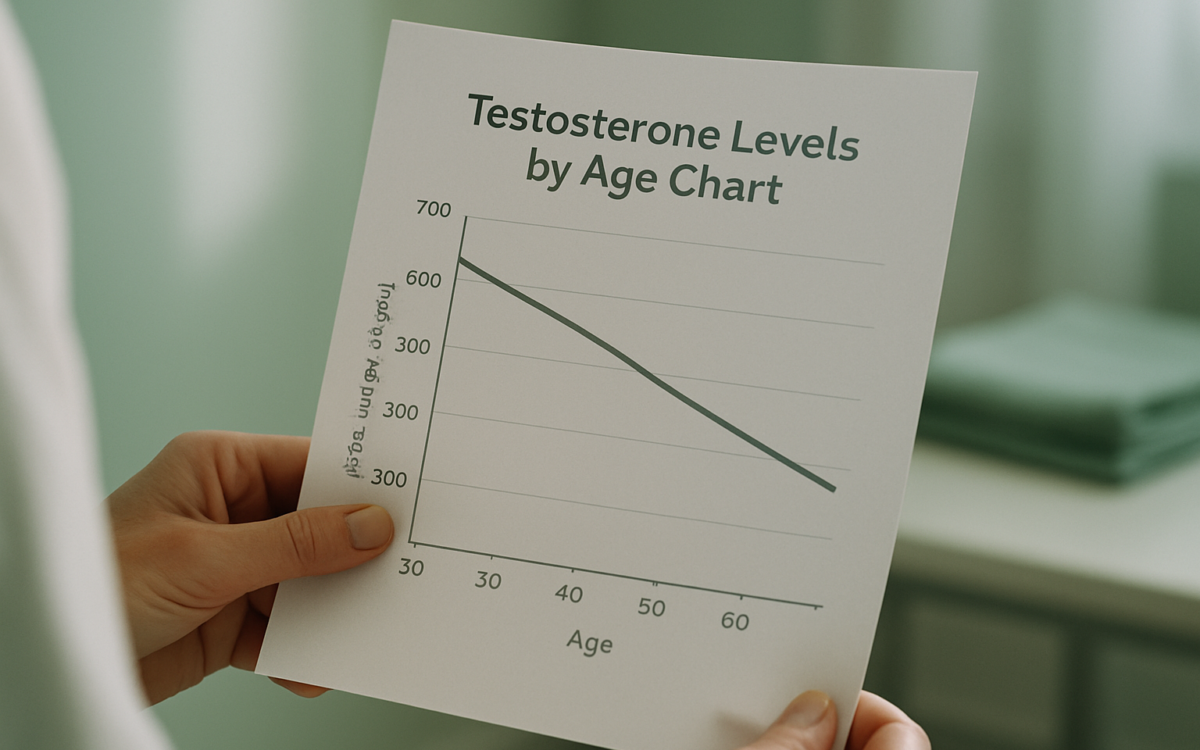
From adolescence through older adulthood, testosterone levels fluctuate significantly. Understanding these changes can help demystify various physical and emotional transitions. Here’s a simplified testosterone levels by age chart:
Testosterone Levels by Age Chart
- Teen Years (15-19): Levels start high, reaching peak production, typically around 300 to 1,200 ng/dL.
- 20s: Peak testosterone levels are usually sustained, averaging 600 to 800 ng/dL.
- 30s: Levels begin a gradual decline, averaging around 500 to 700 ng/dL.
- 40s: Average levels decrease to about 400 to 600 ng/dL.
- 50s: Continuing a downward trend, levels may range from 300 to 500 ng/dL.
- 60s and beyond: Testosterone levels can dip further, averaging 200 to 400 ng/dL.
It’s important to note that individual variances exist. Some men might experience a more pronounced decline, while others may maintain higher levels longer.
Effects of Low Testosterone Levels
Low testosterone, also known as hypogonadism, can lead to various health issues. Symptoms might include:
- Fatigue and decreased energy
- Loss of muscle mass
- Increased body fat
- Reduced libido and sexual function
- Depression or mood changes
Although some men may naturally experience lower testosterone as they age, significant declines can have adverse health effects that warrant attention.
Factors Influencing Testosterone Levels
Several factors can impact testosterone levels during a man’s life:
- Health Conditions: Conditions such as obesity, diabetes, and chronic illnesses can lead to lower levels of testosterone.
- Lifestyle Choices: Diet, exercise, sleep quality, and stress management all play significant roles in hormone health.
- Medications: Some medications can lower testosterone levels as a side effect. Always discuss potential side effects with your healthcare provider.
Testing and Monitoring Testosterone Levels
If you’re concerned about your testosterone levels, consulting with a healthcare professional is essential. They may recommend a blood test to measure your levels. The American Urological Association suggests that blood tests should be conducted in the morning when testosterone levels are generally highest.
Regular monitoring is especially important for men experiencing symptoms associated with low testosterone.
When to Consider Treatment
Testosterone replacement therapy (TRT) may be an option for some men with significantly low testosterone. However, it’s crucial to proceed under medical guidance, as TRT isn’t without risks and may not be suitable for everyone.
Indicators for treatment might include a combination of low testosterone levels and significant symptoms affecting your quality of life.
When to See a Doctor
If you notice symptoms suggestive of low testosterone—such as persistent fatigue, decreased libido, or significant mood changes—it’s wise to consult a healthcare provider. They can provide a thorough assessment and help determine the best course of action based on your individual health needs.
Conclusion
Understanding testosterone levels by age can empower men to take charge of their health. While declines in testosterone are a natural part of aging, being informed about the potential effects and when to seek help is crucial. Regular check-ups and open conversations with healthcare providers are vital steps in managing your hormones and overall well-being.
For more detailed information on testosterone and its impacts, you can visit trusted resources such as the NIH or the Mayo Clinic.
