
Testosterone is a vital hormone in the male body, playing a critical role in various functions such as muscle strength, bone density, and mood regulation. As men age, testosterone levels change, often leading to various health-related concerns. But how do these levels fluctuate as we grow older? Understanding testosterone levels by age can help you grasp the natural changes occurring in your body and what they might mean for your overall health.
What is Testosterone?
Testosterone is an androgen, a type of hormone responsible for developing male physical attributes. It is produced mainly in the testicles, with small amounts made in the adrenal glands. While testosterone is often associated with muscle mass and strength, it also plays a significant role in red blood cell production, fat distribution, and even mental clarity.
Normal Testosterone Levels: What Do They Mean?
Testosterone levels are usually measured in nanograms per milliliter (ng/ml) of blood. Normal testosterone levels can vary significantly among individuals. Generally, adult males can have testosterone levels that range from approximately 300 to 1,000 ng/ml. However, factors like time of day, health status, and even individual genetics can influence these readings.
Testosterone Levels by Age: An Overview
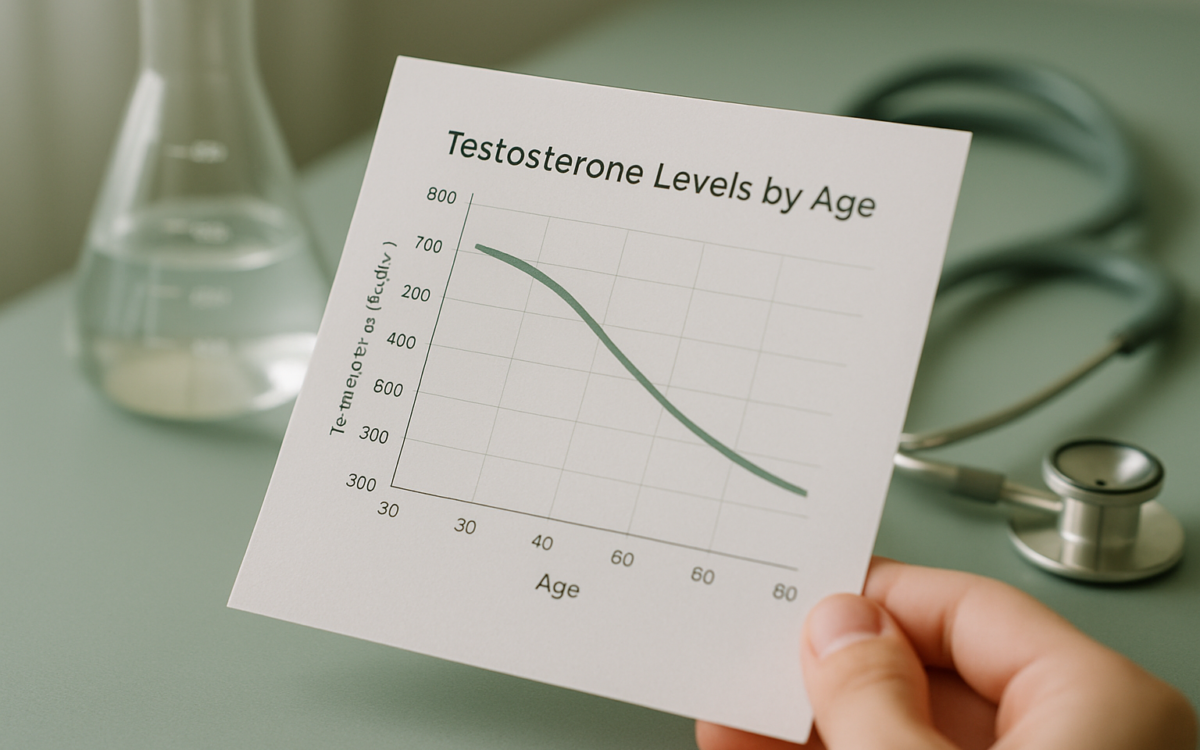
Understanding the relationship between age and testosterone is essential for recognizing normal hormonal changes. Here’s a broad overview of testosterone levels across different age groups:
- Puberty (ages 12-16): Testosterone levels rise sharply during puberty, reaching around 300-1,200 ng/ml as boys develop secondary sexual characteristics.
- Young Adulthood (ages 17-25): Levels peak, typically ranging between 600-1,100 ng/ml. This is usually when men experience the strongest physical and emotional vitality.
- Adulthood (ages 26-35): Testosterone begins to gradually decline, dropping approximately 1% per year after age 30. Levels range from 400-900 ng/ml.
- Middle Age (ages 36-50): Many men continue to experience a slow decline in testosterone. Average levels can fall between 300-600 ng/ml.
- Older Age (ages 51 and above): More significant drops in testosterone are common. Levels can range from 200-500 ng/ml or lower, depending on health and lifestyle.
Keep in mind that these ranges are general estimates. Individual results can vary, and outside factors like stress, diet, and overall health can contribute to fluctuations. For a detailed insight into these changes, you can refer to the National Institutes of Health guidelines.
Signs and Symptoms of Low Testosterone
Low testosterone, clinically known as hypogonadism, can lead to several symptoms that can affect daily life:
- Fatigue: Persistent tiredness that doesn’t improve with rest.
- Depressed Mood: Increased feelings of sadness or irritability.
- Reduced Muscle Mass: Difficulty in building or maintaining muscle.
- Decreased Libido: Lowered sexual interest or erectile dysfunction.
- Weight Gain: Increased body fat, particularly around the abdomen.
Recognizing these symptoms early can help in addressing potential issues with testosterone levels. For a comprehensive guide on managing these symptoms, you can consult materials offered by organizations like the Mayo Clinic.
Testing and Measuring Testosterone Levels
If you suspect you have low testosterone, your doctor may recommend a blood test to check your levels. It’s often best to take this test in the morning when testosterone levels are at their peak. Understanding your numbers can clarify whether your symptoms might be linked to hormonal changes.
What to Expect During Testing
The test is straightforward and involves drawing blood. Before testing, you may be advised to avoid certain medications and supplements, as they can interfere with testosterone levels. Always discuss this with your doctor prior to the test.
Impact of Lifestyle on Testosterone Levels
Your lifestyle choices can significantly affect your testosterone levels. Consider these factors:
- Exercise: Regular physical activity, particularly strength training and high-intensity workouts, can raise testosterone levels.
- Diet: A balanced diet rich in healthy fats, proteins, and vitamins can support hormonal health.
- Sleep: Quality sleep is essential for maintaining healthy testosterone levels, as disrupted sleep can lead to decreased levels.
- Stress Management: Chronic stress can elevate cortisol levels, which negatively impacts testosterone production.
Making positive lifestyle changes can not only enhance overall health but also potentially mitigate some effects of declining testosterone levels.
When to See a Doctor
If you notice symptoms associated with low testosterone or have concerns about your hormone levels, it’s crucial to seek medical guidance. A healthcare professional can provide an accurate diagnosis and recommend possible treatment options tailored to your specific needs.
Conclusion
Understanding testosterone levels by age is vital for men and can help illuminate potential health concerns. By recognizing the signs of low testosterone and the impact of lifestyle, individuals can take proactive steps towards managing their health. Always remember, if you have any concerns about your hormone levels, a consultation with your doctor is the best course of action.
