
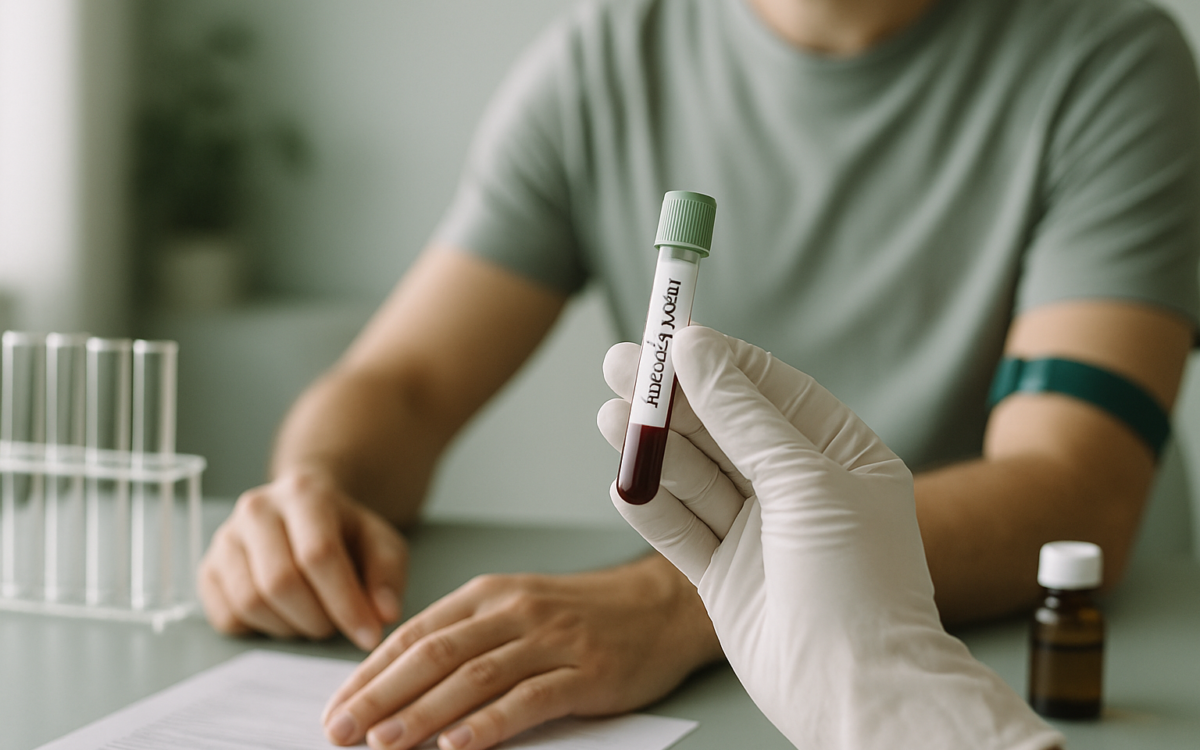
Testosterone is often referred to as the “male hormone,” but it’s important for both men and women. This powerful hormone plays a key role in many body functions, including muscle strength, fat distribution, and bone density. Understanding testosterone levels and how they affect your health can help you make informed choices about your well-being.
What are testosterone levels?
Testosterone is produced mainly in the testicles for men and in smaller amounts in the ovaries and adrenal glands for women. Normal testosterone levels vary by age and individual, typically ranging from 300 to 1,200 nanograms per deciliter (ng/dL) for men. Women generally have lower levels, ranging from 15 to 70 ng/dL. Factors such as age, health, and lifestyle can influence these levels.
The effects of testosterone on the body
Testosterone plays a crucial role in several physiological processes:
- Muscle mass and strength: Testosterone helps build and maintain muscle mass, which is essential for physical strength and overall health.
- Bone density: This hormone contributes to bone density, reducing the risk of fractures and osteoporosis.
- Fat distribution: Testosterone helps manage body fat levels, influencing how your body stores fat.
- Mood and energy levels: Low testosterone levels can lead to fatigue, irritability, and even depression.
Causes of low testosterone levels
Several factors can contribute to low testosterone levels, also known as hypogonadism. These may include:
- Aging: Testosterone levels naturally decline with age, especially after age 30.
- Medical conditions: Conditions like obesity, diabetes, and certain hormonal disorders can lower testosterone levels.
- Medications: Some medications, including opioids and steroids, can affect hormone production.
- Stress: Chronic stress can lead to hormonal imbalances, including lower testosterone levels.
Signs and symptoms of low testosterone
Low testosterone levels can manifest in various ways. Common symptoms include:
- Decreased libido (low sex drive)
- Fatigue and low energy
- Loss of muscle mass
- Increased body fat
- Mood changes such as depression or irritability
- Poor concentration and memory
If you notice these symptoms, it’s essential to consult with a healthcare professional for proper evaluation.
How to maintain healthy testosterone levels
Here are some lifestyle changes that may help you maintain healthy testosterone levels:
- Regular exercise: Engaging in strength training and aerobic exercises can naturally boost testosterone levels.
- Healthy diet: A balanced diet rich in whole foods, lean proteins, healthy fats, fruits, and vegetables supports hormone production.
- Weight management: Maintaining a healthy weight can positively impact testosterone levels.
- Quality sleep: Adequate sleep is vital for hormone regulation. Aim for 7-9 hours per night.
- Stress management: Techniques such as meditation and mindfulness can reduce stress and promote hormonal balance.
When is testosterone therapy necessary?
In some cases, hormone replacement therapy may be recommended to treat low testosterone levels. This should always be discussed with your healthcare provider. Testosterone therapy can help improve symptoms but is not without risks. Potential side effects include increasing the risk of heart disease, sleep apnea, and contributing to the growth of prostate cancer in susceptible individuals. Therefore, thorough diagnostic testing and discussions with a healthcare professional are necessary before considering this option.
When to see a doctor
If you are experiencing symptoms of low testosterone, such as decreased libido, fatigue, or mood changes, it’s important to consult a healthcare professional. They will conduct the necessary tests to determine if your testosterone levels are low and suggest appropriate treatments or lifestyle changes. Regular check-ups can also help monitor your hormone levels as you age.
Understanding testosterone levels is essential for maintaining men’s health. By recognizing the signs of low testosterone and taking proactive steps, you can help ensure your body remains balanced and functioning optimally. Remember, consulting a healthcare professional is vital for any concerns related to hormone levels.
