
When we talk about men’s health, testosterone often comes up as a key player. This hormone not only contributes to physical strength and vitality but also influences mood, energy levels, and sexual health. However, there are times when your testosterone levels might not be where they should be. That’s where a testosterone test comes in, providing insight into your hormonal health and guiding decisions for further action if necessary.
What is a Testosterone Test?
A testosterone test measures the level of testosterone in the bloodstream. Testosterone is produced primarily in the testicles and is crucial for the development of male physical characteristics, sperm production, and overall well-being. The test is typically done with a blood sample, and it can help reveal whether your hormone levels are within the normal range or if they may be too low or too high.
Why is Testing Important?
Testosterone testing is important for a variety of reasons:
- Symptoms of Low Testosterone: Many men experience symptoms that may indicate low testosterone, such as fatigue, mood changes, decreased libido, or difficulty concentrating. Testing can confirm if these symptoms are related to testosterone levels.
- Monitor Conditions: For men with conditions like obesity, diabetes, or certain tumors, regular testosterone testing can be crucial for monitoring health and treatment efficacy.
- Fertility Issues: Low testosterone can contribute to infertility. Addressing hormonal imbalances can help improve chances of conception.
Understanding your testosterone levels is a way to gain insight into your overall health. According to the NIH, testosterone levels can also affect cardiovascular health, mood regulation, and metabolic processes.
How is the Testosterone Test Conducted?
The testosterone test is a simple procedure that usually involves the following steps:
- Preparation: Your doctor might ask you to avoid certain medications and supplements before the test. It’s often recommended that the test be done in the morning when testosterone levels are highest.
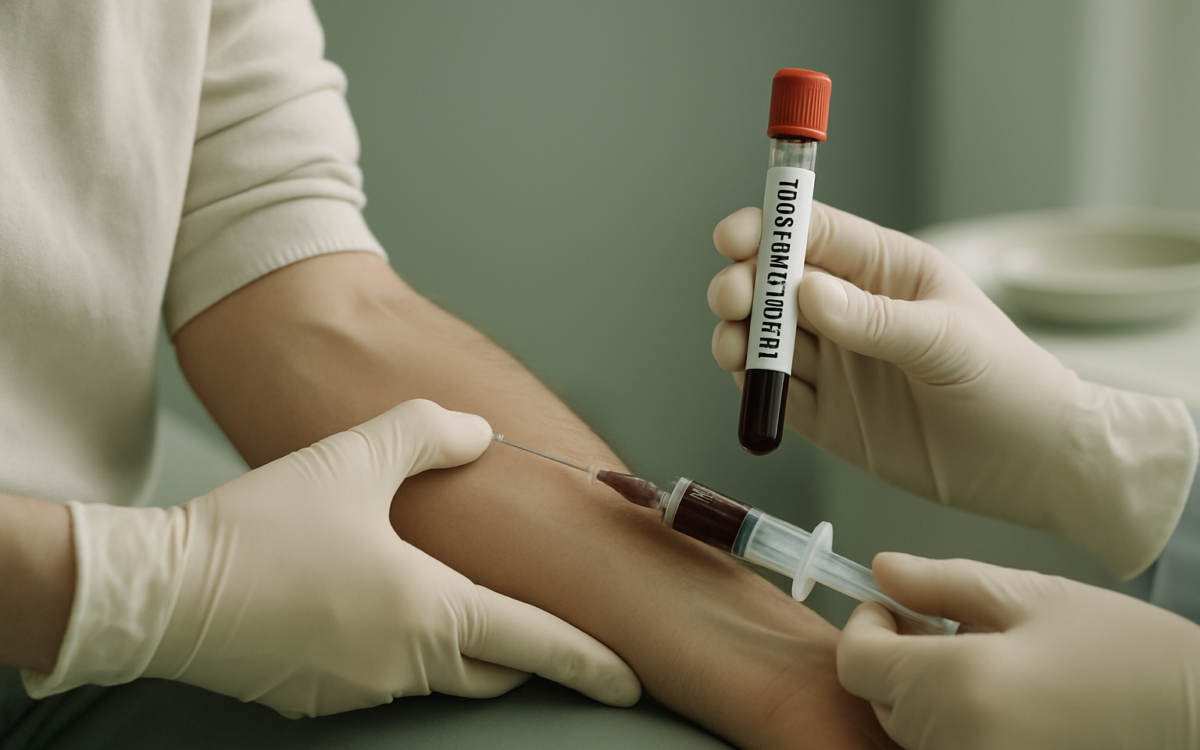
- Blood Sample: A healthcare professional will draw a blood sample, typically from your arm. This sample is then sent to a laboratory for analysis.
- Receiving Results: Results are typically available within a few days. Normal testosterone levels can vary based on various factors, including age and overall health.
Results may indicate whether your testosterone levels are low, normal, or high. It’s essential to discuss these results with your healthcare provider to understand what they mean for your health.
Understanding Normal Testosterone Levels
Normal testosterone levels can vary widely based on several factors, including age. Generally, testosterone levels are measured in nanograms per deciliter (ng/dL). Here’s a rough guide to normal ranges:
- Men aged 19 to 39: 264 to 916 ng/dL
- Men aged 40 to 59: 240 to 850 ng/dL
- Men aged 60 and older: 200 to 900 ng/dL
These ranges can sometimes vary based on the lab and methodology used. If your levels fall outside of the normal range, your doctor may suggest further testing or evaluation.
Potential Risks and Considerations
While testosterone tests are generally safe, it’s important to be aware of potential risks. These are low but can include:
- Discomfort: Some people might experience slight discomfort or bruising at the blood draw site.
- Anxiety: Waiting for results can sometimes cause stress or anxiety.
- Misinterpretation: Low or high testosterone levels can be influenced by various factors, including illness and medications. Thus, it’s crucial to consult a healthcare professional for thorough interpretation.
Understanding these aspects can help you feel more prepared and at ease about the process.
When to See a Doctor
If you’re experiencing symptoms related to hormone levels, such as fatigue, changes in mood, or sexual dysfunction, it may be time to consult with your doctor. Additionally, if you have a chronic health condition, regular check-ups that include testing hormone levels can be beneficial.
Always remember that only a healthcare professional can diagnose and recommend treatment for hormonal imbalances.
Conclusion
A testosterone test is a valuable tool in understanding men’s health. Whether you’re experiencing concerning symptoms or just want to keep an eye on your health, knowing your testosterone levels can be a crucial part of your overall wellness journey. If you think you may need a testosterone test, start a conversation with your doctor to explore your options further.
