
Testosterone is a hormone that plays a vital role in various bodily functions, especially in men. Often dubbed the ‘male hormone’, testosterone is not just important for physical strength; it affects mood, energy levels, sexual function, and even heart health. Understanding testosterone’s meaning and its impact on your life can empower you to make informed decisions regarding your health.
What is Testosterone?
Testosterone is primarily produced in the testes in men, but women also produce testosterone in smaller amounts in their ovaries and adrenal glands. It belongs to a group of hormones called androgens, which are often referred to as male hormones. Testosterone levels typically peak in early adulthood and gradually decline with age. This decline can lead to various physical and emotional changes.
The Role of Testosterone in the Body
Testosterone plays multiple roles in the body, including:
- Development of Male Characteristics: Testosterone is crucial during puberty for the development of male physical traits such as increased muscle mass, deeper voice, and facial hair.
- Sexual Function: It is essential for libido (sexual drive) and helps in erectile function.
- Bones and Muscles: Testosterone increases bone density and muscle mass, crucial for physical health and mobility.
- Mood Regulation: Balanced testosterone levels contribute to overall mood, energy levels, and cognitive function, playing a role in reducing depressive symptoms.
Symptoms of Low Testosterone
When testosterone levels drop below normal, a condition known as low testosterone or hypogonadism can occur. Common symptoms include:
- Reduced libido or sexual interest
- Low energy or fatigue
- Loss of muscle mass or strength
- Increased body fat
- Depression or mood swings
If you notice these symptoms, it may be wise to consult a healthcare provider for further evaluation.
How Testosterone Levels Are Measured
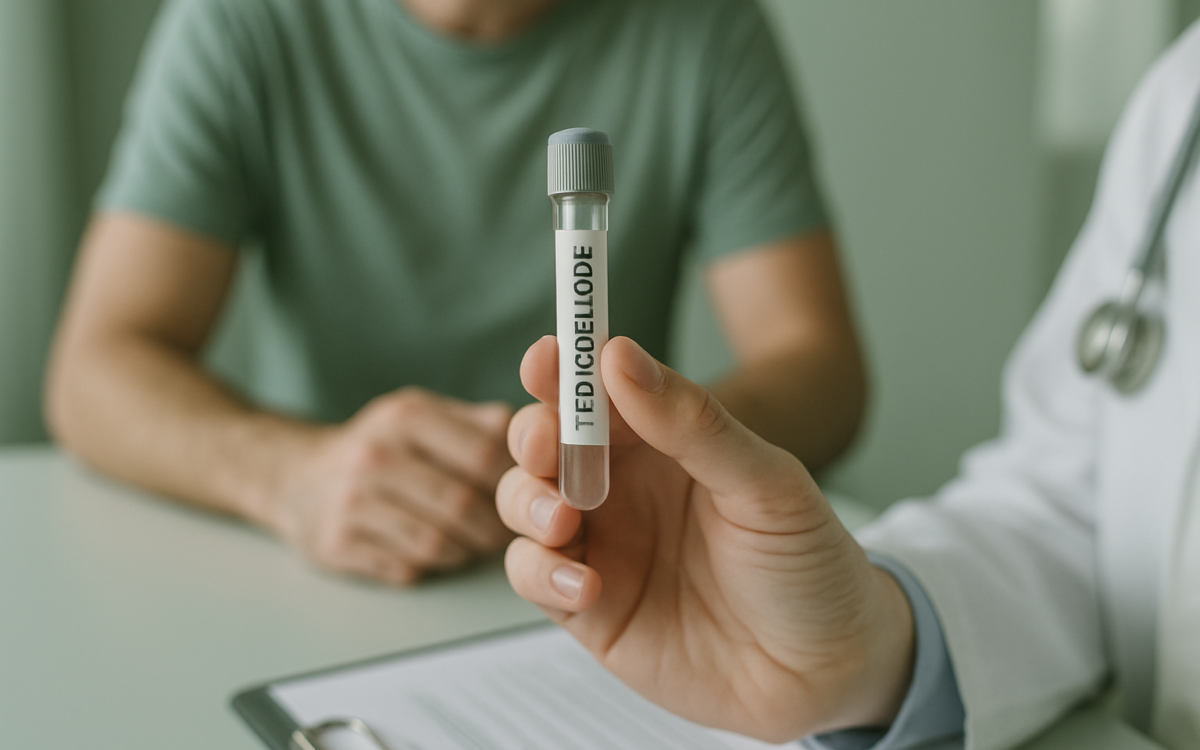
To determine testosterone levels, a simple blood test is usually performed. Typically, doctors take measurements in the morning when testosterone levels are at their peak. A single test may provide a snapshot, but your doctor may recommend multiple tests to confirm low testosterone levels.
Treatment Options for Low Testosterone
If diagnosed with low testosterone, various treatment options are available, depending on your specific health profile and needs. Common treatments include:
- Hormone Replacement Therapy: This can involve testosterone injections, patches, or gels to replenish testosterone levels.
- Lifestyle Changes: Diet and exercise can boost testosterone levels naturally. Eating a balanced diet, maintaining a healthy weight, and regular exercise can have a positive impact.
- International Treatment Options: For those considering alternative treatments, there is a growing interest in seeking treatment in Turkey, where advanced therapies are available at various medical facilities.
Potential Side Effects of Testosterone Therapy
While testosterone therapy can be beneficial, it may come with side effects, such as:
- Increased risk of heart disease
- Sleep apnea
- Acne or skin reactions
- Increased red blood cell count
It’s crucial to have open discussions with your healthcare provider about these risks and monitor your health regularly while on treatment.
When to See a Doctor
If you experience symptoms of low testosterone or have concerns about your hormone levels, it’s important to consult a healthcare professional. They can provide personalized advice, suggest appropriate testing, and discuss treatment options tailored to your needs.
In conclusion, testosterone is more than just a male hormone; it plays a significant role in overall health and wellbeing. Understanding its function can help you advocate for your health, especially if you suspect hormonal imbalances. Stay informed, and don’t hesitate to reach out to medical professionals for guidance on this essential aspect of your health.
