
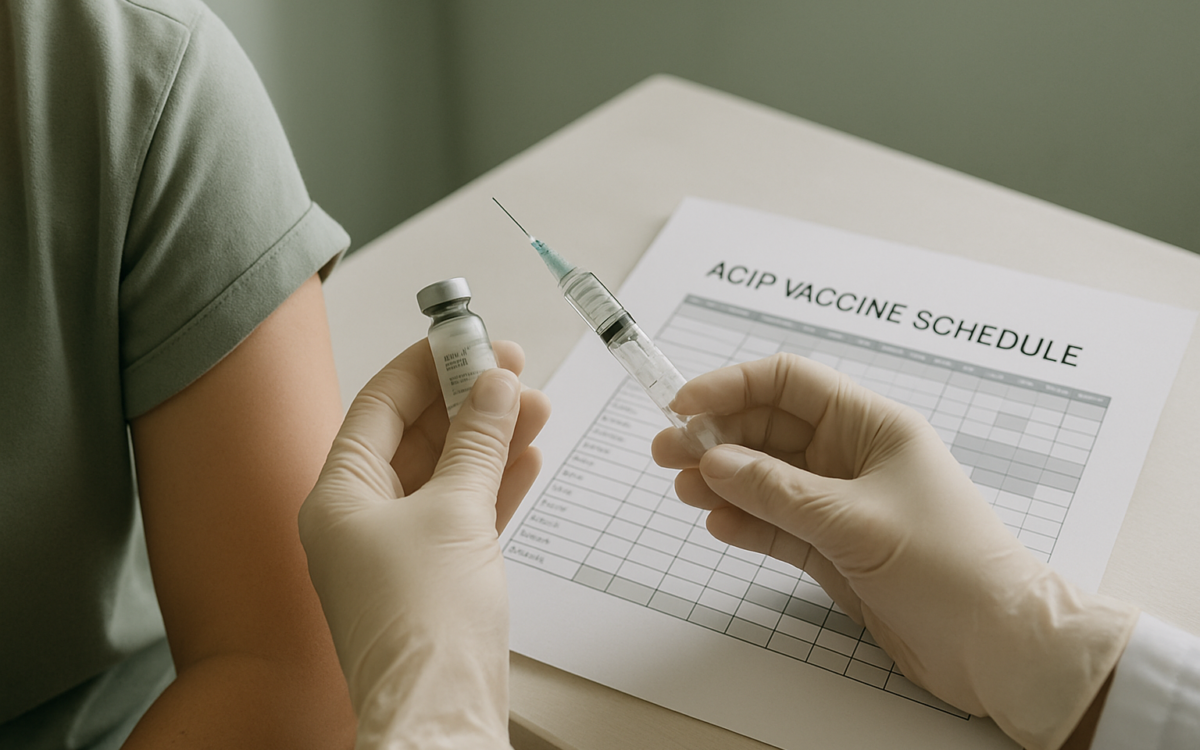
Vaccines have played a crucial role in protecting public health by preventing infectious diseases. The Advisory Committee on Immunization Practices (ACIP) provides recommendations on vaccines in the United States. By understanding the ACIP vaccine schedule, you can ensure that you and your family receive the necessary immunizations at the right ages.
What is the ACIP?
The ACIP is a committee that advises the Centers for Disease Control and Prevention (CDC) on the use of vaccines. Their recommendations are based on research and evidence, aiming to maximize the benefits of immunization while minimizing risks. The ACIP updates its guidelines regularly to reflect the latest scientific findings.
The Importance of Vaccination
Vaccination is essential because it protects not only individuals but also whole communities by creating herd immunity. When enough people are vaccinated against a disease, the spread of the disease is limited, making it less likely for those who cannot be vaccinated—such as those with certain medical conditions or age restrictions—to contract it.
Understanding the ACIP Vaccine Schedule
The ACIP vaccine schedule is designed to guide healthcare providers and families on when children and adults should receive vaccines. Here are the key elements:
For Children
- Birth to 6 Years: Vaccines include hepatitis B, rotavirus, diphtheria, tetanus, and pertussis, among others. The first doses are often given shortly after birth.
- 7 to 18 Years: Adolescents receive booster doses and additional vaccines like the meningococcal vaccine and HPV vaccine to protect against human papillomavirus-related cancers.
For Adults
- Routine Vaccines: Adults are recommended to receive vaccines for influenza, tetanus-diphtheria-pertussis (Tdap), and others based on age and health status.
- Special Populations: Additional vaccines may be recommended for specific populations, such as pregnant women, the elderly, or those with chronic health conditions.
Staying Informed About Vaccine Updates
The ACIP updates its vaccine schedule regularly; thus, it is crucial to stay informed. This can be done through reliable sources like the CDC website, where you can find the most recent immunization schedules. Additionally, healthcare providers are valuable resources for ensuring that you keep up with recommended vaccines.
Common Questions About Vaccination
Many parents and adults have questions regarding vaccines. Here are some frequently asked questions:
Why are vaccines recommended at specific ages?
Vaccines are most effective when given at specific ages, as they take advantage of the developing immune system. Some vaccines require booster doses for long-lasting protection.
Are there risks associated with vaccines?
Like any medical intervention, vaccines can have side effects, but these are generally mild and temporary. Serious side effects are rare. The benefits of vaccination, including protection from serious illness, typically far outweigh the risks.
When to See a Doctor
If you have concerns about vaccinations or if your child has missed a vaccine, consult your healthcare provider. They can provide tailored advice based on your health history and current health guidelines.
Conclusion
Understanding the ACIP vaccine schedule is vital for maintaining the health of your family and community. Staying up-to-date with vaccinations protects against various diseases, ensuring long-term well-being. For more information, always refer to trusted sources like the NIH or the World Health Organization to gain insights into immunization practices around the globe.
