
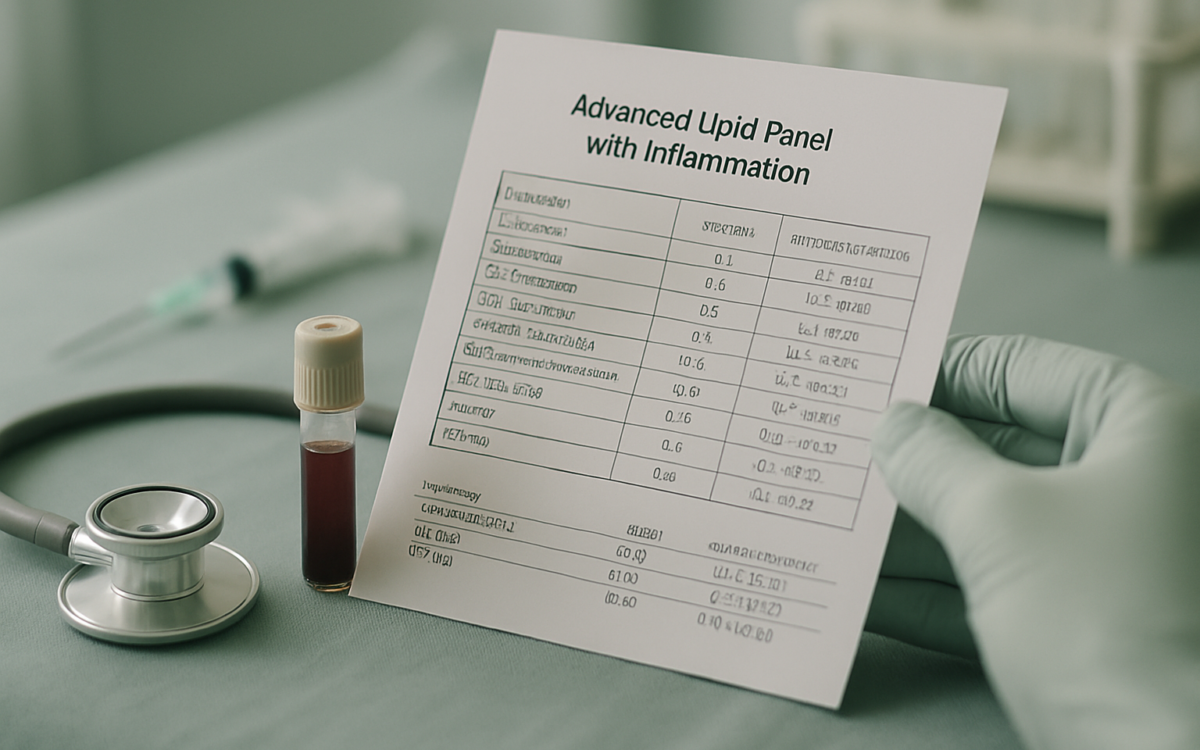
Heart health is crucial for overall well-being, and understanding your lipid levels can provide vital insights. An advanced lipid panel is a specialized blood test that goes beyond the standard cholesterol screening. It measures various types of lipids and gives an in-depth look at cardiovascular risk, including information related to inflammation. Inflammation plays a significant role in heart disease, making this test an essential tool for those looking to understand their heart health better.
What is an Advanced Lipid Panel?
An advanced lipid panel measures several types of fats in your blood, including:
- Low-Density Lipoprotein (LDL): Often labeled as ‘bad’ cholesterol, high levels of LDL can lead to plaque buildup in arteries.
- High-Density Lipoprotein (HDL): Known as ‘good’ cholesterol, HDL helps remove LDL from the bloodstream.
- Very-Low-Density Lipoprotein (VLDL): Another type of bad cholesterol that contributes to plaque buildup.
- Triglycerides: High levels can also increase the risk of heart disease.
- Small Dense LDL Particles: These are typically more harmful than larger LDL particles, which are less likely to penetrate arterial walls.
This comprehensive assessment helps to better understand your cholesterol and cardiovascular risk, allowing for more tailored health strategies.
The Role of Inflammation in Heart Disease
Inflammation is a vital part of our immune system’s response, but chronic inflammation can pose severe risks, especially concerning heart disease. When inflammation is present, it can damage blood vessels and contribute to the formation of plaques in arteries. These plaques can block blood flow, leading to heart attacks or strokes.
In the context of an advanced lipid panel, markers of inflammation such as C-Reactive Protein (CRP) can be included. Elevated CRP levels indicate increased inflammation, potentially heightening cardiovascular risk. Studies suggest that knowing both your lipid profile and inflammation levels gives a more complete picture of heart health (NIH).
Why Should You Consider an Advanced Lipid Panel?
This test is particularly useful if:
- You have a family history of heart disease.
- You have other risk factors such as high blood pressure, diabetes, or obesity.
- You have experienced heart issues such as angina or previous heart attacks.
- You are aiming to take proactive steps toward cardiovascular health.
By understanding both your lipid levels and inflammation markers, you and your healthcare provider can establish a comprehensive plan for heart health.
Interpreting Your Results
Receiving your advanced lipid panel results can be overwhelming. Here’s a quick breakdown of how to interpret your results:
- LDL Levels: Optimal levels are less than 100 mg/dL. High LDL is often treated with lifestyle changes or medication.
- HDL Levels: Higher levels are better, ideally above 60 mg/dL. Low HDL can increase risk.
- Triglycerides: Normal levels are less than 150 mg/dL. Elevated triglycerides may also require intervention.
- CRP Levels: Normal levels are under 1.0 mg/L, with higher levels indicating increased inflammation and risk.
Your doctor will help you understand what these levels mean for your personal health. Keep in mind that lab results vary, and it’s essential to discuss your unique situation with a healthcare professional.
Lifestyle Changes to Improve Lipid Levels and Reduce Inflammation
Fortunately, there are many steps you can take to enhance your heart health. Consider incorporating these lifestyle changes:
- Diet: A heart-healthy diet rich in fruits, vegetables, whole grains, and healthy fats (like those found in fish and nuts) can improve your lipid profile.
- Exercise: Regular physical activity helps raise HDL cholesterol and lower LDL cholesterol and triglycerides.
- Quit Smoking: If you smoke, ask your doctor for resources to help you quit. Stopping smoking greatly improves heart health.
- Limit Alcohol: Moderation is key; excessive drinking can raise blood pressure and contribute to other health issues.
- Manage stress: Stress management techniques such as meditation, yoga, or deep-breathing exercises can lower inflammation levels.
Implementing these changes can be challenging, but they are crucial for long-term cardiovascular health.
When to See a Doctor
If you experience symptoms such as chest pain, shortness of breath, or unusual fatigue, it’s important to see a healthcare provider immediately. Additionally, if you have risk factors for heart disease or are concerned about your lipid levels or inflammation, consult your doctor to discuss whether an advanced lipid panel is appropriate for you.
Regular check-ups and open communication with your healthcare team will help you manage your heart health effectively.
Conclusion
An advanced lipid panel is a powerful tool that can provide insights into your heart health and reveal the state of inflammation in your body. Understanding these results and making lifestyle adjustments can significantly impact your cardiovascular well-being. By taking control of your heart health, you will be empowered to make informed choices that lead to a longer, healthier life.
