
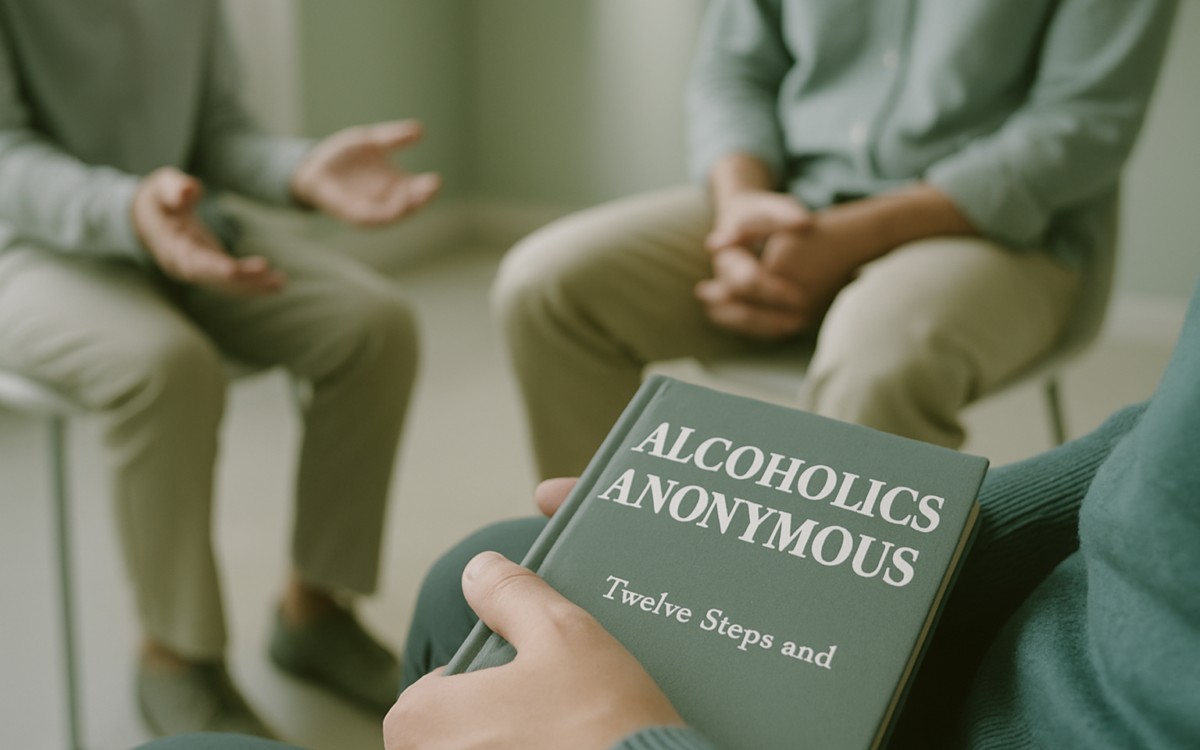
For many struggling with addiction, the road to recovery can seem overwhelming. Yet, support is available, and one of the most recognized pathways to sobriety is the Alcoholics Anonymous (AA) 12-Step Program. This structured approach not only addresses the immediate need for sobriety but also promotes a broader framework for personal growth and connection with others. In this article, we’ll explore what the 12-Step Program entails, its principles, and its impact on individuals seeking to recover from alcohol addiction.
What is the Alcoholics Anonymous 12-Step Program?
The Alcoholics Anonymous 12-Step Program is a worldwide mutual aid fellowship that helps those struggling with alcohol addiction. Founded in the 1930s, AA provides a supportive community where participants can share their experiences and challenges while pursuing sobriety. The core of this support is the 12-Step Program, which serves as a roadmap for recovery and self-improvement.
The 12 Steps Explained
- Step 1: Admitting that you are powerless over alcohol and acknowledging that your life has become unmanageable.
- Step 2: Believing that a higher power can restore you to sanity.
- Step 3: Deciding to turn your will and life over to the care of this higher power.
- Step 4: Conducting a searching and fearless moral inventory of yourself.
- Step 5: Admitting to God, yourself, and another human being the exact nature of your wrongs.
- Step 6: Being entirely ready to have God remove all these defects of character.
- Step 7: Humbly asking God to remove your shortcomings.
- Step 8: Making a list of all persons you have harmed and becoming willing to make amends to them all.
- Step 9: Making direct amends to such people wherever possible, except when to do so would injure them or others.
- Step 10: Continuing to take personal inventory, and when you are wrong, promptly admitting it.
- Step 11: Seeking, through prayer and meditation, to improve your conscious contact with God, as you understand Him.
- Step 12: Having had a spiritual awakening as the result of these steps, carrying this message to alcoholics, and practicing these principles in all your affairs.
These steps form the foundation of the program, guiding participants toward a spiritual awakening and a renewed sense of purpose. Importantly, the program encourages individuals to recognize their struggles within a supportive community of peers.
The Role of Support in Recovery
One of the most powerful aspects of the AA 12-Step Program is the community it fosters. Members gather in meetings to share their stories, celebrate successes, and support one another in times of struggle. This sense of belonging can help reduce feelings of isolation and shame, which are common among those dealing with addiction. Support from peers offers not only empathy but also a unique understanding of the challenges faced in recovery.
Studies have shown that social support is crucial in overcoming addiction. A review published in the National Institutes of Health indicates that individuals who engage in support groups like AA tend to have better long-term outcomes in their recovery journey.
Spirituality and Personal Growth
While not all members of AA identify with a traditional notion of spirituality, the program encourages individuals to connect with something greater than themselves. This can manifest in various forms, from a belief in a higher power to a commitment to personal ethics and values. By fostering this connection, participants may find new meaning and purpose in their lives, aiding in their recovery process.
Furthermore, personal growth is a significant theme throughout the 12 Steps. Each step encourages self-reflection and accountability, guiding individuals to develop healthier coping mechanisms and relationships. Many participants report feeling a renewed sense of hope and direction as they progress through the program.
Understanding Challenges in the Program
While the AA 12-Step Program has helped countless individuals, it is not without its challenges. For some, admitting powerlessness over alcohol can be a significant hurdle. Others may struggle with the spiritual aspects of the program or feel discomfort in sharing their personal stories. However, many find that perseverance through these challenges leads to personal breakthroughs and lasting change.
It’s essential to remember that recovery is not a linear process. Relapses can happen, and the journey can be filled with ups and downs. Seeking support from fellow AA members and professionals can provide the necessary encouragement to stay committed to sobriety.
Integration with Professional Treatment
The AA 12-Step Program is most effective when combined with professional treatment options such as counseling, therapy, or medication-assisted therapy. According to the Centers for Disease Control and Prevention, integrating various treatment approaches enhances the chances of successful recovery from alcohol use disorder. Professionals can provide guidance tailored to individual needs while the 12-Step Program offers community-based support.
Collaboration between treatment professionals and support group leaders can create a comprehensive plan for recovery, addressing both the psychological and social facets of addiction.
When to See a Doctor
If you or someone you know is struggling with alcohol dependency, reaching out to a healthcare provider is an important first step. Signs that professional help may be needed include:
- Experiencing withdrawal symptoms when not drinking
- Continuing to drink despite negative consequences
- Having difficulty controlling the amount you consume
- Seeking out alcohol to cope with stress or anxiety
Consulting with a doctor can provide guidance on treatment options that best fit individual circumstances.
The journey to recovery from alcohol addiction is challenging but achievable, and the Alcoholics Anonymous 12-Step Program serves as a powerful framework for many. With its emphasis on community, personal growth, and spiritual awakening, it offers hope and direction to those ready to change their lives.
Ultimately, the decision to seek help through AA or other forms of treatment is a personal one. By exploring various resources and finding what resonates best, individuals can take meaningful steps toward a healthier, happier future.
