
Inflammation is a natural response of the body to fight off harmful substances, infections, or injuries. However, when this response becomes chronic, it can lead to various health issues such as heart disease, diabetes, and arthritis. The good news is that the foods we eat can influence inflammation levels in our bodies. An anti-inflammatory diet focuses on including foods that can help reduce inflammation and prevent these related health problems.
What is an anti-inflammatory diet?
An anti-inflammatory diet is more than just a list of foods to avoid; it’s about embracing a whole-foods approach that emphasizes nutrient-rich options. This way of eating encourages the consumption of fruits, vegetables, whole grains, healthy fats, and lean proteins. Many of these foods are packed with antioxidants and other compounds that can help limit inflammation.
Key foods to include in your diet
To create an effective anti-inflammatory diet, consider including the following foods:
- Fruits and vegetables: Berries, cherries, spinach, and kale are excellent choices. These foods are rich in antioxidants and vitamins that combat inflammation.
- Whole grains: Oats, brown rice, and quinoa provide fiber and important nutrients. These grains help maintain a healthy gut, which can be crucial for reducing inflammation.
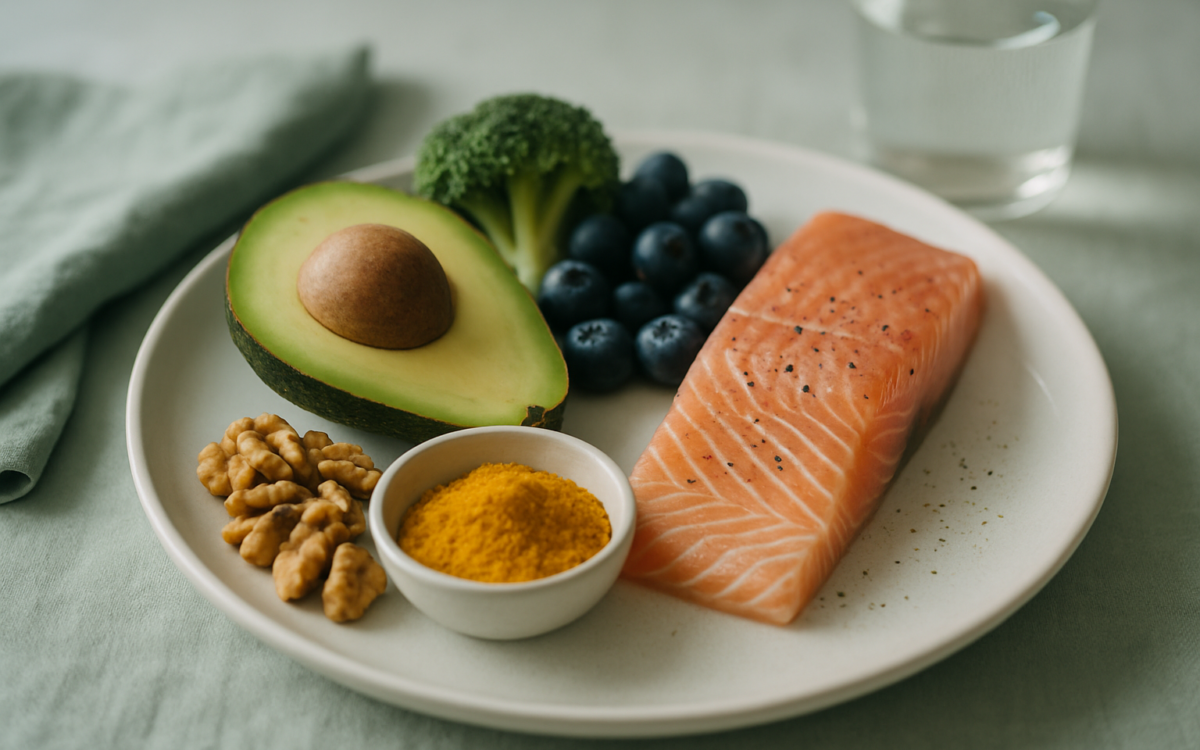
- Healthy fats: Olive oil, nuts, and fatty fish like salmon are good sources of omega-3 fatty acids. Omega-3s are known to have strong anti-inflammatory properties.
- Legumes: Beans and lentils are high in fiber and protein, making them great for heart health while also aiding in inflammation reduction.
- Spices and herbs: Turmeric and ginger are especially powerful in fighting inflammation due to their active compounds, such as curcumin in turmeric.
Foods to limit or avoid
While it’s important to focus on foods that fight inflammation, it’s also crucial to recognize those that can promote it. Consider minimizing or avoiding the following:
- Processed foods: Sugary snacks, fast food, and pre-packaged meals can contain unhealthy fats and sugars that may increase inflammation.
- Refined carbohydrates: White bread, pastries, and other processed grains can spike blood sugar levels and contribute to inflammation.
- Excessive alcohol: Drinking too much alcohol may lead to higher levels of inflammation in the body.
- Red and processed meats: These can contain advanced glycation end products (AGEs) that trigger inflammation.
The benefits of an anti-inflammatory diet
Choosing to follow an anti-inflammatory diet can provide a variety of health benefits. Some key advantages include:
- Reduced risk of chronic diseases: By incorporating anti-inflammatory foods, you may lower your risk of diseases such as diabetes, heart disease, and certain cancers.
- Weight management: Many anti-inflammatory foods are lower in calories and higher in fiber, which can help manage weight effectively.
- Improved gut health: Foods rich in fiber support digestion and promote a healthy microbiome, which is linked to inflammation control.
- Enhanced overall well-being: A diet high in whole foods can lead to increased energy and better overall health.
Tips for adopting an anti-inflammatory lifestyle
Making dietary changes might seem overwhelming, but with a few simple tips, it can be easier to adopt an anti-inflammatory lifestyle:
- Start gradually: Incorporate one or two anti-inflammatory foods into your meals each week until they become a regular part of your diet.
- Plan your meals: Prepare meals in advance to ensure that you have healthy options on hand, reducing the temptation to reach for unhealthy choices.
- Read labels: When shopping, pay attention to food labels and avoid items high in sugars and unhealthy fats.
- Experiment with new recipes: Explore different cooking methods and try new ingredients that align with an anti-inflammatory diet.
When to see a doctor
If you are experiencing ongoing symptoms that may be linked to inflammation, such as persistent pain, fatigue, or gastrointestinal issues, it’s important to consult a healthcare professional. They can provide guidance tailored to your specific needs and help determine if an anti-inflammatory diet or other interventions may be beneficial for you.
For more information, you can explore resources from the National Institutes of Health and the Mayo Clinic.
Eating a balanced, anti-inflammatory diet can play a significant role in improving your health and reducing the risk of many chronic conditions. By making informed food choices, you can promote better well-being and enjoy a vibrant life.
