
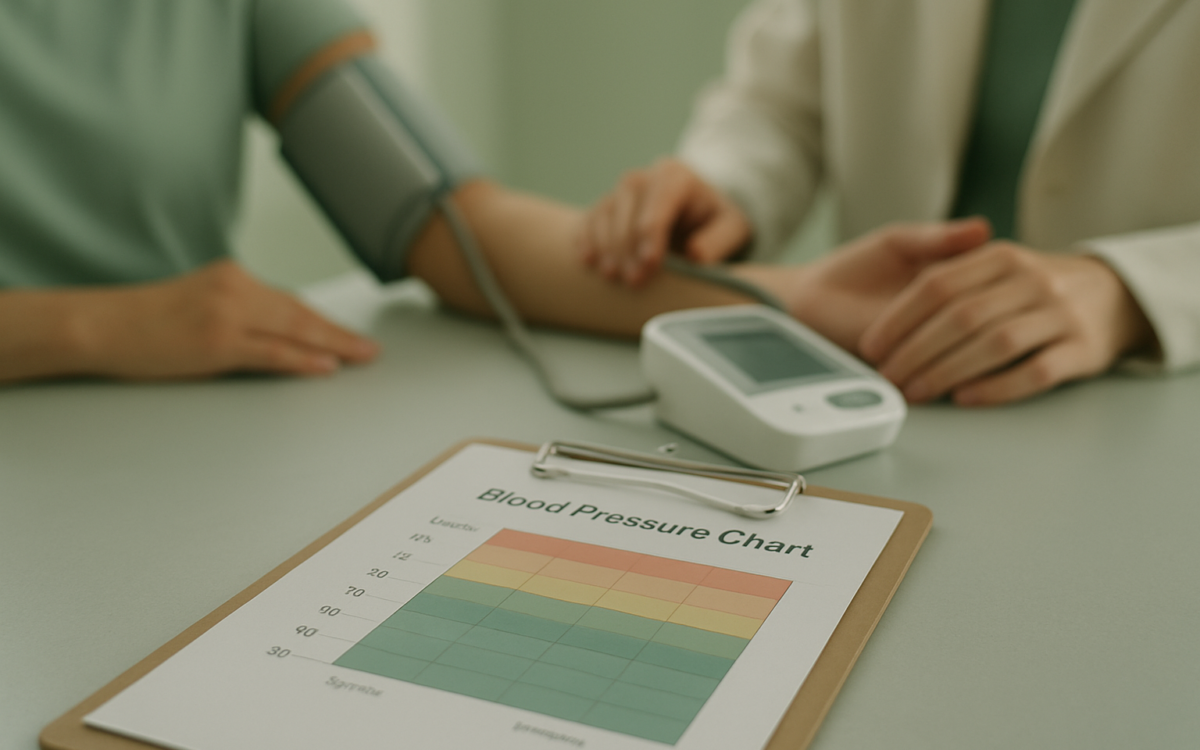
Blood pressure is a key indicator of overall health, reflecting how hard your heart works to pump blood through your body. Tracking it can help you understand your heart’s health and the risk of various conditions. One of the simplest ways to visualize and understand blood pressure is through a blood pressure (BP) chart.
What is Blood Pressure?
Blood pressure measures the force of blood against the walls of your arteries. It’s represented as two numbers: systolic (the top number) and diastolic (the bottom number). Systolic pressure is the force your heart exerts when it beats, while diastolic pressure is the pressure in your arteries when your heart rests between beats. The normal reading for a healthy adult is typically around 120/80 mmHg (millimeters of mercury).
Reading a BP Chart
A blood pressure chart provides a visual representation of different blood pressure ranges. Understanding how to interpret this chart can give you valuable insights into your cardiovascular health. Here’s an overview of the typical categories:
- Normal: Less than 120/80 mmHg
- Elevated: Systolic between 120-129 mmHg and diastolic less than 80 mmHg
- Hypertension Stage 1: Systolic between 130-139 mmHg or diastolic between 80-89 mmHg
- Hypertension Stage 2: Systolic at least 140 mmHg or diastolic at least 90 mmHg
- Hypertensive Crisis: Systolic over 180 mmHg and/or diastolic over 120 mmHg
These ranges can vary based on various factors such as age and underlying health conditions. Regularly checking and charting your blood pressure can help you and your healthcare provider monitor trends over time.
Why Tracking Your Blood Pressure is Important
Monitoring your blood pressure is crucial as it can help identify potential health issues before they become serious. High blood pressure, or hypertension, is often called a “silent killer” because it can go unnoticed for years without obvious symptoms. Over time, elevated blood pressure can lead to serious health complications, including heart attack, stroke, and kidney disease.
Keeping track of your readings using a BP chart can help alert you to patterns that may indicate the need for lifestyle changes or medication adjustments. For instance, if your readings consistently show elevated blood pressure, it may signal the need for a closer look at your diet, exercise habits, or stress management techniques.
Factors That Affect Blood Pressure
Several factors can affect your blood pressure readings, including:
- Age: Blood pressure tends to increase as you age.
- Weight: Being overweight or obese can raise your risks of developing high blood pressure.
- Diet: High salt intake, excessive alcohol consumption, and a lack of fruits and vegetables can contribute to higher blood pressure.
- Physical activity: Regular exercise can help maintain healthy blood pressure levels.
- Stress: Chronic stress can lead to temporary spikes in blood pressure.
Being mindful of these factors can help you make informed choices that support your heart health.
How to Use a BP Chart Effectively
Using a blood pressure chart effectively involves not only tracking your readings but also understanding what they mean in the context of your overall health. Here’s how to make the most of this tool:
- Regular Monitoring: Take your blood pressure at the same time each day for consistency. A home monitor can provide convenient tracking.
- Record Your Readings: Document your readings in a notebook or app to discuss with your healthcare provider.
- Note Lifestyle Changes: Keep track of any lifestyle changes, medication adjustments, or symptoms you observe to correlate with your readings.
- Learn Normal Ranges: Familiarize yourself with what constitutes normal blood pressure for your age and health status.
By utilizing your BP chart in this way, you become an active participant in your health care journey.
When to See a Doctor
While regular monitoring is helpful, there are certain situations when you should consult a healthcare professional:
- Your blood pressure reading is consistently higher than normal or falls into the hypertensive crisis range.
- You experience symptoms such as severe headaches, shortness of breath, chest pain, or a sudden change in vision.
- You have concerns about managing high blood pressure or if lifestyle changes alone are not sufficient.
Conclusion
Understanding your blood pressure chart can empower you to take charge of your heart health. By regularly tracking your readings, recognizing the factors that impact your blood pressure, and looking out for concerning trends, you’re setting the stage for a healthier lifestyle. Always remember, the best approach is to consult your healthcare provider to develop a plan that fits your individual needs. Take that first step today!
