
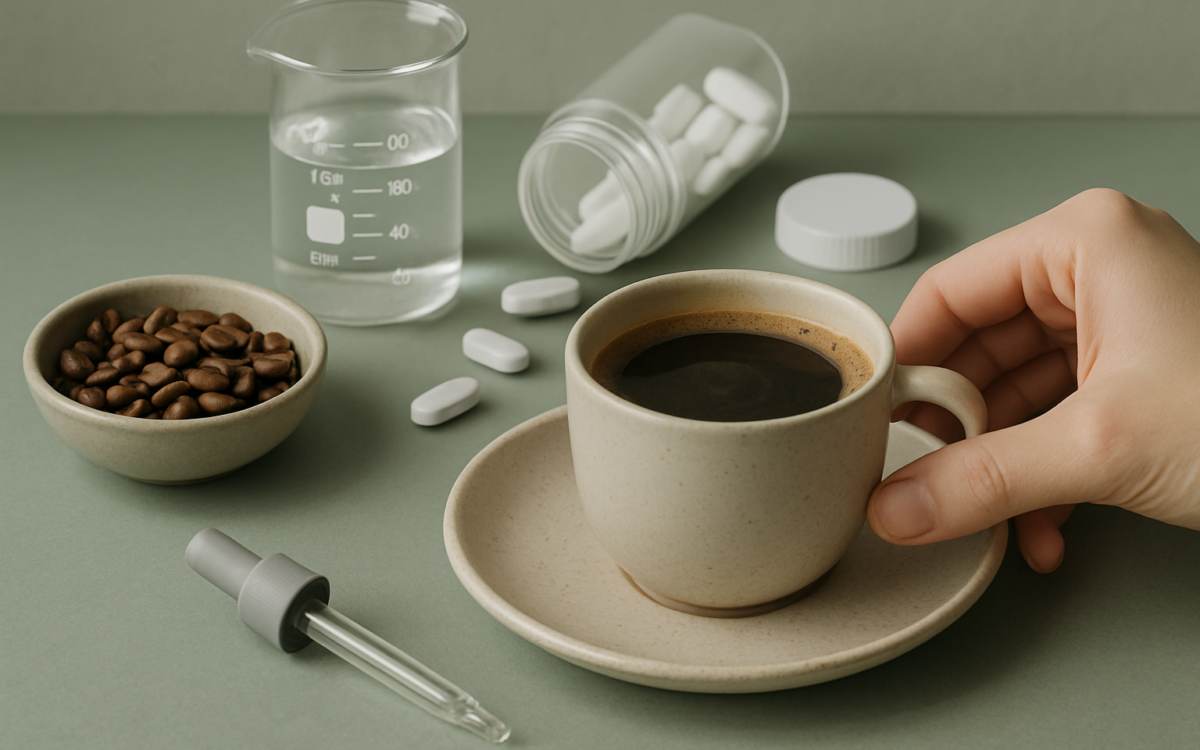
Coffee lovers often face a dilemma: enjoy the rich flavors of coffee or cut back on caffeine. Fortunately, decaffeinated coffee offers a compelling solution. But just how much caffeine does it contain? In this article, we’ll unravel the science behind decaf coffee and answer all your burning questions.
What is Decaf Coffee?
Decaf coffee, often referred to as decaffeinated coffee, is made from coffee beans that have had most of their caffeine removed. The decaffeination process typically involves steaming the beans and then using a solvent—either chemical or water-based—to extract the caffeine. The goal is to reduce the caffeine content while preserving the coffee’s flavor and aroma.
How Much Caffeine is in Decaf Coffee?
Despite its name, decaf coffee is not completely caffeine-free. According to the National Institutes of Health, an 8-ounce cup of decaf coffee usually contains about 2-15 milligrams of caffeine, depending on various factors like the brand and brewing method. In contrast, a regular cup of coffee can have 95-200 milligrams of caffeine.
Factors Influencing Caffeine Content
Several factors can affect the caffeine levels in decaf coffee:
- Type of Coffee Bean: Different coffee beans have varying levels of caffeine. Arabica beans, for instance, typically contain less caffeine than Robusta beans.
- Decaffeination Process: Some methods may leave more caffeine than others. For example, the Swiss Water Process often retains less caffeine compared to solvent-based methods.
- Brewing Time: The longer you brew coffee, the more caffeine it may retain. However, since decaf coffee has less caffeine to begin with, the difference is minimal.
Health Effects of Decaf Coffee
Caffeine sensitivity varies among individuals. For some, consuming a small amount of caffeine can lead to restlessness or anxiety. For others, a little caffeine might not pose a problem. A World Health Organization report indicates that for most people, moderate coffee consumption is considered safe and may even offer health benefits, such as reduced risk of certain diseases.
With decaf coffee, individuals who are sensitive to caffeine can still enjoy the taste and experience of coffee without the side effects commonly associated with caffeine consumption.
When to Choose Decaf Coffee
Decaf coffee can be a great choice for:
- Individuals sensitive to caffeine who want to avoid its stimulating effects.
- Pregnant women, as high caffeine intake can be a concern during pregnancy.
- Those looking to reduce their overall caffeine consumption for health reasons.
Always listen to your body. If you notice that decaf coffee still makes you feel jittery, it may be worth consulting your doctor for personalized advice.
Common Myths About Decaf Coffee
There are several myths surrounding decaf coffee that can lead to confusion. Here are a few:
- Decaf is 100% caffeine-free: As mentioned earlier, decaf still contains traces of caffeine, typically 2-15 milligrams.
- All decaf coffee is the same: Different brands and brewing methods can yield varying caffeine levels.
- Decaf contains no health benefits: Studies show decaf coffee may have similar health benefits to regular coffee, including potential protective effects for liver health.
When to See a Doctor
If you experience unusual symptoms after consuming decaf coffee, such as anxiety, heart palpitations, or any other concerning health changes, it’s important to consult a healthcare professional. They can help determine if you should adjust your coffee consumption or explore other underlying issues.
Conclusion
Decaf coffee is a delightful option for many, allowing you to enjoy the rich flavors of coffee while minimizing caffeine’s side effects. Remember, while decaf isn’t entirely caffeine-free, its lower levels can make it suitable for those who are sensitive to caffeine or looking to cut back. Whether you’re a lifelong coffee drinker or just starting, decaf coffee provides a flavorful alternative that can fit your lifestyle.
