
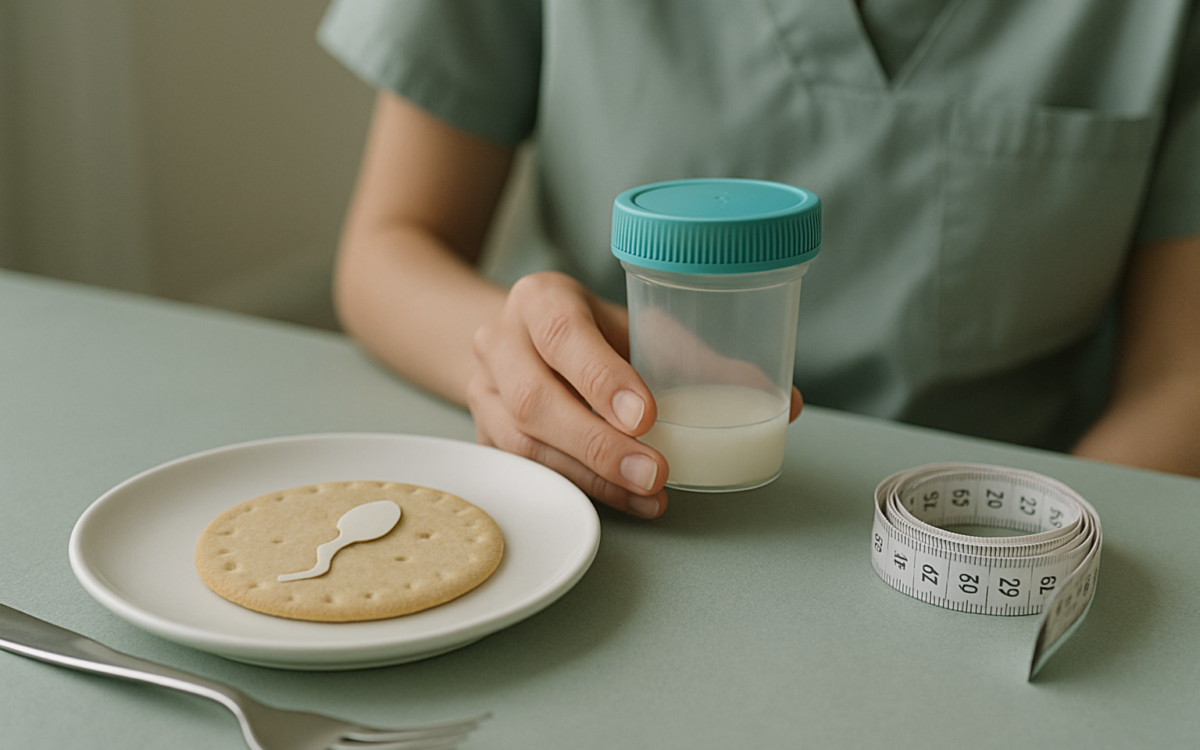
When it comes to understanding the human body, many people have curious questions, including some that may surprise you. One such question is about the caloric content of sperm. What exactly is in sperm, how many calories does it contain, and why is this information valuable? This article delves into the nutritional aspects of sperm, its composition, and what it means for men’s health.
The Basics of Sperm Composition
Sperm is not just a singular entity; it is composed of various components that contribute to its overall health and function. A typical sperm cell consists of a head, midpiece, and tail. Aside from the sperm cells themselves, seminal fluid, which is a major part of ejaculate, also includes important nutrients.
- Water: The largest component of semen, making up about 90% of its content.
- Sperm cells: The actual reproductive cells, which are estimated to account for about 1% of semen volume.
- Fructose: This sugar provides energy to sperm cells, aiding in their mobility.
- Proteins: Various proteins contribute to the structure and function of seminal fluid.
- Vitamins and Minerals: Sperm contains trace amounts of vitamins and minerals, including zinc, selenium, and vitamin C.
How Many Calories Are in Sperm?
While it may seem trivial, the caloric content of sperm is a fascinating topic. On average, a single ejaculation of semen can contain around 100 million to 300 million sperm cells and approximately 3 to 5 milliliters of fluid. Regarding calories, research suggests that a single ejaculation contains about 5 to 7 calories. This means that while sperm itself may not yield significant energy, the combination with seminal fluid does provide a small caloric value.
Why Knowing This Matters
Understanding the caloric content of sperm can be beneficial for various reasons. For instance, it may help individuals understand the biological processes that take place during ejaculation. While the calorie count is negligible in terms of dietary intake, it adds to the narrative about male fertility and reproductive health.
Furthermore, exploring the health and nutritional composition of sperm can reflect an individual’s overall health. Factors such as diet, lifestyle, and stress levels can influence sperm quality and quantity. Maintaining a balanced diet rich in essential nutrients can help improve reproductive health.
What Affects Sperm Quality?
While the caloric content of sperm is a minor aspect, the quality of sperm is significantly influenced by a range of lifestyle and health factors. Understanding these can aid in improving male reproductive health:
- Diet: Consuming a balanced diet that includes fruits, vegetables, whole grains, and lean proteins can contribute to healthier sperm.
- Exercise: Regular physical activity can improve testosterone levels and overall health, positively impacting sperm production.
- Avoiding Toxins: Exposure to chemicals, pollutants, and heavy metals can negatively affect sperm quality.
- Stress Management: High stress levels can disrupt hormone balance, impacting sperm production.
Common Myths About Sperm and Calories
There are many myths surrounding sperm, including its caloric content and health effects. Let’s clarify a few misconceptions:
- Myth: Sperm is just a fluid with no nutritional value. In reality, seminal fluid contains essential nutrients that can influence both reproductive health and fertility.
- Myth: Sperm consumption has significant caloric value. As mentioned, the caloric content is minimal, and one would not gain meaningful energy from it.
- Myth: Eating sperm can boost fertility. The nutritional benefits of seminal fluid are not sufficient to enhance fertility; lifestyle choices play a much more significant role.
When to See a Doctor
If you have concerns about your reproductive health, including questions about sperm quality or quantity, it is always wise to consult a healthcare professional. Signs that you should seek medical advice include:
- Difficulty conceiving after a year of trying (or six months if you are over 35).
- Changes in sexual function, such as erectile dysfunction.
- Signs of hormonal imbalances, such as changes in body hair or mood fluctuations.
Conclusion
Understanding how many calories are in sperm is not just a quirky fact; it opens the door to a broader conversation about men’s health, reproductive health, and the factors that influence sperm quality. Eating a balanced diet, managing stress, and leading a healthy lifestyle are essential components of maintaining reproductive health. If you have any concerns or questions, don’t hesitate to speak with your healthcare provider for personalized advice.
