
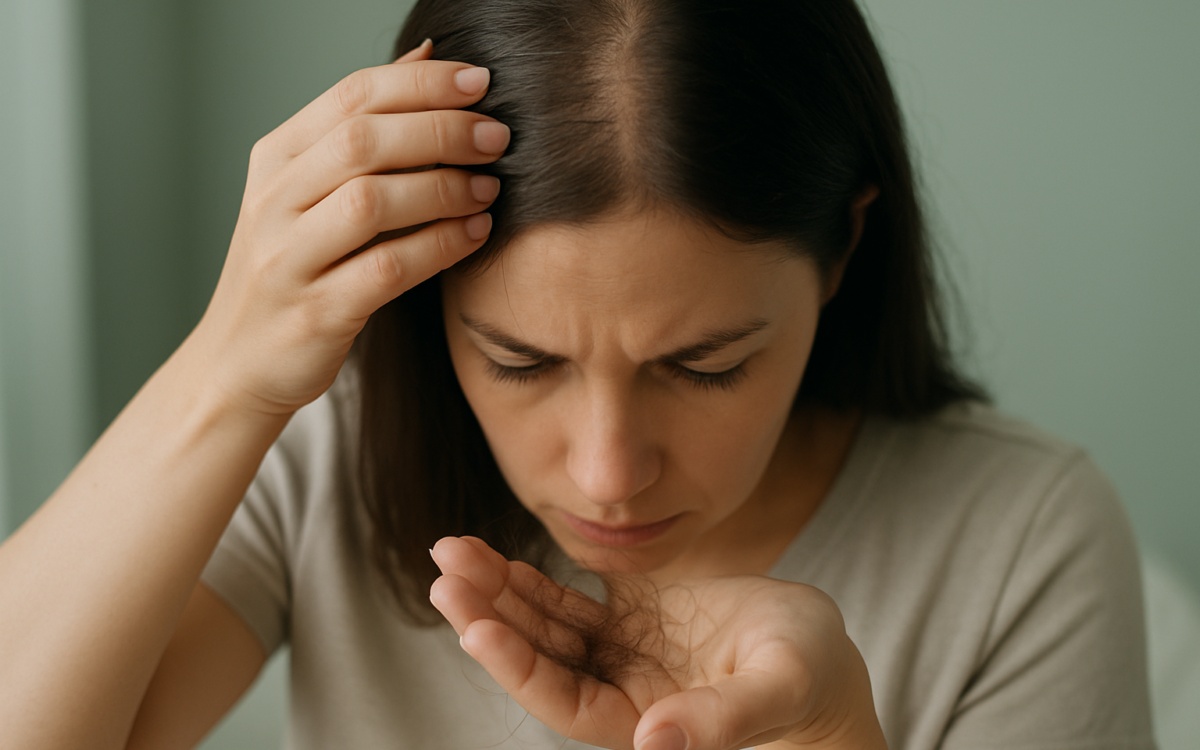
Many people experience hair fall at some point in their lives. While some shedding is normal, understanding the reasons behind excessive hair loss can be essential for maintaining not just your hair but also your overall health. In this article, we will explore the diverse causes of hair fall, helping you identify potential contributors and when it might be time to seek professional advice.
Genetic Factors
One of the primary reasons for hair fall is genetic predisposition. Hereditary hair loss, or androgenetic alopecia, can affect both men and women. In men, this condition is typically characterized by a receding hairline and thinning on the crown of the head. In women, it often leads to overall thinning, especially at the part line. According to the NIH, about 30% of men experience some degree of hair loss by the age of 30, and that number increases with age.
Hormonal Changes
Hormones play a significant role in regulating various body functions, including hair growth. Changes in hormone levels due to conditions like pregnancy, menopause, or thyroid disorders can lead to hair fall. For instance, during pregnancy, women experience a surge in estrogen, which may temporarily reduce hair loss. However, after giving birth, estrogen levels drop, leading to increased shedding. The CDC notes that thyroid dysfunction, common among women, can also result in hair thinning.
Medical Conditions
Numerous medical conditions can contribute to hair fall. Conditions such as alopecia areata, an autoimmune disorder causing sudden hair loss in patches, can be distressing. Scalp infections like ringworm can also lead to hair loss. Other conditions, like lupus or various types of dermatitis, may involve skin inflammation that affects hair follicles. The Mayo Clinic suggests that if you notice sudden or patchy hair loss, it’s important to consult a healthcare provider for a proper diagnosis.
Stress and Lifestyle Factors
Chronic stress is another common factor that can trigger hair fall. In stressful periods, you may experience a condition known as telogen effluvium, where a larger number of hair follicles enter the resting phase, leading to more hair falling out. Aside from stress, lifestyle choices such as poor diet, lack of sleep, and smoking can contribute to hair health issues. Nutrition is particularly crucial; deficiencies in vitamins and minerals such as iron, vitamin D, and certain B vitamins have been linked to hair fall.
Medications and Treatments
Certain medications can have side effects that include hair loss. Drugs used for treating cancer, arthritis, depression, heart problems, and high blood pressure may contribute to hair thinning. If you suspect your medication is causing hair fall, it’s advisable to discuss this with your healthcare provider to explore potential alternatives. Be sure to never discontinue any medication without professional guidance.
Hair Care Practices
Your daily hair care routine can also play a role in hair fall. Over-styling, frequent use of heat tools, and harsh chemical treatments can weaken hair, making it more prone to breakage and fall. It’s important to treat your hair gently, use suitable products, and limit excessive styling or treatments that can cause damage. A well-rounded hair care routine can help maintain healthy hair and reduce the risk of hair loss.
When to See a Doctor
If you are experiencing significant hair loss, or if hair fall is accompanied by other symptoms like scalp itching, redness, or skin changes, it’s important to seek medical advice. A healthcare provider can help determine the underlying cause and suggest appropriate treatments or lifestyle changes. Early intervention can make a meaningful difference in managing hair fall.
In conclusion, understanding the various causes of hair fall can empower you to take steps to protect your hair and overall health. From genetic to lifestyle factors, a host of elements play a role in hair loss. If you are concerned about hair fall, consider reaching out to your healthcare provider to explore potential solutions.
