
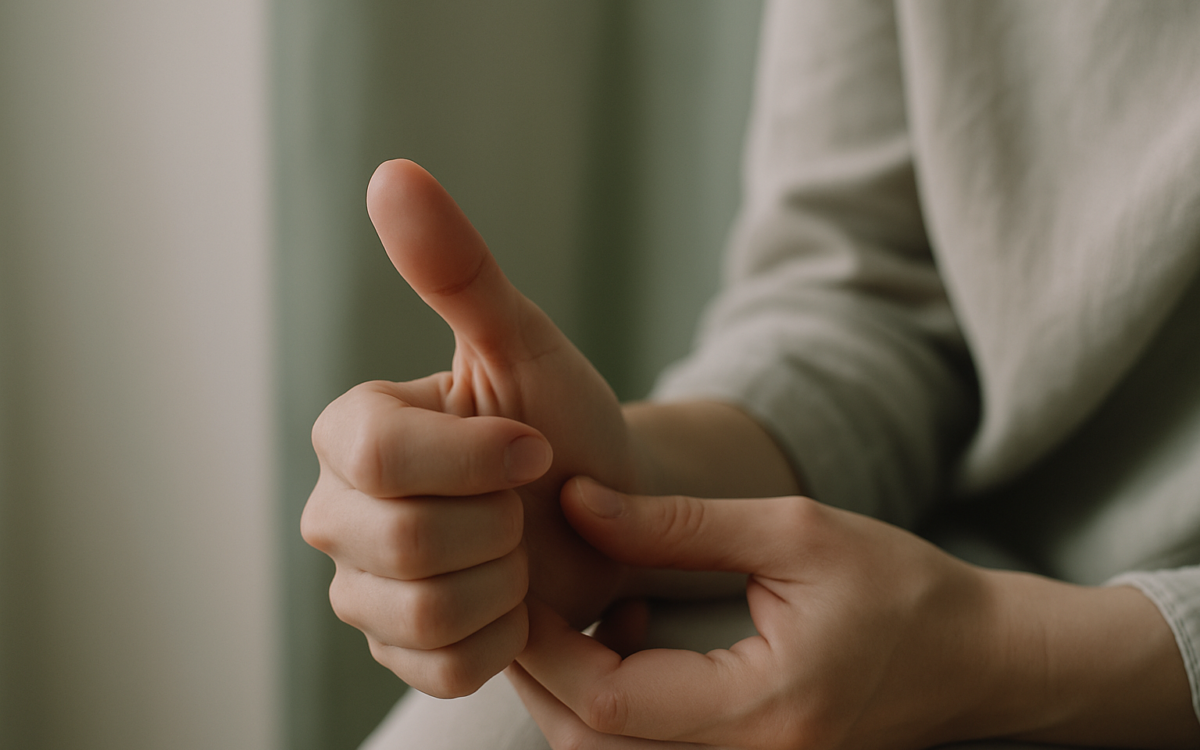
Thumb twitching can feel unusual, often leaving you wondering what’s going on with your body. While it may be harmless at times, it can also signal underlying issues. Understanding the causes of this little quirk can help you address any concerns and improve your quality of life.
What Is Thumb Twitching?
Thumb twitching is a type of involuntary muscle movement that can occur suddenly and without warning. It can happen to anyone, but it’s usually more noticeable in high-use areas like the hands. This twitching may be accompanied by a range of sensations, from slight tingling to mild discomfort.
Common Causes of Thumb Twitching
Several factors can cause your thumb to twitch, ranging from benign to more serious. Here are some common reasons you might experience this involuntary movement:
- Stress and Anxiety: Emotional stress can manifest physically, especially as muscle tension. Your thumb might twitch when you’re feeling anxious or overwhelmed.
- Fatigue: Chronic fatigue, especially from overuse of your muscles, can lead to twitching. If you spend long hours typing or doing tasks that require fine motor skills, your muscles may react with spasms.
- Caffeine Intake: Consuming excessive caffeine can stimulate your nervous system, leading to muscle twitching. If you notice twitches after a cup (or several) of coffee, consider cutting back.
- Nutritional Deficiencies: Deficiencies in essential nutrients like magnesium, potassium, or calcium can affect muscle function. A lack of these nutrients can lead to spasms or twitching.
- Medication Side Effects: Some medications may list muscle twitching as a potential side effect. Check with your prescribing doctor if you suspect this may apply to you.
- Neurological Conditions: In rare cases, underlying neurological conditions such as multiple sclerosis or Parkinson’s disease can cause consistent muscle twitching. If finger twitching is persistent, you may want to discuss this with a healthcare provider.
When Stress Is the Culprit
When stress and anxiety trigger thumb twitching, your body is responding to emotional states. Understanding the relationship between mental health and physical symptoms can be helpful. You might find that practices like mindfulness, meditation, or relaxation techniques reduce these tics. Taking breaks during high-stress work hours can also relieve muscle tension.
The Role of Lifestyle Factors
Your daily habits play a significant role in how your body functions. Here are some lifestyle factors to consider:
- Hydration: Dehydration can lead to muscle cramping and twitching. Make sure to drink enough water throughout the day.
- Sleep Quality: Poor sleep can increase fatigue and make your muscles more prone to spasm. Ensure you’re getting adequate rest.
- Ergonomics: Improperly positioned hands while typing or using a phone can lead to muscle strain. Adjusting your posture and workstation can help.
When to Seek Medical Attention
Most cases of thumb twitching resolve on their own. However, you should consult a healthcare professional if:
- The twitching lasts for an extended period (more than a few weeks).
- You notice additional symptoms, such as pain, weakness, or loss of coordination.
- The twitching spreads to other parts of your body.
These could be signs of a more serious condition that requires further investigation. A doctor can assess your symptoms, take a history, and potentially recommend tests to rule out neurological disorders or other health issues.
Conclusion
Thumb twitching is often harmless and can arise from various factors, ranging from stress to nutritional deficiencies. Paying attention to your body and lifestyle can help minimize these occurrences. If you find that the twitching persists or worsens, consult a healthcare professional for guidance. Be mindful of your health, allocate time for relaxation, and maintain a balanced diet to support your overall well-being. For more information on muscle twitching and related health topics, visit the National Institutes of Health and other reputable health resources.
