
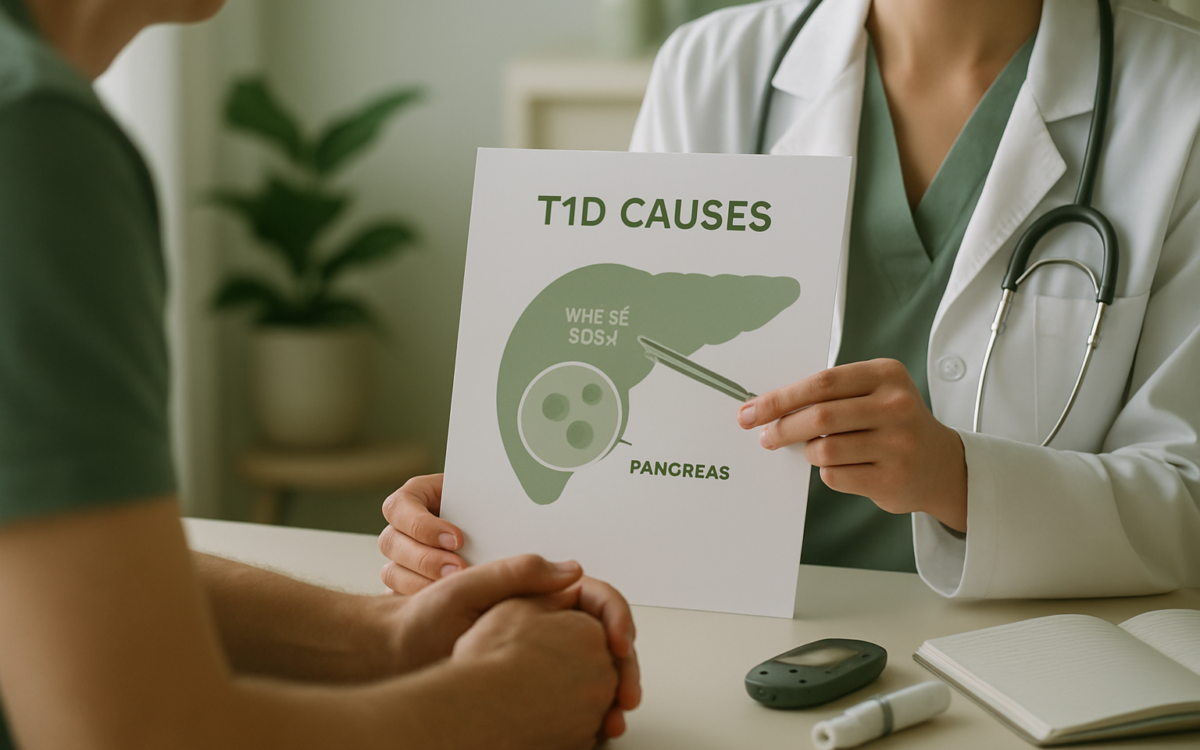
Type 1 diabetes (T1D) is a chronic condition that affects how your body metabolizes sugar, leading to high sugar levels in the blood. Unlike type 2 diabetes, which is often related to lifestyle factors, T1D is primarily an autoimmune disease. Understanding the causes of T1D can help illuminate its complexity and why it develops in some people while leaving others unaffected.
What is Type 1 Diabetes?
Before we explore the causes of T1D, it’s important to understand what this condition entails. T1D occurs when the immune system mistakenly attacks and destroys insulin-producing beta cells in the pancreas. Insulin is critical for regulating blood sugar levels, and when these cells are damaged or destroyed, the body can no longer produce insulin effectively. As a result, people with T1D must manage their blood sugar through insulin injections or an insulin pump.
Genetic Factors
Research suggests that genetics play a significant role in the development of T1D. While having a family history of diabetes does not guarantee that an individual will develop the condition, certain genes have been identified that increase the risk. According to studies from the National Institutes of Health (NIH), variations in genes related to the immune system may predispose some individuals to T1D.
It’s estimated that approximately 10% of T1D cases occur in individuals without a family history of the disease, indicating that genetics is only part of the puzzle. The complex interplay between multiple genes may contribute to a person’s susceptibility.
Environmental Triggers
In addition to genetic predisposition, environmental factors are thought to influence the onset of T1D. Some studies have shown that certain viral infections may trigger autoimmune reactions that lead to beta-cell destruction. For instance, viruses such as Coxsackievirus B and cytomegalovirus have been implicated in the onset of T1D, though more research is needed to establish a definitive link.
Other Environmental Influences
Several other environmental factors may also play a role in the development of Type 1 Diabetes:
- Geography: T1D prevalence varies widely by region, with higher rates seen in northern Europe compared to other parts of the world.
- Diet: Some studies suggest that early exposure to certain foods, such as cow’s milk, may be linked to an increased risk of T1D.
- Vitamin D deficiency: Low levels of vitamin D may also be associated with an increased risk, although the exact relationship is still being explored.
Autoimmune System Dysfunction
T1D is classified as an autoimmune disease, meaning that the body’s immune system mistakenly attacks healthy cells. In the case of T1D, this results in the destruction of insulin-producing cells in the pancreas. The exact cause of this autoimmune response isn’t fully understood, but it involves a combination of genetic susceptibility and environmental triggers that disrupt normal immune function.
In a person with T1D, T-cells, which play a vital role in immune response, mistakenly target and attack beta cells in the pancreas. This situation leads to decreased insulin production and, ultimately, hyperglycemia (high blood sugar levels).
The Role of Gut Health
Emerging research suggests that gut health may also influence the development of T1D. The gut microbiome, which consists of trillions of microorganisms residing in our intestines, plays a critical role in immune function and inflammation. Some studies indicate that an imbalance in gut bacteria may contribute to autoimmune diseases, including T1D.
Observations have shown that children who develop T1D tend to have different gut microbiota compared to those who do not. While this area of research is still developing, it’s an exciting frontier in understanding the multifaceted causes of T1D.
Ongoing Research
Research into the causes of Type 1 Diabetes is ongoing, with scientists striving to unlock the remaining mysteries. Many initiatives are aimed at understanding possible prevention strategies as well as treatments that could halt or reverse the autoimmune attack on beta cells.
For instance, clinical trials are exploring the use of immunotherapy, which aims to retrain the immune system and prevent the destruction of insulin-producing cells. Groups like the World Health Organization (WHO) support research into improving the understanding and treatment of diabetes globally.
When to See a Doctor
If you or someone in your family is experiencing symptoms such as increased thirst, frequent urination, extreme hunger, fatigue, or blurred vision, it is important to consult a healthcare professional. Early diagnosis and management are essential in controlling Type 1 Diabetes effectively.
Conclusion
Understanding the causes of Type 1 Diabetes is crucial for both individuals and families facing this diagnosis. While genetics and environmental factors contribute to the onset of this condition, the interplay between these elements remains complex and multifaceted. Ongoing research continues to explore these relationships, aiming to provide better prevention and treatment options. Being informed about T1D can empower those affected and help foster awareness, support, and care.
