
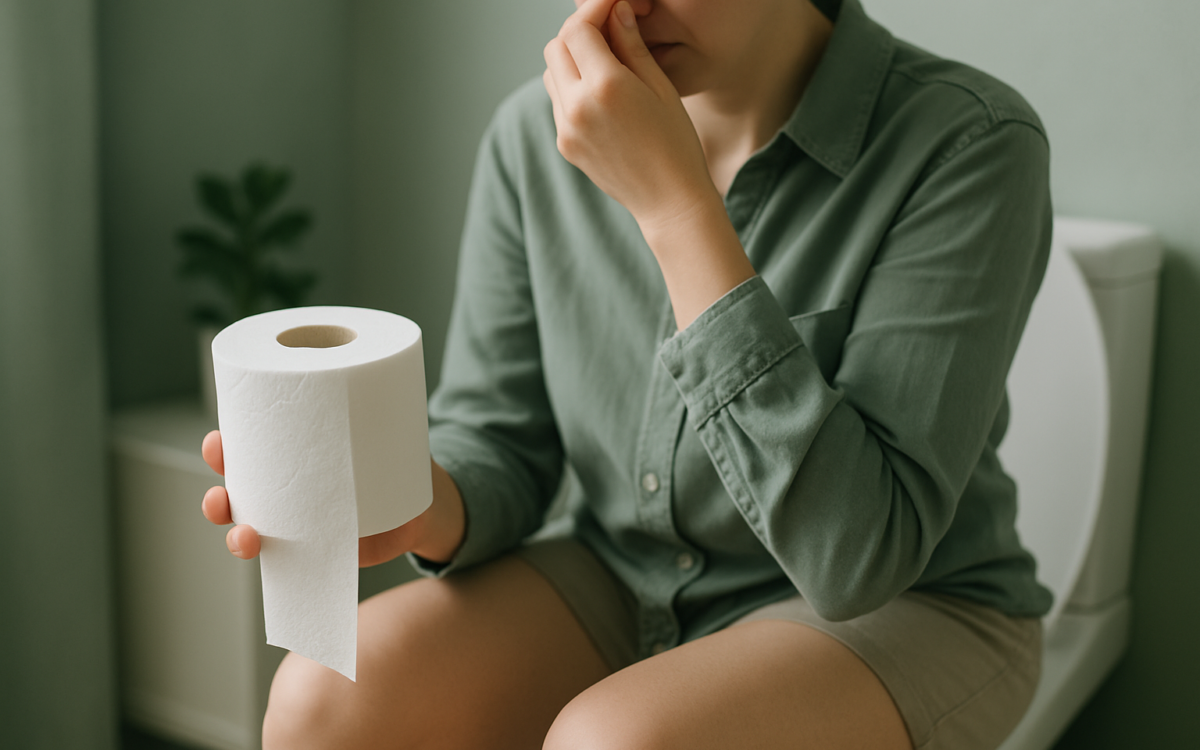
Most of us don’t often discuss our poop, but it can tell us a lot about our health. If you’ve recently found yourself asking, “Why does my poop smell so bad?” you’re not alone. Bad-smelling stool can be unpleasant—not to mention embarrassing—but it’s also a sign that something may be going on inside your body. Let’s explore the common causes and what they might mean for your health.
What Causes Bad Smelling Stool?
There are several reasons your stool may have an unpleasant odor. Here are some of the most common factors:
Dietary Choices
Your diet plays a significant role in how your poop smells. Certain foods are notorious for causing strong odors:
- High-sulfur foods: Foods like eggs, garlic, and cruciferous vegetables (like broccoli and cabbage) can lead to foul-smelling stool due to the sulfur compounds they contain.
- Dairy products: If you are lactose intolerant, consuming dairy can cause gas and stinky stools.
- Processed Foods: Foods high in sugars and unhealthy fats can upset your gut bacteria and lead to changes in stool odor.
Gut Health and Bacterial Imbalances
Your gut is home to a vast community of bacteria that help digest food. An imbalance of these bacteria can lead to digestive issues and increased stool odor. Conditions like irritable bowel syndrome (IBS) or infections can cause changes in your gut flora.
Some studies suggest that a healthy balance of gut bacteria is essential for optimal digestion and could prevent foul-smelling stool. Maintaining a diet rich in fiber can promote good bacteria and overall digestive health (source: NIH).
Digestive Disorders
Several digestive disorders can lead to especially foul-smelling stool:
- Celiac Disease: This autoimmune disorder can cause severe reactions to gluten, affecting digestion and leading to a particularly foul odor.
- Crohn’s Disease: This inflammatory bowel disease can disrupt normal digestive processes and lead to bad-smelling stools.
- Infections: Bacterial infections, such as Salmonella or Clostridium difficile (C. diff), can alter digestion and cause drastically foul-smelling stools.
Why Is Smelly Poop Sometimes Normal?
While foul-smelling poop can be alarming, it’s helpful to understand that some variations in stool odor can be normal. After all, everyone’s digestive system is unique. For instance, if you’ve recently changed your diet or eaten a particularly pungent meal, you might notice a temporary increase in odor.
However, if the smell persists despite dietary adjustments, or if it’s accompanied by other symptoms like weight loss or diarrhea, it’s time to consult a healthcare provider.
When to Consider International Treatment Options
In some instances, particularly when persistent digestive issues arise, patients may consider traveling for specialized care. Many patients report positive outcomes from seeking treatment in Turkey, where several reputable clinics focus on digestive health. If you’re facing persistent gut issues that aren’t resolving, exploring options for treatment in Turkey may be a worthwhile consideration.
When to See a Doctor
In most cases, bad-smelling poop is not a cause for alarm, but there are specific signs to watch out for:
- Stool that is consistently foul-smelling for more than a few days
- Associated symptoms like abdominal pain, cramping, or bloating
- Extreme changes in bowel habits, including diarrhea or constipation
- Unintended weight loss or fatigue
If you notice any of these symptoms, it’s essential to consult a doctor for a thorough evaluation. They may recommend tests to determine if there’s an underlying issue affecting your digestive health (source: CDC). Early diagnosis can lead to more effective treatment options and better outcomes.
Conclusion
The occasional change in stool odor is generally nothing to worry about. However, being aware of your body and any significant changes can help you address potential issues early. If you’re ever in doubt or if foul-smelling stool becomes a persistent problem, don’t hesitate to reach out to a healthcare professional for guidance.
