
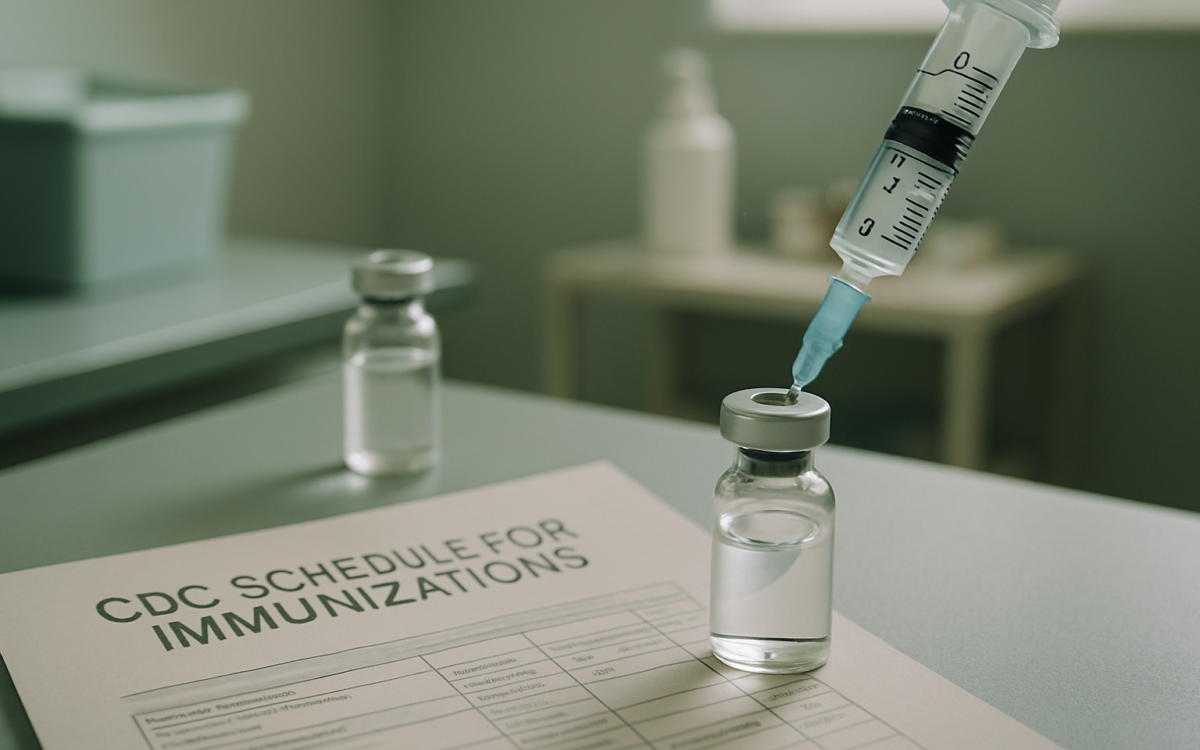
Vaccinations play a crucial role in keeping our communities healthy. They help protect individuals from serious diseases that can have devastating consequences. The Centers for Disease Control and Prevention (CDC) provides a well-researched immunization schedule to guide healthcare providers and families in ensuring timely vaccination. In this article, we will explore the CDC’s immunization schedule, the importance of vaccines, and what you need to know to keep your family safe.
What Is the CDC Immunization Schedule?
The CDC immunization schedule is a guideline that outlines the recommended vaccines for individuals of all ages, from newborns to adults. It is updated annually based on the latest scientific research to ensure that vaccinations are effective and safe.
The schedule includes:
- Childhood vaccinations, typically given before the age of 18
- Vaccines for adolescents and teenagers
- Recommended immunizations for adults, including pregnant women
These recommendations help manage the risk of vaccine-preventable diseases and are adapted based on age, health conditions, and any previous vaccinations.
Why Are Vaccines Important?
Vaccines are one of the most effective ways to prevent diseases that can cause serious illness or death. When a large portion of the population gets vaccinated, it leads to herd immunity, which protects those who cannot be vaccinated, such as infants, pregnant women, or individuals with certain health conditions.
Below are some key benefits of vaccines:
- Prevents outbreaks: Vaccination reduces the spread of contagious diseases.
- Protects vulnerable populations: Vaccines can shield those who are at higher risk of complications.
- Contributes to community health: Widespread immunization decreases healthcare costs related to disease treatment.
In 2020, the World Health Organization reported that vaccines saved an estimated 2 to 3 million lives each year, reiterating their crucial role in public health (source).
Breaking Down the Vaccination Schedule
The immunization schedule is divided into several key age groups, with specific vaccines recommended for each stage of life:
Birth to 18 Years
During the early years of life, several vaccines are given to protect against diseases such as measles, mumps, rubella, and whooping cough. Newborns typically receive:
- Hepatitis B vaccine
- Diphtheria, tetanus, and pertussis (DTaP)
- Haemophilus influenzae type b (Hib)
- Polio vaccine (IPV)
- Influenza vaccine (yearly, starting at 6 months)
As children grow, vaccines for other diseases are administered, including the HPV vaccine and meningococcal conjugate vaccines during adolescence.
Adults and Seniors
As adults age, the focus shifts to maintaining immunity against previously contracted diseases and protecting against new threats. Recommended vaccines for adults include:
- Tetanus, diphtheria, and pertussis (Tdap) every 10 years
- Influenza vaccine annually
- Shingles vaccine for those over 50
- Pneumococcal vaccines for those over 65
Consult with your healthcare provider to ensure you are up-to-date on all recommended vaccines as you age.
Common Misconceptions About Vaccines
Despite the overwhelming evidence supporting the safety and efficacy of vaccines, there are still many misconceptions that discourage people from getting vaccinated:
- Vaccines can cause the diseases they protect against: This is false. Vaccines contain non-active components that prepare the immune system without causing the disease.
- Vaccines are only necessary for children: Adults also require vaccinations to maintain immunity and protect their health.
- The number of vaccines is overwhelming: Vaccines are scheduled for specific ages to optimize immunity and make the process manageable.
Separating fact from fiction can be vital in making informed decisions about vaccinations.
When to Consult Your Doctor
While the CDC immunization schedule provides guidance, it’s essential to speak with your healthcare provider about your or your child’s vaccination needs. You should consult a doctor if:
- You have concerns about vaccine safety or allergies.
- You or your child are behind on vaccines and need to catch up.
- You have specific health conditions that might require special considerations for vaccinations.
Always keep an open line of communication with your healthcare provider to ensure that vaccination schedules align with personal health needs.
Conclusion
The CDC immunization schedule is a fundamental tool for ensuring the health and safety of individuals and communities. Vaccines can save lives, prevent outbreaks, and contribute significantly to public health efforts. Stay informed, consult your healthcare provider, and ensure you and your loved ones are protected through proper vaccination. Together, we can maintain a healthier future for everyone.
